Introduction: Geopolitical Flames Reignite Oil Market Volatility
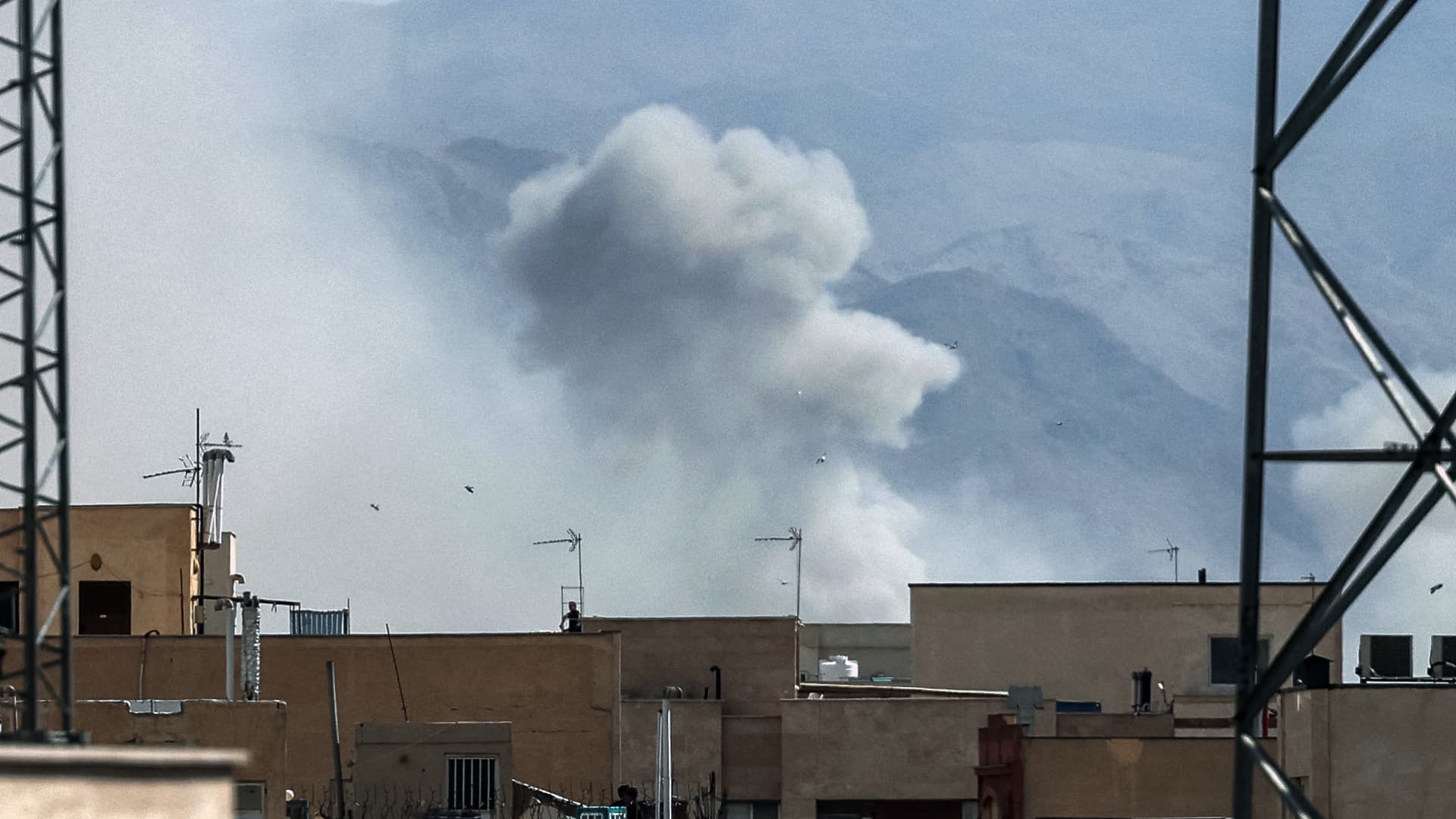
The global oil market is once again navigating treacherous geopolitical waters following confirmation of significant U.S. military operations in Iran. This latest escalation, targeting key governmental ministries in Tehran, marks a profound shift from recent regional flare-ups and has immediately injected a fresh wave of uncertainty into crude prices. Unlike prior events that often saw muted reactions, this direct engagement carries far greater potential for disruption, compelling investors to re-evaluate their risk exposures and strategic positions in an already volatile energy landscape. OilMarketCap.com’s proprietary data pipelines reveal immediate investor concern, underscoring the gravity of this development for global supply chains and commodity pricing.
The Strait of Hormuz: A Chokepoint Under Renewed Scrutiny
The primary concern for energy investors today revolves around the Strait of Hormuz, a critical maritime artery connecting the Persian Gulf to the open ocean. This narrow passage is not merely a shipping lane; it is a global economic lifeline, through which approximately 13 million barrels of crude oil transited in 2025, accounting for roughly 31% of the world’s seaborne crude flows. Previous geopolitical incidents, such as the U.S. administration’s capture of Venezuela’s former President Nicolás Maduro, were largely “production stories” affecting specific heavy crude grades. Venezuela, for instance, currently produces around 800,000 barrels per day, a stark contrast to its peak of 3.5 million bpd in the 1990s. The situation in Iran, however, presents a direct “chokepoint story,” threatening the transit of a far larger volume of diversified crude supplies. While markets have previously demonstrated resilience, as seen in June 2025 when initial sell-offs after Israeli strikes on Iranian nuclear sites quickly reversed once the Strait’s integrity was confirmed, the current direct engagement by U.S. forces raises the stakes considerably. The immediate focus for investors is on any potential Iranian response that could impact the Strait, making robust risk management paramount.
Market Data Speaks: Initial Reactions and Underlying Trends
The initial market reaction to the escalating tensions has been palpable, yet it comes against a backdrop of recent price corrections. As of today, Brent Crude trades at $93.92 per barrel, marking a modest +0.73% gain within a daily range of $93.52 to $94.21. Similarly, WTI Crude stands at $90.48, up +0.9% within its $89.71-$90.7 daily range, while Gasoline prices hold steady at $3.13. These immediate upticks reflect the market’s initial jitters, but it’s crucial to contextualize them within the broader trend. Over the past 14 days, Brent Crude experienced a significant downward trajectory, plummeting from $118.35 on March 31st to $94.86 on April 20th – a substantial decline of $23.49 or nearly 20%. This prior correction means that while the current geopolitical event is undeniably serious, crude prices are reacting from a lower base than they might have a few weeks ago. Investors are keenly watching if this new geopolitical risk will reverse the recent bearish trend or merely stabilize prices at current levels, with any further escalation having the potential to trigger a more violent upward swing as analysts have suggested.
Navigating Near-Term Volatility: Addressing Investor Concerns
OilMarketCap.com’s reader intent data highlights a common thread among investors this week: a palpable uncertainty regarding immediate price direction. Questions like “is WTI going up or down?” and inquiries about specific company performance underscore the scramble for clarity. In the short term, the prevailing sentiment points towards a “risk-off” environment. This typically translates to a flight to safety, strengthening traditional havens like the U.S. dollar and gold, while equities may face selling pressure. For oil, the immediate outlook is for upward pressure, potentially in the range of 5% to 10% in the immediate aftermath, assuming no direct disruption to the Strait of Hormuz. However, the magnitude and duration of any rally will hinge entirely on the nature of Iran’s response. Investors are strongly advised against making “hero bets” and instead to adopt a cautious stance, waiting for clearer signals regarding the scope and intent of retaliatory actions, if any. The risk of a prolonged engagement versus a contained, short campaign will dictate whether the current price jitters evolve into a sustained market re-pricing or a temporary blip.
Forward Outlook: Key Events Shaping the Path Ahead
Beyond the immediate geopolitical fallout, several critical events on the energy calendar will significantly influence oil price trajectories in the coming weeks. The OPEC+ Joint Ministerial Monitoring Committee (JMMC) Meeting scheduled for tomorrow, April 22nd, takes on heightened importance. Against the backdrop of escalating Mideast tensions, the alliance’s assessment of global supply and demand dynamics, and any hints about future production policy, will be scrutinized for their impact on market stability. Following closely, the EIA Weekly Petroleum Status Reports on April 23rd and April 30th will provide crucial insights into U.S. crude inventories, refining activity, and demand indicators, offering a domestic perspective on global supply-demand balances. The Baker Hughes Rig Counts on April 25th and May 2nd will shed light on North American production trends, while the API Weekly Crude Inventory reports on April 29th and May 6th offer an early look at U.S. stock levels. Finally, the EIA Short-Term Energy Outlook on May 3rd will deliver comprehensive projections for the coming months, factoring in all known variables, including the recent geopolitical developments. Investors should closely monitor these data releases, as they will provide essential context and potentially mitigate or exacerbate the market’s reaction to the ongoing situation in the Middle East, offering clues to the “oil price per barrel by end of 2026” that many readers are inquiring about.