Geopolitical Tensions Reignite Oil Market Volatility: An Investor’s Compass
The global oil markets are once again gripped by a familiar specter: escalating geopolitical risk. For investors navigating the complex currents of energy commodities, the past year has been a masterclass in adapting to uncertainty, often masked by euphemisms for unpredictable policy shifts. However, the current landscape presents a more traditional, yet no less potent, threat: a deepening conflict in the Middle East, directly imperiling global crude oil supplies and sending ripples through financial portfolios.
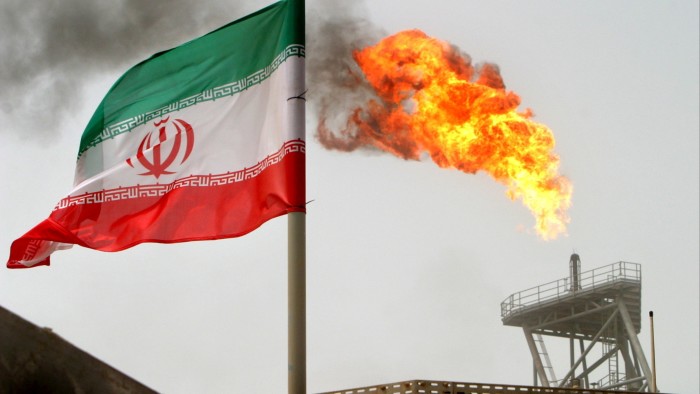
Recent developments have vividly illustrated this dynamic. Following initial reports of Israeli strikes on Iranian nuclear facilities, crude oil prices surged by as much as 12 percent. The situation intensified further over a critical weekend as Israel reportedly targeted a major oil terminal in Tehran, among other sites. Iran, a significant player in the global energy arena, produces approximately 3.3 million barrels per day (bpd) of crude, with about 2 million bpd earmarked for export. While global oil demand, as estimated by the International Energy Agency, stands at a robust 103.9 million bpd, and key producers like Saudi Arabia and the UAE possess over 3.5 million bpd in readily deployable spare capacity, the market’s initial reaction underscored broader anxieties. Investors are not merely pricing in a potential disruption to Iranian output; they are weighing the critical risk of the conflict widening, potentially leading to Tehran’s attempts to blockade the vital Strait of Hormuz or launch attacks on neighboring oil infrastructure, which would have far more severe consequences for global supply chains.
Historical Precedent: Beyond the Initial Price Shock
Understanding the intricate relationship between geopolitical events, crude oil prices, and macroeconomic trends is crucial for informed investment decisions. Historical data consistently reveals that the immediate market response to such shocks can be misleadingly dramatic. Research published by the European Central Bank in 2023 offers valuable insights into these patterns. Consider the aftermath of the 9/11 terrorist attacks in New York: Brent crude prices initially jumped by 5 percent as markets anticipated potential Middle East supply disruptions. Yet, within a mere 14 days, prices had plummeted by 25 percent, as concerns over a global economic slowdown and subsequent weakening oil demand took precedence.
A more recent example reinforces this point. In February 2022, following Russia’s invasion of Ukraine, Brent crude experienced a sharp 30 percent rally. However, this impressive surge proved fleeting. Within eight weeks, prices had retreated to their pre-invasion levels, demonstrating how initial supply fears can quickly be offset by other market forces. These historical instances serve as a potent reminder for investors to look beyond the immediate headline-driven volatility.
The Dual Channels of Geopolitical Impact on Energy Markets
The ECB’s research highlights that geopolitical shocks typically influence the global economy and oil prices through two distinct channels. The first, and often most dominant in the short term, is the “risk channel.” As financial markets brace for potential further disruptions to global oil supplies, the perceived value of holding oil contracts—known as the convenience yield—increases, exerting significant upward pressure on spot oil prices. This is the immediate reaction we observe following major geopolitical escalations, driven by speculative buying and hedging against potential shortages.
However, the second, and arguably more powerful long-term mechanism, is the “economic activity channel.” Heightened geopolitical tensions inherently introduce a negative shock to global demand. Increased uncertainty weighs heavily on business investment and consumer spending, potentially disrupting international trade flows. This widespread economic apprehension typically leads to a dampening effect on overall global oil demand and, consequently, on prices. In essence, while the threat of supply disruption can ignite a rapid price surge, the subsequent slowdown in economic activity often acts as a counterbalancing force, pulling prices back down over a more extended period.
Navigating Volatility: Investment Implications
For investors in the oil and gas sector, these dynamics underscore the importance of a nuanced perspective. While the immediate spikes driven by geopolitical instability can present short-term trading opportunities, a sustainable investment strategy must consider the longer-term economic headwinds. The current Middle East conflict, while posing a clear and present danger to oil supplies, also carries the risk of broader economic deceleration if it persists or escalates further. This could, paradoxically, temper the upward trajectory of oil prices even amidst supply concerns.
Understanding the interplay between these risk and economic activity channels is paramount. Investors should carefully assess the duration and breadth of geopolitical events, differentiating between transient supply fears and sustained demand destruction. Diversification within energy portfolios, alongside a vigilant eye on global macroeconomic indicators, remains key to navigating these turbulent waters. As the situation in the Middle East continues to unfold, market participants must remain agile, prepared for both the sharp, immediate jolts to oil prices and the more gradual, yet profound, shifts driven by the health of the global economy.