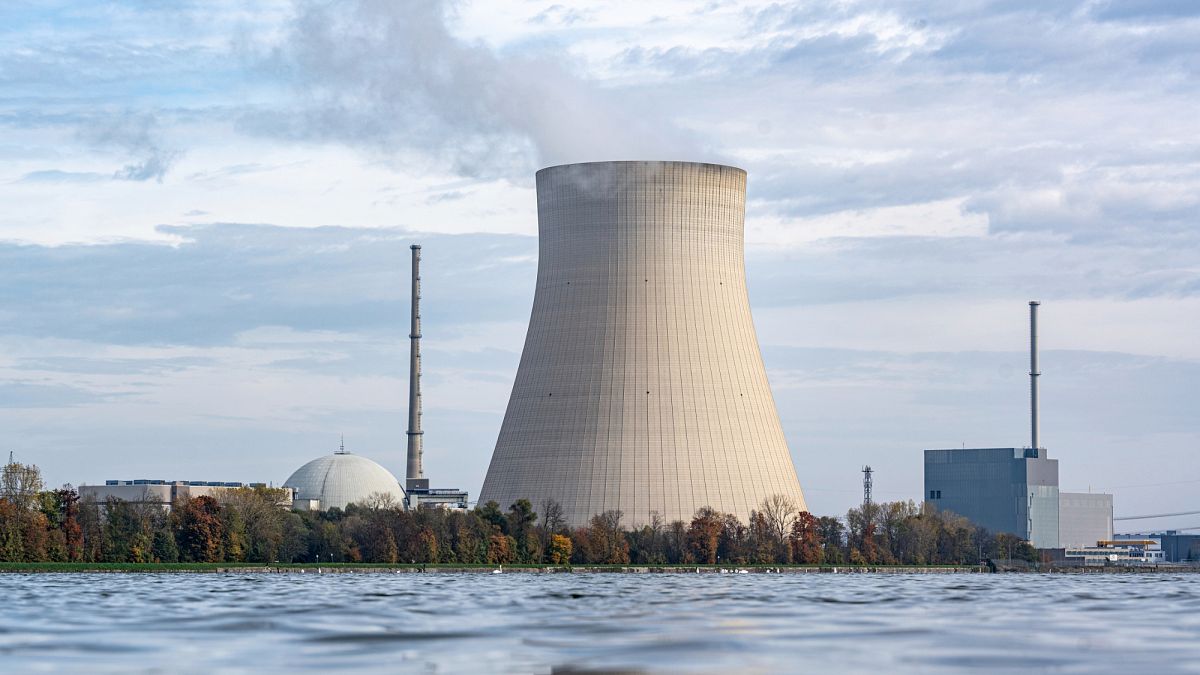
The global energy landscape is undergoing a profound transformation, with a significant resurgence of interest in nuclear power now influencing long-term strategic planning for energy investors. Major technology firms, including industry titans like Amazon, Google, and Meta, are demonstrating substantial commitments to atomic energy, signaling a broader shift in energy priorities. These tech giants recently joined a global initiative advocating for a tripling of worldwide nuclear electricity generation by the year 2050. This declaration echoes similar endorsements from prominent financial institutions last September and global political leaders at COP28, collectively underscoring a powerful, multi-sector drive towards expanding nuclear energy capacity.
The momentum behind this nuclear revival is undeniable. To date, 31 nations, alongside 140 companies operating within the nuclear sector, have formally committed to this ambitious objective of significantly boosting nuclear energy output over the next two and a half decades. The World Nuclear Association (WNA) currently reports that nuclear power provides approximately 9% of the world’s total electricity, generated by 440 operational reactors globally. For oil and gas investors, this burgeoning enthusiasm for nuclear energy introduces both new market dynamics and potential shifts in long-term energy demand models, necessitating a thorough re-evaluation of the entire energy complex within their portfolios.
Uranium Market Volatility and Geopolitical Pressures
The spot price for uranium has experienced a remarkable upward trajectory over the past five years, a trend intricately tied to escalating geopolitical tensions and robust projections for future demand. A primary catalyst for this significant price appreciation has been Russia’s invasion of Ukraine and the subsequent imposition of international sanctions against Moscow. While Russia holds a position as a notable global producer of natural uranium, the more pronounced and impactful price pressures stem from its critical role within the enrichment segment of the nuclear fuel cycle. Raw uranium must undergo a series of complex processes—including milling, conversion, and enrichment—before it can be effectively utilized as reactor fuel. It is in this crucial enrichment step where Russia commands considerable strategic leverage.
Data provided by the U.S. government indicates that Russia controls approximately 44% of the world’s total uranium enrichment capacity. This dependency is particularly acute for several key economies, highlighting a significant vulnerability. In 2023, Russia supplied a substantial 27% of the total enriched uranium (SWU, or Separative Work Units) required by the United States. Similarly, for European Union utilities, Russia accounted for a considerable 37.9% of their total enrichment services in the same year, according to figures from Euratom. This concentrated reliance on a single, geopolitically volatile supplier for a critical stage of the nuclear fuel process directly impacts the energy security strategies of major global powers, creating ripples across the broader energy investment landscape.
Navigating Supply Chain Risks and Policy Responses
Faced with such a heavy reliance on Moscow for essential nuclear fuel processing services, the United States responded by enacting legislation in mid-2024 to prohibit uranium imports from Russia. While this new law included provisions allowing for some existing shipments to continue until the close of 2027, Russia swiftly retaliated with its own temporary ban on these specific exports to the United States. This “tit-for-tat” dynamic vividly underscores the volatile geopolitical landscape currently impacting critical energy commodities and their intricate supply chains.
The immediate consequence of these policy shifts is heightened uncertainty for Western utilities, which must now accelerate efforts to diversify their enrichment sources. This scenario is driving strategic investments in domestic or allied enrichment capabilities, potentially creating new opportunities for specialized industrial and energy infrastructure investors. For oil and gas investors, this unfolding situation highlights the broader trend of energy security taking precedence, potentially affecting long-term energy demand models as nations prioritize diverse and resilient energy mixes. The pursuit of energy independence, bolstered by a secure nuclear supply chain, could gradually reduce the reliance on fossil fuels for baseload power generation in certain regions over the coming decades, thus influencing future demand projections for natural gas and potentially crude oil.
Strategic Implications for Oil and Gas Portfolios
The burgeoning nuclear renaissance, coupled with the geopolitical complexities of the uranium market, presents a multifaceted challenge and opportunity for oil and gas investors. A robust expansion of nuclear energy globally implies a long-term shift in the energy mix, potentially moderating the growth trajectory of natural gas demand for power generation as new reactors come online. While gas may continue to play a vital role as a bridge fuel during the construction phases of new nuclear facilities and for grid balancing, the ultimate goal of nuclear expansion is to provide stable, low-carbon baseload power, directly competing with gas-fired plants.
Furthermore, the drive for energy security, now amplified by the nuclear fuel cycle’s vulnerabilities, encourages nations to seek diverse energy sources, including renewables and nuclear, to reduce reliance on imported hydrocarbons. This could translate into revised long-term demand forecasts for crude oil and natural gas, particularly in regions actively pursuing nuclear expansion. Oil and gas companies and their investors must therefore consider strategies that encompass this evolving energy landscape. This might include exploring diversification into nuclear-adjacent services, such as specialized engineering, project management, or infrastructure development that supports nuclear power generation. Investment in carbon capture, utilization, and storage (CCUS) technologies for existing gas-fired power plants could also become a crucial strategy to maintain competitiveness in a decarbonizing power sector increasingly influenced by nuclear growth.
Ultimately, the nuclear resurgence compels oil and gas investors to adopt a more holistic and dynamic approach to portfolio management. Understanding the interdependencies between different energy sources, monitoring global energy policy shifts, and anticipating long-term demand trends are more critical than ever. The integration of nuclear power into national energy strategies is not just an environmental imperative but a geopolitical and economic reality that will reshape investment opportunities across the entire energy complex for decades to come. Astute investors will recognize these shifts and adapt their strategies to capitalize on the evolving dynamics of the global energy market.