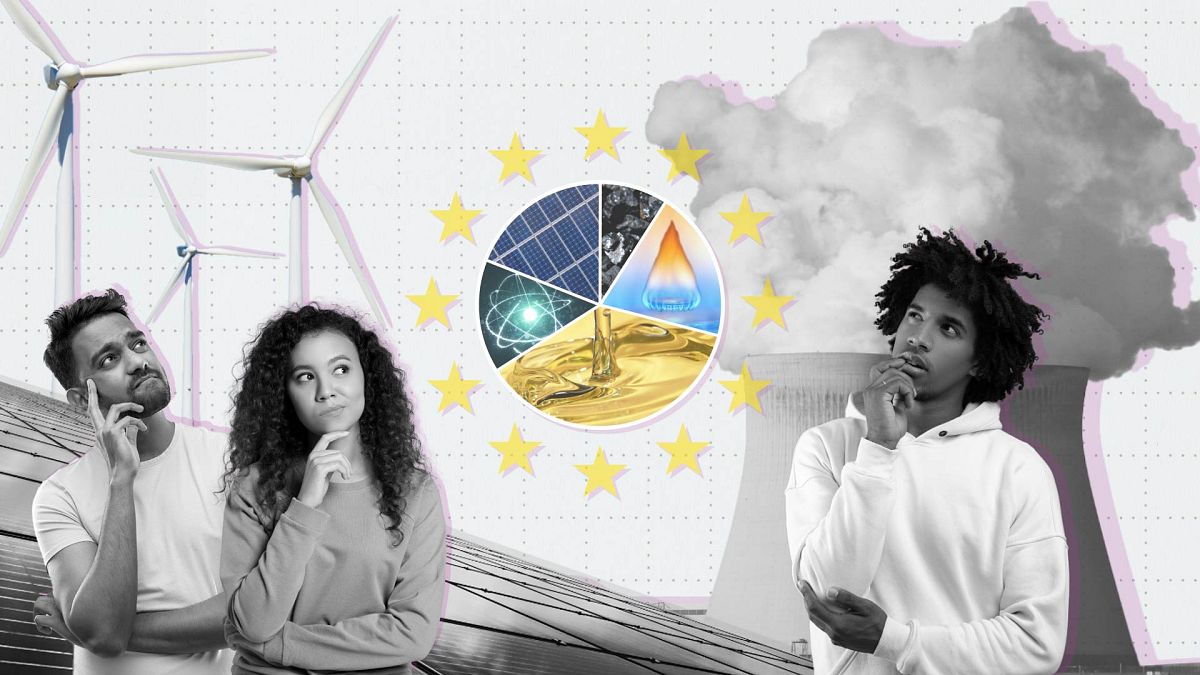
The European Union’s energy landscape is undergoing a profound transformation, presenting both challenges and opportunities for global oil and gas investors. In 2023, the bloc experienced a significant decline in its gross available energy, often referred to as total energy supply, which plummeted by 4.1%. This reduction, equivalent to approximately 380 million barrels of oil, marks a new record low for the region. This dramatic shift reflects a confluence of factors, including the long-term impact of stringent energy efficiency policies, the natural influence of milder winter seasons reducing heating requirements, and accelerated conservation efforts spurred by the sharp surge in fossil fuel prices following Russia’s full-scale invasion of Ukraine. Europe, it appears, is successfully achieving more with a reduced energy footprint.
Shifting Energy Mix: Renewables Gain Ground, Fossil Fuels Retain Dominance
Despite the notable decline in overall energy consumption, fossil fuels continue to form the bedrock of the EU’s energy matrix, accounting for a substantial 67% of the total. However, the trajectory of renewables is undeniable. Green energy sources now contribute 19.5% of all energy consumed across the EU, representing an impressive 31% increase since 2013. This rapid expansion places renewables just one percentage point shy of natural gas in the overall energy mix, indicating a pivotal moment in the region’s decarbonization efforts and a clear signal for investment in alternative energy infrastructure.
A closer look at the regional disparities within the EU reveals divergent paths. Nordic nations, including Sweden, Finland, and Denmark, stand out as frontrunners in the green transition, with renewables supplying between 40% and 50% of their respective energy needs. These countries offer a blueprint for successful integration of sustainable energy at scale. Conversely, nations like Poland and the Czech Republic continue to exhibit heavy reliance on coal, with solid fuels still satisfying roughly one-third of their energy demand. This regional contrast highlights the complex, multi-speed nature of Europe’s energy transition and the diverse investment profiles within the bloc.
EU’s Enduring Import Dependency and Geopolitical Vulnerabilities
The European Union’s energy security remains a critical concern for global markets, largely due to its significant reliance on external sources. The EU currently produces only about 40% of the energy it consumes domestically. Furthermore, primary domestic production has fallen nearly 20% since 2013, exacerbating this dependency. The region imports a staggering 95% of its crude oil and 90% of its natural gas, underscoring its vulnerability to geopolitical shifts and supply chain disruptions. This structural deficit means that nearly all oil and gas demand must be met through international shipments and pipeline flows.
Overall, the EU’s energy dependency stood at 58.4% in 2023. While this figure marks a reduction from the record high observed in 2022, it still surpasses the average dependency levels recorded throughout the 2010s. This persistent reliance on external energy suppliers means that global oil and gas producers remain vital partners for European economies. Key suppliers of oil and gas to the EU currently include Norway (a non-EU member), the United States, Algeria, and Qatar, alongside a significantly reduced flow from Russia. Investors should continue to monitor these supply relationships closely, as they dictate the stability and pricing dynamics of the European energy market.
Sectoral Demand: Transportation’s Enduring Thirst for Hydrocarbons
Understanding the breakdown of energy consumption within the EU provides crucial insights for sector-specific investment strategies. Transportation remains the single largest consumer of energy, accounting for a substantial 32% of total demand. Households follow, absorbing 26.3% of the energy supply, while industrial activities contribute 24.6%. The services sector and agriculture collectively utilize 9.1%, with the remaining 8% allocated to non-energy applications such as feedstocks and lubricants – critical inputs for the petrochemical industry.
The dominance of the transportation sector has steadily increased over the past three decades, primarily driven by a growing number of vehicles on European roads and a robust, albeit fluctuating, aviation industry. While road-fuel demand witnessed a recovery between 2021 and 2023, it has yet to reclaim its 2019 peak levels. Similarly, international aviation activity continues to lag, remaining 8% below its pre-COVID-19 figures. These trends suggest that while demand for traditional transport fuels is resilient, it faces structural headwinds from efficiency gains and the nascent shift towards electric vehicles and sustainable aviation fuels. For investors, this underscores the importance of evaluating both the short-term recovery potential and the long-term decarbonization challenges within the transport sector.
Investment Outlook: Navigating Europe’s Evolving Energy Landscape
The data from 2023 paints a clear picture of a European Union committed to reducing its energy footprint and diversifying its supply, yet still heavily reliant on traditional hydrocarbons. The record drop in overall energy consumption, coupled with the impressive growth of renewables, signals a powerful drive towards efficiency and decarbonization. However, the persistent high dependency on imported fossil fuels, particularly oil and gas, means that geopolitical developments and supplier relationships will continue to exert significant influence on market stability and pricing.
For astute oil and gas investors, Europe presents a market of contrasts. While long-term demand for fossil fuels may face structural decline due to policy and technological advancements, the immediate need for reliable supply, especially for critical sectors like transportation, remains robust. Investment opportunities may increasingly shift towards optimizing existing infrastructure for efficiency, developing cleaner hydrocarbon technologies, and strategically positioning within the supply chains of key import partners. Furthermore, the region’s diverse approaches to energy transition, from the Nordic leaders to the coal-reliant nations, will continue to offer varied risk and return profiles. Monitoring these dynamic shifts will be paramount for capital allocation in Europe’s complex and evolving energy ecosystem.