The Shifting Sands of Global Energy: A New Geopolitical Axis and its Investor Implications
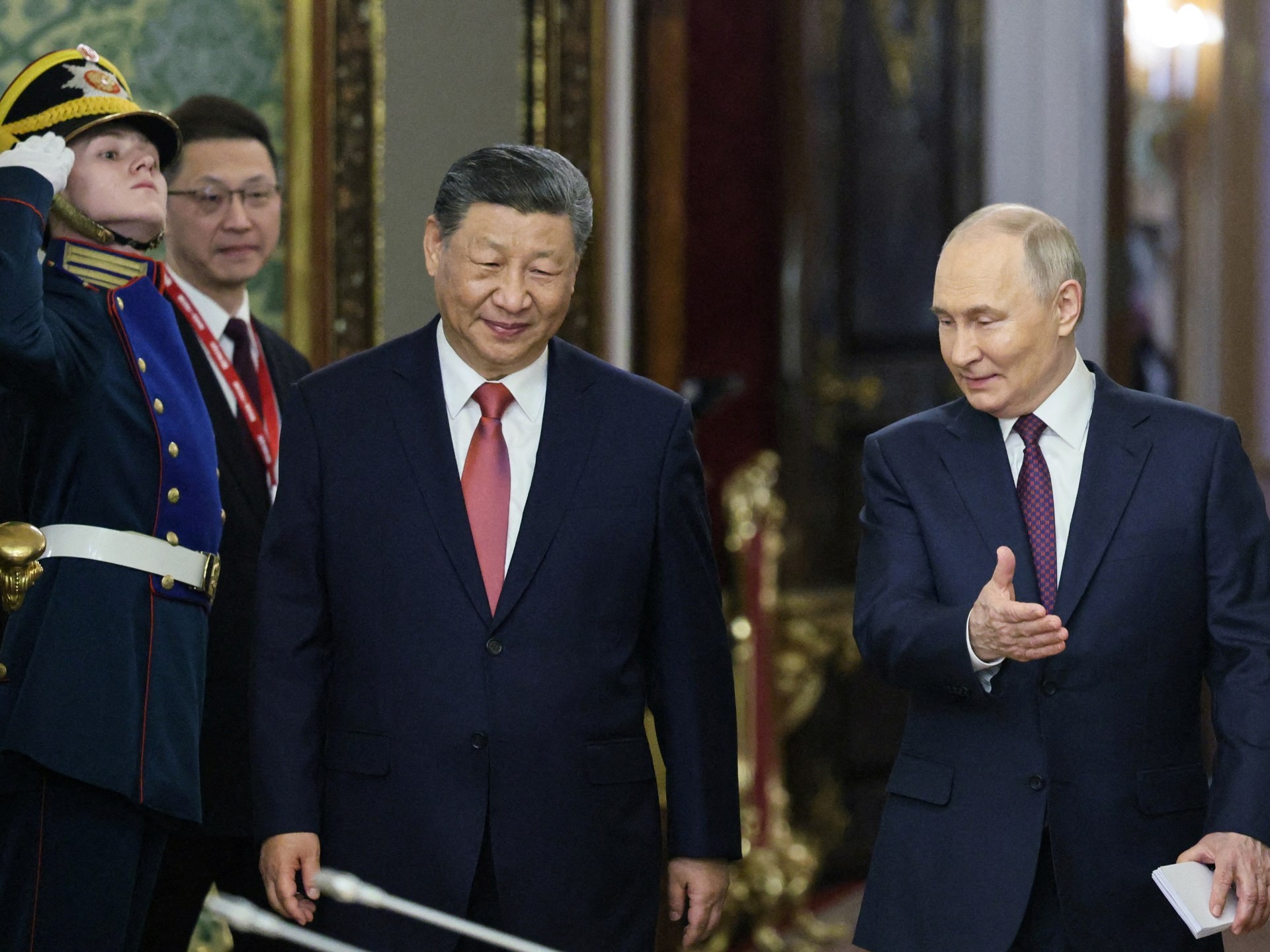
The recent high-stakes diplomatic engagement between Chinese President Xi Jinping and Russian President Vladimir Putin has sent an unequivocal message to global energy markets: a profound realignment of strategic interests is underway. This deepening partnership between two major global powers carries significant ramifications for energy supply chains, international trade dynamics, and the long-term capital allocation strategies of investors navigating a world increasingly challenging traditional Western-centric frameworks.
President Xi’s visit, ostensibly for historical commemorations, served as a platform to articulate Beijing’s firm commitment to Moscow, particularly against what he described as “unilateralism and hegemonic bullying.” This rhetoric, clearly echoing the ongoing conflict in Ukraine, underscores a shared ambition for a multipolar global order. For astute energy investors, this signals a potential acceleration in the development of non-Western energy infrastructure, fostering innovative trade routes and financing mechanisms that could bypass established channels and currencies, thereby reshaping the very architecture of global energy flows.
Redrawing the Energy Map: Eastward Pivot and Infrastructure Demands
The reinforced “no limits” strategic partnership, initially forged in 2022, is not merely a political declaration; it is fundamentally reshaping the physical flow of global energy resources. Confronted with extensive Western sanctions, Russia continues to strategically reorient its vast oil and natural gas exports eastward. China has emerged as a crucial, long-term anchor buyer, absorbing increasing volumes of Russian hydrocarbons. This monumental pivot necessitates substantial investment in new energy infrastructure, including cross-border pipelines, advanced liquefied natural gas (LNG) facilities, and expanded shipping capabilities. These developments present compelling challenges and lucrative opportunities for specialized energy sector funds, infrastructure developers, and commodity traders seeking to capitalize on evolving global supply dynamics.
From Russia’s perspective, President Putin leveraged the Moscow summit to underscore a historical narrative framing the conflict in Ukraine as a continuation of struggles against “neo-Nazism.” While a political statement, this perspective, for investors, reinforces the long-term durability of Russia’s strategic pivot and its sustained need for robust economic and military allies like China. The commitment to jointly uphold historical narratives and champion an “equal, orderly, multipolar, and inclusive economic globalization” points towards a concerted effort to establish alternative economic and energy blocs. This transformation promises to influence everything from international commodity pricing benchmarks to the governance structures underlying energy investments.
Navigating Market Complexity: The US Variable and Strategic Recalculations
Amidst the strengthening Sino-Russian energy ties, parallel developments involving the United States introduce an intriguing layer of complexity for energy market participants. Reports suggesting U.S. President Donald Trump’s potential efforts to broker a peace agreement between Russia and Ukraine, coupled with whispers of a possible diplomatic reset between Washington and Moscow, could inject a significant measure of uncertainty into Beijing’s strategic calculus. Such a rapprochement, should it materialize, possesses the potential to alter geopolitical alignments and, consequently, impact the trajectory of the Sino-Russian energy axis.
For energy investors, this introduces a critical variable. A genuine thaw in U.S.-Russia relations could potentially reduce Russia’s strategic dependence on China, possibly influencing long-term energy contract terms or even the pace of eastward infrastructure development. Conversely, if such diplomatic overtures prove fleeting or conditional, it could paradoxically solidify the Sino-Russian bond further, as both nations might perceive an ongoing need for mutual support against external pressures. Understanding these intricate geopolitical dynamics is paramount for assessing future supply stability, potential pricing volatility, and the overall risk-reward profile of energy investments linked to this evolving axis. Investors must be prepared for scenarios where energy trade flows and financing structures could either partially revert or become even more entrenched within the emerging Eastern bloc.
Investment Outlook: Opportunities and Risks in a Reshaped Energy Landscape
The formation of this powerful Xi-Putin axis irrevocably reshapes the global energy investment landscape. For those with a keen eye on emerging markets and non-traditional energy routes, significant opportunities lie in financing and developing the infrastructure necessary for Russia’s eastward energy pivot. This includes investments in new gas pipelines like the Power of Siberia extensions, LNG liquefaction terminals on Russia’s Pacific coast, and the expansion of port facilities for oil and gas exports. Furthermore, the burgeoning trade in energy commodities settled outside of traditional Western currencies presents avenues for currency-hedged investments and specialized trading strategies.
However, these opportunities are not without substantial risks. Geopolitical volatility remains high, with the potential for new sanctions or shifts in international relations creating unforeseen disruptions. Currency fluctuations, particularly as trade increasingly bypasses the U.S. dollar, introduce additional layers of financial risk. Investors must also contend with the evolving regulatory frameworks within these new economic blocs, which may differ significantly from established Western norms.
Ultimately, the deepening strategic alignment between China and Russia marks a fundamental shift in global energy dynamics. For energy investors, success in this new era will hinge on a deep understanding of geopolitical currents, agility in capital allocation, and a willingness to explore opportunities beyond conventional pathways, all while meticulously managing the inherent risks in a world where energy supply lines are being fundamentally redrawn. The coming decade will demand a sophisticated approach to energy finance, recognizing that the future of global energy flows is increasingly being shaped by this powerful Eastern partnership.