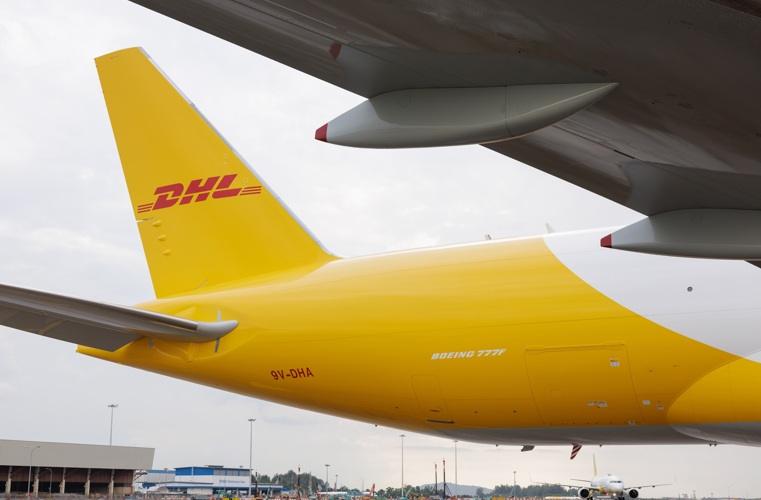
DHL’s Landmark SAF Procurement Signals Accelerated Aviation Decarbonization
In a significant move poised to reshape the sustainable aviation fuel (SAF) landscape, global express logistics titan DHL Express has finalized a substantial agreement with leading renewable fuels producer Neste. This deal commits Neste to supplying 7,400 metric tons, equivalent to approximately 9.5 million liters, of sustainable aviation fuel over the coming year. This critical volume is earmarked to power DHL’s international cargo flights originating from Singapore, marking a pivotal step in the decarbonization of air freight.
This procurement stands as one of the most substantial SAF agreements observed within the air cargo sector to date. Notably, it represents DHL’s inaugural direct acquisition of sustainable aviation fuel specifically for its operations departing from Singapore Changi Airport, underscoring the strategic importance of the Asia-Pacific region in the global energy transition. For investors tracking the nascent but rapidly expanding SAF market, this deal highlights a clear ramp-up in corporate commitment and demand.
Strategic Partnership Deepens, Paving Way for Long-Term Decarbonization
The freshly announced supply contract is not an isolated transaction but rather an extension of a broader, strategic collaboration between DHL and Neste. This comprehensive partnership, initially unveiled earlier this year, includes ambitious long-term objectives. Foremost among these is a commitment for DHL to off-take approximately 300,000 tons – or roughly 375 million liters – of unblended sustainable aviation fuel annually by the close of the decade. This aggressive target signals a profound shift in DHL’s operational fuel mix and a significant demand driver for Neste’s output.
Beyond aviation, the collaboration also explores the integration of renewable diesel into DHL’s extensive road transport fleet, indicating a holistic approach to emissions reduction across its logistics network. For energy investors, this multi-modal strategy from a major logistics player suggests a widening market for advanced biofuels beyond just the aviation sector, offering diversified growth opportunities for producers.
Singapore’s Green Aviation Ambitions Catalyzed by Corporate Action
The implications of this agreement extend beyond the two corporate entities, directly supporting Singapore’s national agenda to curtail carbon emissions within its aviation sector. Last year, the island nation unveiled a robust suite of measures aimed at decarbonizing its air transport industry. These initiatives include pioneering regulations mandating that all flights departing from Singapore must incorporate sustainable aviation fuel, commencing with a minimum 1% blend from 2026. Such policy frameworks, combined with proactive corporate adoption, create a powerful ecosystem for SAF market expansion.
DHL’s move to secure significant SAF volumes produced by Neste’s local refinery in Singapore positions the company as a key contributor to these national targets, demonstrating how private sector investment and strategic partnerships are crucial in achieving governmental environmental objectives. This alignment is a strong indicator of sustainable growth for companies operating within the region’s green energy infrastructure.
DHL’s €7 Billion Sustainability Roadmap: A Blueprint for Investors
The scaling of sustainable aviation fuel and other alternative energy sources forms a cornerstone of DHL’s comprehensive Sustainability Roadmap, launched with much fanfare in 2021. This roadmap outlines an impressive €7 billion investment over a decade, specifically allocated to initiatives designed to drastically reduce the company’s CO2 emissions. Key focus areas include the expansion of a zero-emissions fleet, the adoption of alternative aviation fuels like SAF, and the development of climate-neutral buildings across its global footprint.
This substantial financial commitment underscores DHL’s unwavering dedication to its ambitious 2050 net-zero goal. Furthermore, the company has established critical interim targets for 2030, aiming to increase the share of sustainable fuels across all transportation modes to more than 30% and to electrify two-thirds of its last-mile delivery vehicles. These aggressive targets provide a clear investment thesis for companies involved in electric vehicle manufacturing, charging infrastructure, and, crucially, advanced biofuel production.
Christopher Ong, Managing Director for DHL Express Singapore, articulated the company’s leadership stance, stating that DHL Express, as one of the largest global consumers of SAF, is actively pioneering sustainable logistics and driving voluntary demand for SAF integration. He emphasized that the company is not merely adhering to existing industry standards but is actively defining new benchmarks for environmental responsibility within the logistics sector.
Neste’s Production Prowess and the Future of Biofuels
Finland-based Neste emerges as a critical enabler in this transition, offering advanced renewable and circular solutions across diverse sectors, from road transport and aviation to polymers and chemicals. The company’s flagship product, Neste MY Sustainable Aviation Fuel, is a linchpin in the aviation industry’s decarbonization efforts. Produced from sustainably sourced renewable waste and residue raw materials, such as used cooking oil and animal fat waste, Neste’s SAF is fully compatible with existing aircraft engines and airport fuel infrastructure, making it a “drop-in” solution that accelerates adoption without requiring costly infrastructure overhauls.
According to Neste, the use of Neste MY Sustainable Aviation Fuel can lead to a remarkable reduction of greenhouse gas emissions by up to 80% over the fuel’s life cycle when compared to conventional fossil jet fuel. This significant environmental benefit, coupled with its seamless integration capabilities, makes Neste a highly attractive partner for companies like DHL committed to substantial carbon reductions.
Beyond aviation, Neste also produces Neste MY Renewable Diesel, manufactured from renewable raw materials through a proprietary hydrogen treatment process. This product serves as a direct drop-in replacement for fossil diesel, offering substantial greenhouse gas emission reductions for road transport fleets. The ability to supply SAF from its local refinery in Singapore further solidifies Neste’s strategic positioning in the Asian market, enhancing supply chain resilience for its partners.
Investor Outlook: Opportunities in the Evolving Energy Landscape
The DHL-Neste agreement is a potent indicator for investors monitoring the energy transition. It showcases how significant corporate capital is being directed towards sustainable solutions, creating robust demand for advanced biofuels. Companies like Neste, with proven production capabilities and scalable technologies in SAF and renewable diesel, are poised for substantial growth. The oil and gas sector, particularly those players with refining assets capable of co-processing or dedicated biorefineries, should take note of these trends as traditional fossil fuel demand faces increasing pressure from these greener alternatives.
For long-term investors, the aviation sector’s decarbonization pathway, driven by both regulatory mandates and corporate commitments, represents a compelling investment theme. The continued expansion of SAF production capacity, alongside advancements in feedstock sourcing and conversion technologies, will be crucial. This deal reinforces the narrative that sustainable aviation fuel is not merely a niche product but an essential component of the global energy mix, signaling a lucrative future for companies at the forefront of its development and deployment.


