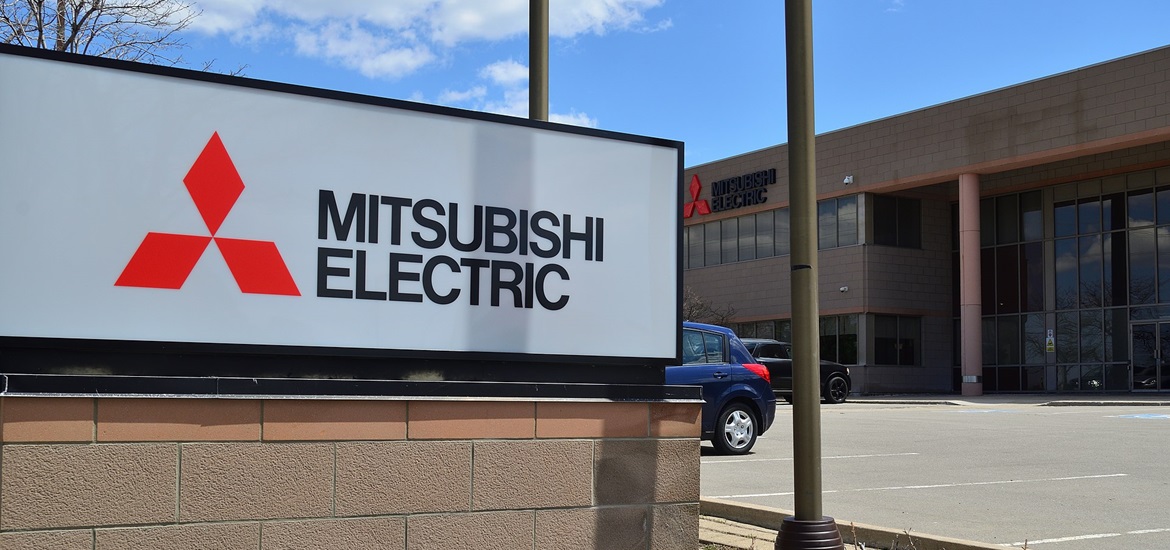
The energy market currently navigates a fascinating duality: the immediate, often volatile, fluctuations of traditional hydrocarbon demand and supply, set against the backdrop of a steadily accelerating, structurally driven energy transition. As of today, Brent crude trades at $90.38, marking a significant daily drop of over 9%, with its 14-day trend showing a sharp decline from $112.78 to $91.87. WTI mirrors this sentiment, down over 9% to $82.59, and even gasoline prices have dipped to $2.93. This short-term price action, often influenced by geopolitical developments or economic shifts, commands investor attention for immediate positioning. Yet, beneath this daily churn, a powerful current of strategic investment is reshaping the long-term landscape. Mitsubishi Electric’s recent investment in Archeda, a startup leveraging satellite data and AI to enhance carbon credit accuracy, serves as a compelling illustration of capital flowing into the foundational infrastructure of a decarbonized future, highlighting that while the oil price rollercoaster continues, the strategic pivot towards verifiable sustainability is gaining irreversible momentum.
Navigating Volatility: ESG Investment as a Long-Term Anchor
The current state of the crude market, characterized by notable daily and recent two-week price declines, underscores the inherent volatility that energy investors must constantly manage. Brent crude’s drop from over $112 just a few weeks ago to today’s sub-$91 level, with WTI following suit, speaks to the dynamic interplay of global supply, demand, and sentiment. This environment often leads investors to focus on short-term catalysts like upcoming OPEC+ meetings, such as the Joint Ministerial Monitoring Committee (JMMC) and Full Ministerial meetings scheduled for April 18th and 19th, or the weekly API and EIA inventory reports due on April 21st and 22nd. These events are critical for tactical trading and immediate market forecasting, directly influencing the perennial investor question, “what do you predict the price of oil per barrel will be by end of 2026?”
However, Mitsubishi Electric’s investment in Archeda demonstrates a different, more strategic approach to energy market participation. While conventional oil prices swing, this move signifies a commitment to the foundational elements of the energy transition, specifically strengthening the reliability of carbon credit systems. This ESG-driven capital allocation provides a long-term anchor, suggesting that even as traditional energy assets face price pressure, the value proposition of robust decarbonization infrastructure continues to grow. For discerning investors, balancing short-term market dynamics with long-term strategic shifts like these is paramount.
Reliability Demanded: Satellite AI Addressing Investor Concerns in Carbon Markets
The credibility of carbon credits has long been a critical barrier to their widespread adoption and scalability. Questions surrounding the accurate measurement, verification, and permanence of carbon sequestration have plagued the market, eroding investor confidence. Our proprietary reader intent data consistently reveals a deep investor interest in data reliability and transparency, with queries like “What data sources does EnerGPT use? What APIs or feeds power your market data?” underscoring a broader demand for verifiable information across the energy sector. This fundamental need for trust is precisely what Archeda’s technology aims to address.
By applying AI to high-resolution satellite imagery, including data from Mitsubishi Electric’s ALOS-2 satellite, Archeda is building a system that monitors environmental changes and validates carbon sequestration with unprecedented accuracy. This isn’t just about tracking; it involves sophisticated baseline assessments to estimate hypothetical emissions, thereby calculating genuine carbon reductions. For energy companies and investors looking to engage meaningfully in carbon offsetting, or for those evaluating the ESG claims of portfolios, such verifiable, data-driven validation is invaluable. It transforms carbon credits from a potentially opaque financial instrument into a trustworthy asset, fostering the confidence necessary for significant institutional capital to flow into this vital market segment.
Japan’s 2027 ETS: A Catalyst for Verified Carbon Markets
The strategic timing of Mitsubishi’s investment is particularly noteworthy given Japan’s upcoming national emissions trading scheme, set to launch in 2027. This regulatory framework will target companies emitting over 100,000 tons of CO₂ annually, creating a significant, mandated demand for carbon credits within one of the world’s largest economies. This forward-looking policy decision provides a powerful market catalyst, distinct from the immediate, supply-demand driven events that typically move oil prices.
While the market will remain acutely focused on upcoming traditional energy events like the Baker Hughes Rig Count reports on April 24th and May 1st, which offer insights into future oil and gas supply, the 2027 ETS represents a structural shift in demand for decarbonization solutions. Companies facing these new emissions caps will require high-integrity carbon credits to meet their obligations. Archeda’s advanced verification tools directly address this impending market need, positioning Mitsubishi and its investment for substantial long-term growth within Japan’s rapidly evolving carbon market. This illustrates how policy can create entirely new markets, rewarding early investors in the infrastructure required to support them.
Investment Implications for the Broader Energy Sector
Mitsubishi Electric’s strategic move transcends a simple technology investment; it signals a critical direction for the entire energy ecosystem. For traditional oil and gas companies, this development highlights several key implications. First, the increasing emphasis on verifiable carbon reduction methods means that “greenwashing” will become increasingly difficult and financially risky. Companies engaged in carbon capture, utilization, and storage (CCUS) projects, or those investing in nature-based solutions, will need robust, third-party verification similar to Archeda’s offering to underpin the value of their efforts.
Second, the rise of trusted carbon credit systems creates new revenue streams and risk management tools. Energy firms can leverage these markets to offset hard-to-abate emissions or even develop their own carbon sequestration projects, generating verifiable credits. Finally, for investors assessing the long-term viability of energy portfolios, the ability of companies to effectively navigate and capitalize on these evolving carbon markets will become a key differentiator. The investment in Archeda is not just about a single startup; it’s about building the foundational trust mechanism that will unlock the full potential of the global carbon market, profoundly impacting how the energy sector operates and creates value in a carbon-constrained world.


