Microsoft’s ESG Mandate: A New Imperative for Oil & Gas Suppliers
The global energy transition continues to reshape investment landscapes, but often the most profound shifts occur not through direct regulation, but via the evolving demands of corporate supply chains. A significant development in this regard comes from Microsoft, which, through a deepened collaboration with ESG data solutions provider Novata, is set to expand its sustainability reporting requirements to its vast network of suppliers, including a critical segment within the oil and gas sector. This initiative, backed by Microsoft’s 2023 investment via its Climate Innovation Fund in Novata, signifies a new frontier for ESG compliance, particularly for small and medium-sized enterprises (SMEs) that serve major tech players. For oil and gas investors, this isn’t merely a corporate social responsibility footnote; it represents a tangible operational cost, a potential competitive differentiator, and a non-negotiable gateway to future contracts.
Demystifying the New ESG Reporting Mechanism for O&G SMEs
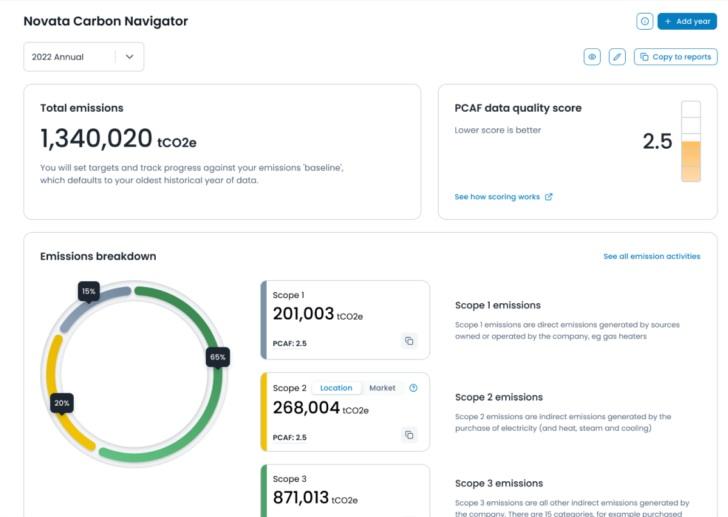
At the core of this initiative is the partnership between Microsoft and Novata, a public benefit corporation founded by heavyweights like S&P Global and the Ford Foundation, established to simplify ESG measurement and reporting for private markets. Novata’s platform is already utilized by hundreds of General Partners and over 10,000 companies, providing a robust framework for data collection and benchmarking. The new collaboration specifically targets Microsoft’s extensive supplier base, arming them with AI-powered tools designed to streamline sustainability data collection and reporting. For oil and gas service providers, equipment manufacturers, and even niche producers embedded in Microsoft’s supply chain, this means a mandatory adoption of sophisticated tracking and reporting mechanisms for their climate metrics. This move transcends voluntary green initiatives; it’s about securing and maintaining commercial relationships. As investors frequently inquire about the long-term viability and operational resilience of energy assets, understanding an O&G firm’s capacity to integrate such advanced ESG reporting, potentially leveraging tools like Microsoft Azure AI Foundry and Microsoft Fabric, becomes paramount. It signals not just compliance, but a forward-thinking approach to business continuity and market access.
Market Headwinds Meet New Compliance Burdens
This expansion of ESG mandates arrives at a complex juncture for the energy markets. While the long-term trajectory toward sustainability is clear, the immediate financial environment for many oil and gas firms, especially smaller players, remains challenging. As of today, Brent Crude trades at $94.93, a slight stabilization within a day range of $91-$96.89. However, this follows a notable downturn; Brent saw an 8.8% decline over the last two weeks, moving from $102.22 on March 25th to $93.22 on April 14th. Similarly, WTI Crude stands at $91.29. This backdrop of recent price volatility, coupled with relatively stable gasoline prices at $3.00, underscores the pressure on profit margins. For O&G SMEs, the cost of implementing new ESG data management systems, even with AI-powered simplification, represents an additional operational expenditure. Investors, who are actively seeking clarity on the base-case Brent price forecast for the next quarter, must factor in how these evolving compliance costs could impact capital allocation, cash flow, and ultimately, the profitability of their energy holdings. Companies that have already invested in robust data infrastructure or can quickly adapt will likely navigate this new landscape more effectively, potentially widening the performance gap with their less agile peers.
Navigating the Future: Upcoming Events and Strategic Positioning
Looking ahead, the next few weeks present several critical data points that will further shape the operating environment for the oil and gas sector, directly impacting how firms respond to these new ESG mandates. The upcoming OPEC+ Joint Ministerial Monitoring Committee (JMMC) meeting on April 18th, followed by the Full Ministerial Meeting on April 20th, could introduce supply-side adjustments that significantly influence crude prices. Any decision to alter production quotas will directly affect the financial flexibility of O&G companies, dictating their capacity to invest in new compliance technologies. Furthermore, the weekly API and EIA crude inventory reports (April 21st/22nd and April 28th/29th) will provide fresh insights into demand and supply dynamics, crucial for refining market outlooks. For oil and gas firms, strategic positioning now involves not just anticipating these market shifts but also integrating advanced sustainability reporting into their core operations. Those who proactively engage with platforms like Novata’s will not only meet Microsoft’s requirements but also gain a competitive edge in attracting other ESG-conscious corporate clients, securing their long-term market relevance and unlocking growth opportunities in a rapidly changing world. This forward-looking approach is essential for any investor building a comprehensive 2026 Brent forecast.
Investment Implications: Beyond Barrels to ESG Resilience
The Microsoft-Novata collaboration serves as a potent reminder that the investment thesis for oil and gas is increasingly complex, extending beyond traditional supply-demand fundamentals. While investors rightly focus on questions like “How are Chinese tea-pot refineries running this quarter?” or “What’s driving Asian LNG spot prices this week?”, the subtle but powerful shift in corporate procurement policies, spearheaded by tech giants, demands equal analytical rigor. This isn’t merely about “greenwashing”; it’s about embedding verifiable sustainability metrics into the very fabric of global supply chains. For investors, this creates a clear differentiation point: companies in the oil and gas sector that embrace advanced ESG data management solutions are not just mitigating risks but are actively positioning themselves for future growth and market access. Identifying these proactive firms – those that view ESG reporting as a strategic investment rather than a compliance burden – will be key to unlocking long-term value. Their ability to demonstrate verifiable environmental performance, facilitated by AI-powered tools and robust platforms, will become a non-negotiable factor for attracting capital and securing contracts in an increasingly interconnected and sustainability-focused global economy. The era of ESG resilience as a core investment metric has truly arrived for the oil and gas industry.


