The energy transition continues to accelerate, with recent developments highlighting a significant shift in industrial decarbonization efforts and capital allocation. A prime example is the clean iron producer Electra’s recent announcements, including pivotal purchase agreements with global steel companies and a strategic Environmental Attribute Credit (EAC) deal with tech giant Meta. This move underscores the growing imperative for industries to address their supply chain emissions, signaling a fundamental reorientation of demand that will inevitably impact traditional energy markets. As investors navigate a volatile landscape, understanding these structural shifts is crucial for identifying long-term value in the energy sector.
Green Steel: A New Frontier for Industrial Decarbonization
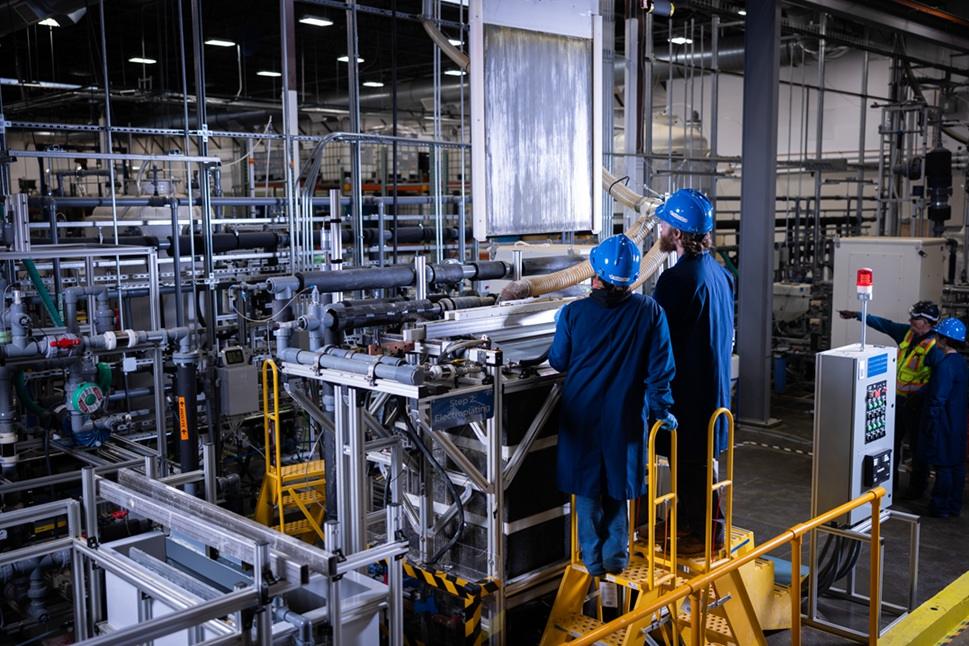
Electra, founded in 2020, is at the forefront of this industrial transformation. The Colorado-based company has pioneered a low-temperature process that electrochemically refines iron ore into 99% pure iron. This innovative method replaces traditional, coal-intensive ironmaking, which relies on extreme heat, with a chemistry-driven process powered by renewable energy. Iron ore is dissolved in an acidic solution, co-products are removed, and electricity is then used to electrodeposit iron onto metal sheets. Key advantages of this technology include its ability to utilize intermittent renewable energy sources, thanks to its low-temperature requirements, and its versatility in processing a wide range of ores, even previously mined and unused materials, unlike conventional methods that demand high-grade feedstocks. Furthermore, the process efficiently removes co-products like silica and alumina, reducing waste and preserving critical minerals.
These technological advancements are not merely theoretical. Electra has selected Jefferson County, Colorado, as the site for its new 130,000 square foot demonstration facility, which is slated to begin operations in mid-2026. This facility is projected to produce up to 500 metric tons of low-carbon, high-purity iron annually, marking a tangible step towards commercialization. Investors are keenly observing how such innovations will reshape the demand profile for energy. Our reader intent data shows inquiries like “what do you predict the price of oil per barrel will be by end of 2026?” While short-term oil prices are influenced by immediate supply-demand dynamics, the proliferation of technologies like Electra’s suggests a long-term erosion of demand for fossil fuels in industrial processes. This accelerating shift towards green production methods will undoubtedly put downward pressure on the demand side for traditional energy commodities over the coming years, compelling a re-evaluation of long-term price forecasts.
Capital Flows and Market Dynamics in the Energy Transition
The financial backing for Electra’s ambitious plans highlights the significant capital flowing into decarbonization technologies. The company recently secured a $50 million grant from the Bill Gates-backed Breakthrough Energy Catalyst and an $8 million tax credit from the Colorado Industrial Tax Credit Offering (CITCO). These substantial commitments augment Electra’s recent $186 million Series B funding round. This influx of capital from prominent investors and government programs underscores the growing confidence in the commercial viability and environmental necessity of clean industrial processes. Mario Fernandez, Head of Catalyst at Breakthrough Energy, succinctly captured this sentiment, noting that Electra is “reimagining the fundamentals of ironmaking, enabling a scalable, cost-effective pathway to low-carbon steel.”
This long-term investment trend contrasts sharply with the immediate volatility observed in traditional energy markets. As of today, Brent crude trades at $90.38, reflecting a significant 9.07% decline within the day, with its range fluctuating between $86.08 and $98.97. Similarly, WTI crude has fallen to $82.59, a 9.41% drop, trading between $78.97 and $90.34. Gasoline prices also saw a notable decrease to $2.93, down 5.18%. This sharp downturn follows a 14-day trend where Brent crude has shed nearly 20% of its value, dropping from $112.78 on March 30 to its current level. While these immediate price movements are driven by a complex interplay of geopolitical factors, economic outlooks, and inventory data, the consistent flow of capital into green initiatives like Electra’s indicates that the structural shift away from carbon-intensive industries is a powerful, underlying current that investors cannot ignore. This divergence between short-term commodity price swings and long-term investment in new energy solutions creates both challenges and opportunities for portfolio managers.
Meta’s Emissions Strategy and the Rise of Environmental Attribute Credits
Meta’s agreement with Electra is a clear manifestation of corporate commitments to achieve net zero emissions. The social media and communications giant has set an ambitious goal to reach net zero across its entire value chain by 2030. This target presents significant challenges, particularly as Meta rapidly expands its infrastructure to accommodate the surging demands of AI development. To address these supply chain emissions, Meta will purchase verified Environmental Attribute Credits (EACs) linked to the reduced emissions from Electra’s clean iron production. The agreement also includes an option for Meta to purchase EACs from future Electra commercial facilities, demonstrating a scalable, long-term commitment.
This strategic move by Meta highlights the increasing importance of carbon credit markets as a mechanism for companies to manage and offset their emissions. John DeAngelis, Head of Clean Technology Innovation at Meta, expressed enthusiasm for advancing low-carbon iron and steel, underscoring the collaborative effort required for decarbonization. Beyond carbon credits, Meta is also exploring other avenues, such as piloting the use of mass timber in data center construction to replace emission-intensive materials like steel and concrete. For oil and gas investors, understanding the growth of the EAC market and corporate decarbonization strategies is critical. While it represents a new revenue stream for clean tech companies, it simultaneously signals a diminishing reliance on traditional energy sources across various industrial and commercial sectors, potentially impacting demand for fossil fuels in heavy industries.
Navigating Future Volatility: Upcoming Events and Investor Focus
The energy market remains highly sensitive to immediate supply-demand signals and geopolitical developments, a fact underscored by the recent sharp declines in crude prices. For investors, the coming weeks are packed with critical events that could shape near-term price trajectories. Our proprietary calendar shows the OPEC+ Joint Ministerial Monitoring Committee (JMMC) Meeting on April 19, followed by the full OPEC+ Ministerial Meeting on April 20. These gatherings are particularly significant given the current price volatility. Many of our readers are asking “What are OPEC+ current production quotas?” and will be closely monitoring these meetings for any signals regarding potential adjustments to output levels, which could significantly impact global supply balances and crude prices.
Further insights into the market’s health will come from the API Weekly Crude Inventory reports on April 21 and April 28, along with the more comprehensive EIA Weekly Petroleum Status Reports on April 22 and April 29. These reports provide vital data on U.S. crude oil, gasoline, and distillate inventories, acting as key indicators of demand strength and supply dynamics. Additionally, the Baker Hughes Rig Count on April 24 and May 1 will offer a snapshot of drilling activity in North America, providing clues about future production trends. While these events primarily influence short-term price movements, investors must concurrently consider the long-term structural changes driven by the energy transition. The increasing investment in green technologies, exemplified by Electra’s growth and Meta’s strategic partnerships, suggests that while immediate market factors will dictate day-to-day trading, the fundamental shift in energy consumption patterns will increasingly define the sector’s future. Predicting the exact price of oil by the end of 2026 remains complex, but the dual pressures of immediate market fundamentals and accelerating decarbonization efforts will continue to shape the outlook for traditional oil and gas assets.


