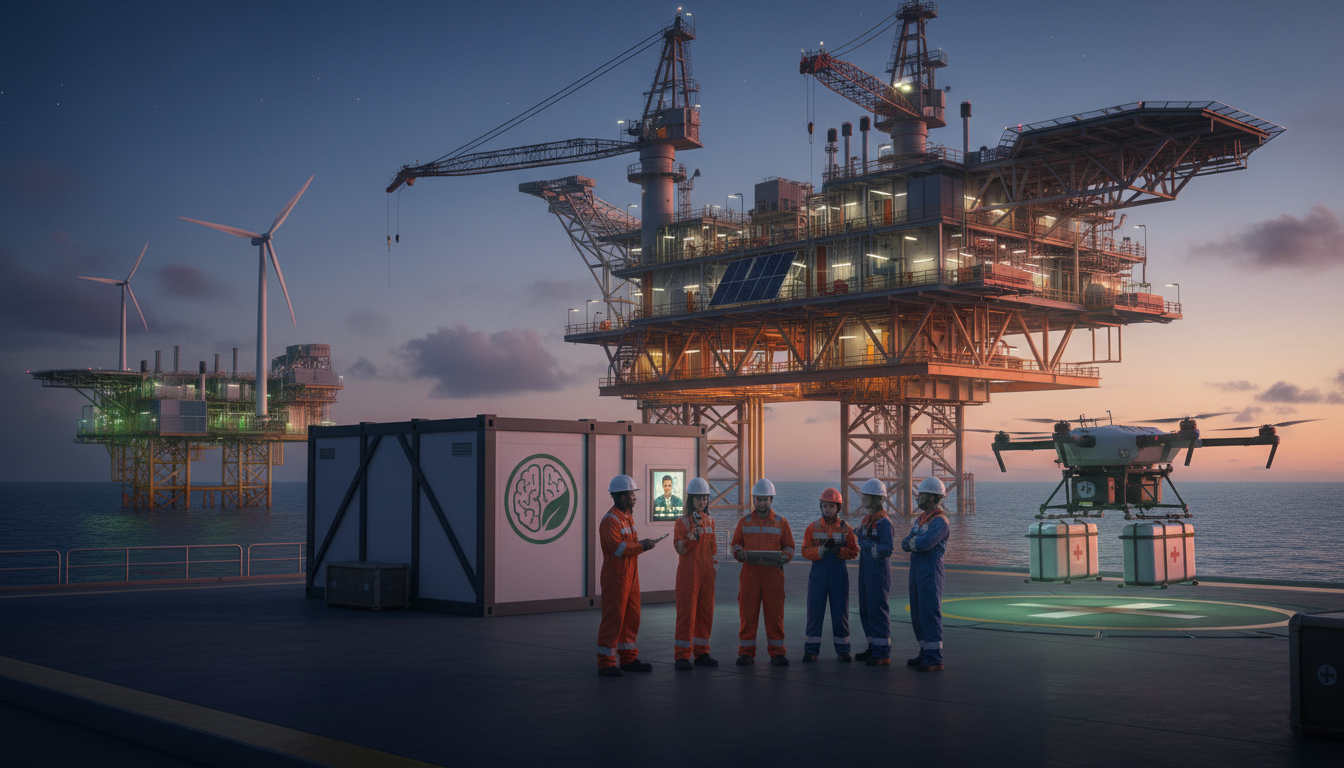
The global energy sector, particularly its high-stakes offshore and remote operations, is undergoing a profound transformation. While discussions often center on geopolitical shifts, supply-demand dynamics, and the energy transition, a critical, yet often overlooked, factor is emerging as central to operational excellence and investor value: workforce mental health. As an increasingly competitive and complex industry demands peak performance and resilience, proactive mental health and wellbeing support is no longer a fringe benefit but a strategic imperative. This shift is exemplified by the recent expansion of specialized wellbeing services into the Middle East, targeting energy personnel in high-risk environments. For astute investors, understanding this evolving landscape means recognizing that human capital is as vital as physical assets in driving long-term returns and mitigating operational risk.
Beyond Physical Risk: The Strategic Imperative of Offshore Mental Health
For decades, the health, safety, and environmental (HSE) framework in the oil and gas industry has predominantly focused on physical safety protocols and environmental stewardship. However, a growing consensus, particularly among leading operators, acknowledges that a truly holistic HSE strategy must encompass mental wellbeing. Specialist providers, such as the UK-based consultancy IntrospeXion, founded in 2024, are at the forefront of this evolution, securing new contracts in the Middle East to deliver tailored mental health support. This includes on-site support hubs, comprehensive workforce assessments, and leadership coaching, all designed to enhance decision-making capabilities and bolster operational resilience. The expansion into a region synonymous with large-scale, complex energy projects underscores the industry’s recognition that extended rotations, high-pressure conditions, and inherent risk exposure in offshore and remote settings create unique psychological challenges. Addressing these behavioral risk factors directly translates into a stronger safety culture, fewer incidents, and ultimately, more reliable operations.
Operational Stability Meets Market Volatility: A Direct Link to Profitability
In today’s dynamic energy market, where price fluctuations can be sharp and unforgiving, operational stability is paramount for protecting investor capital. As of today, Brent Crude trades at $99.13, reflecting a modest daily decline of 0.22%, while WTI Crude stands at $94.4, down a more significant 1.51%. The 14-day trend for Brent, which saw prices move from $109.27 on April 7th to $105.33 by April 24th, illustrates the constant pressure on margins. In this environment, any factor that reduces downtime, improves safety records, or enhances productivity directly impacts the bottom line. Mental health initiatives, by fostering a more alert, engaged, and resilient workforce, are increasingly seen as a critical component of risk mitigation. Improved mental wellbeing leads to better decision-making, reduced human error, and a more robust response to operational challenges, directly safeguarding assets and ensuring project timelines are met. For investors, this translates into more predictable cash flows and a stronger return on capital, distinguishing well-managed companies from their peers in a market where even a slight dip in crude prices can squeeze profits.
ESG Leadership: Attracting Capital Through Social Performance
The integration of robust mental health programs into energy operations also carries significant weight from an Environmental, Social, and Governance (ESG) perspective. While the “E” often dominates headlines, the “S” component, encompassing human capital management, community relations, and labor practices, is gaining increasing traction among institutional investors. Prioritizing employee wellbeing, particularly in high-risk sectors, signals a commitment to social responsibility that resonates with ESG-conscious funds. Companies demonstrating proactive efforts in areas like mental health support are better positioned to attract long-term capital, reduce reputational risk, and enhance their social license to operate. This focus on human sustainability not only contributes to workforce retention in a competitive talent market but also aligns with the broader industry shift towards a more responsible and sustainable energy future. For investors scrutinizing ESG metrics, a clear strategy for supporting the mental health of offshore personnel offers a tangible indicator of forward-thinking governance and a commitment to people, which can ultimately lead to a lower cost of capital and enhanced shareholder value.
Navigating Future Headwinds: Workforce Resilience in a Shifting Energy Landscape
The energy sector faces persistent uncertainty, from geopolitical tensions impacting supply chains to the long-term implications of EV adoption on demand projections – questions our readers frequently ask, such as what factors could push Brent below $80 or above $120. While the broader US-Iran negotiations remain stalled, creating an undercurrent of geopolitical risk, and sporadic exchanges continue despite a ceasefire extension in other regions, the industry must maintain operational continuity. The ability of a workforce to adapt and perform under such conditions is paramount. Looking ahead, key market signals will emerge from upcoming events: the API Weekly Crude Inventory report on April 28th, followed by the EIA Weekly Petroleum Status Report on April 29th, and the Baker Hughes Rig Count on May 1st. These reports provide crucial insights into supply, demand, and drilling activity, all of which rely on the consistent, high-quality performance of energy sector personnel. A mentally resilient workforce, supported by comprehensive wellbeing programs, is better equipped to navigate these complex macro environments, respond effectively to operational challenges highlighted by inventory shifts, and maintain productivity through market cycles. As the industry continues to evolve, investing in the human element becomes an undeniable competitive advantage, ensuring companies are not just physically prepared, but also psychologically robust enough to thrive in the face of future challenges.


