A New Frontier: Middle East Capital Pivots to Critical Minerals Amidst Energy Transition
The global energy landscape is undergoing a profound transformation, and nowhere is this more evident than in the strategic maneuvers of Middle Eastern capital. Traditionally synonymous with hydrocarbon wealth, Gulf states are now aggressively charting a course into critical minerals, positioning themselves as indispensable players in the burgeoning energy transition and the impending artificial intelligence boom. This isn’t merely opportunistic investment; it’s a calculated long-term strategy to diversify economies, secure future growth, and mitigate reliance on volatile oil markets. As investors keenly watch the shifting dynamics, understanding this pivot is crucial for identifying where significant capital flows are heading next.
The Strategic Imperative: Beyond Black Gold
For decades, the economic power of nations like Saudi Arabia and the UAE has been rooted in vast oil reserves. However, with global decarbonization efforts accelerating and the long-term outlook for fossil fuels facing increasing scrutiny, these nations are leveraging their immense financial capital to build new pillars of prosperity. The focus has sharpened considerably on critical minerals – materials like lithium, nickel, cobalt, copper, and rare earth elements – which are foundational to renewable energy technologies, electric vehicles, and advanced electronics. While the Middle East may not possess significant indigenous reserves of many of these materials, their strategy centers on downstream processing, refining, and supply chain control. For example, the partnership between U.S.-listed Critical Metals and Saudi Arabia’s Obeikan Group to establish a large-scale lithium hydroxide processing plant in the kingdom exemplifies this approach. This move is not just about securing a piece of the pie; it’s about becoming a central node in the global critical minerals value chain, offering alternative partnerships to traditional Western players and solidifying their geopolitical influence beyond oil.
Market Dynamics, AI, and Tightening Supply
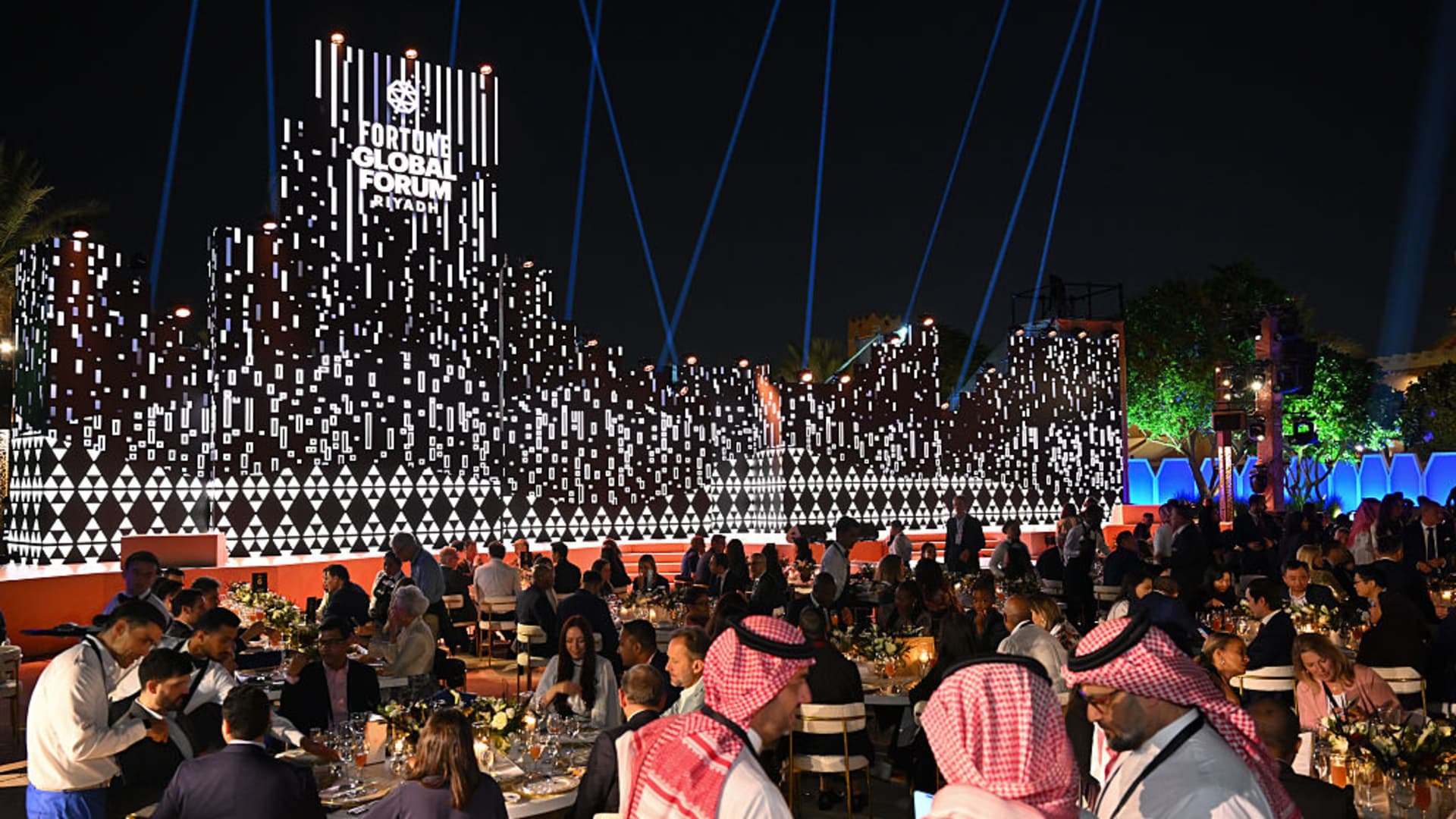
Investor interest in critical minerals from the Middle East is not a speculative fad; it’s driven by fundamental market demand. Experts highlight the “phenomenal” interest, particularly in rare earth elements, which are indispensable for high-tech applications. The surging growth in artificial intelligence (AI) and robotics is a significant catalyst. As AI capabilities expand and automation becomes ubiquitous, the demand for these specialized materials will skyrocket. Every advanced robot, every high-performance computing chip, and every sophisticated sensor relies on these elements. Analysts at New Frontier Minerals suggest we are “on the cusp of an AI boom,” predicting that “every robot is going to need these rare earths,” leading to an increasingly tight supply. This scarcity, coupled with the geopolitical implications of rare earths as a “key bargaining chip” in international trade, makes control over their supply and processing a strategic imperative for any nation looking to secure its economic future and technological independence. The Future Investment Initiative (FII) in Riyadh, often dubbed the “Davos in the Desert,” continues to serve as a vital forum where these diversification strategies, particularly into AI and critical minerals, are openly discussed and partnerships forged.
Navigating Volatility: A Timely Diversification Strategy
The strategic pivot towards critical minerals takes on added significance when viewed against the backdrop of current energy market volatility. As of today, Brent crude trades at $90.38, a sharp -9.07% decline within the day, with a wider range of $86.08-$98.97. Similarly, WTI crude is at $82.59, down -9.41%. This significant daily drop follows a substantial 14-day downtrend, seeing Brent fall from $112.78 on March 30th to today’s $90.38 – a nearly 20% depreciation in under three weeks. This kind of price fluctuation is precisely why our readers are asking critical questions like “what do you predict the price of oil per barrel will be by end of 2026?” and “What are OPEC+ current production quotas?” The answer, in part, lies in the diversification efforts. By building robust critical mineral supply chains and investing in related processing capabilities, Gulf states are creating alternative revenue streams that are less susceptible to the geopolitical whims and demand-supply imbalances plaguing traditional oil markets. This strategic hedging provides a crucial layer of economic resilience, mitigating the impact of hydrocarbon price swings and offering a more stable long-term growth trajectory.
Key Events and Investor Outlook
While the focus on critical minerals represents a long-term play, traditional energy events continue to shape the broader investment climate and underscore the rationale for diversification. Investors should closely monitor upcoming events, particularly the OPEC+ Joint Ministerial Monitoring Committee (JMMC) Meeting today, April 19th, followed by the full OPEC+ Ministerial Meeting tomorrow, April 20th. These gatherings will provide crucial insights into production policy, which could significantly impact near-term oil prices, further highlighting the volatility our readers are concerned about when asking about OPEC+ quotas. Additionally, weekly reports such as the API Crude Inventory (April 21st, April 28th) and the EIA Weekly Petroleum Status Report (April 22nd, April 29th) will offer granular data on market supply and demand. For our readers, these events are not just about short-term trading opportunities in crude; they are contextual reminders of why Middle Eastern capital is so aggressively seeking new frontiers. The ongoing push into critical minerals, characterized by targeted acquisitions and international partnerships, represents a forward-looking strategy that directly addresses the inherent uncertainties of the oil market, offering a compelling long-term investment narrative for those looking beyond traditional energy plays.