Regional trade disputes, often sparked by seemingly minor agricultural disagreements, can swiftly escalate into significant macroeconomic headwinds, directly impacting a nation’s energy security and fiscal stability. A recent escalating trade row between Malawi and Tanzania exemplifies this risk, posing a threat to critical commodity supply chains, including mineral fuels and refined petroleum products, and highlighting the precarious nature of foreign exchange liquidity in developing economies.
The Agricultural Spark: A Banana Dispute’s Wider Implications
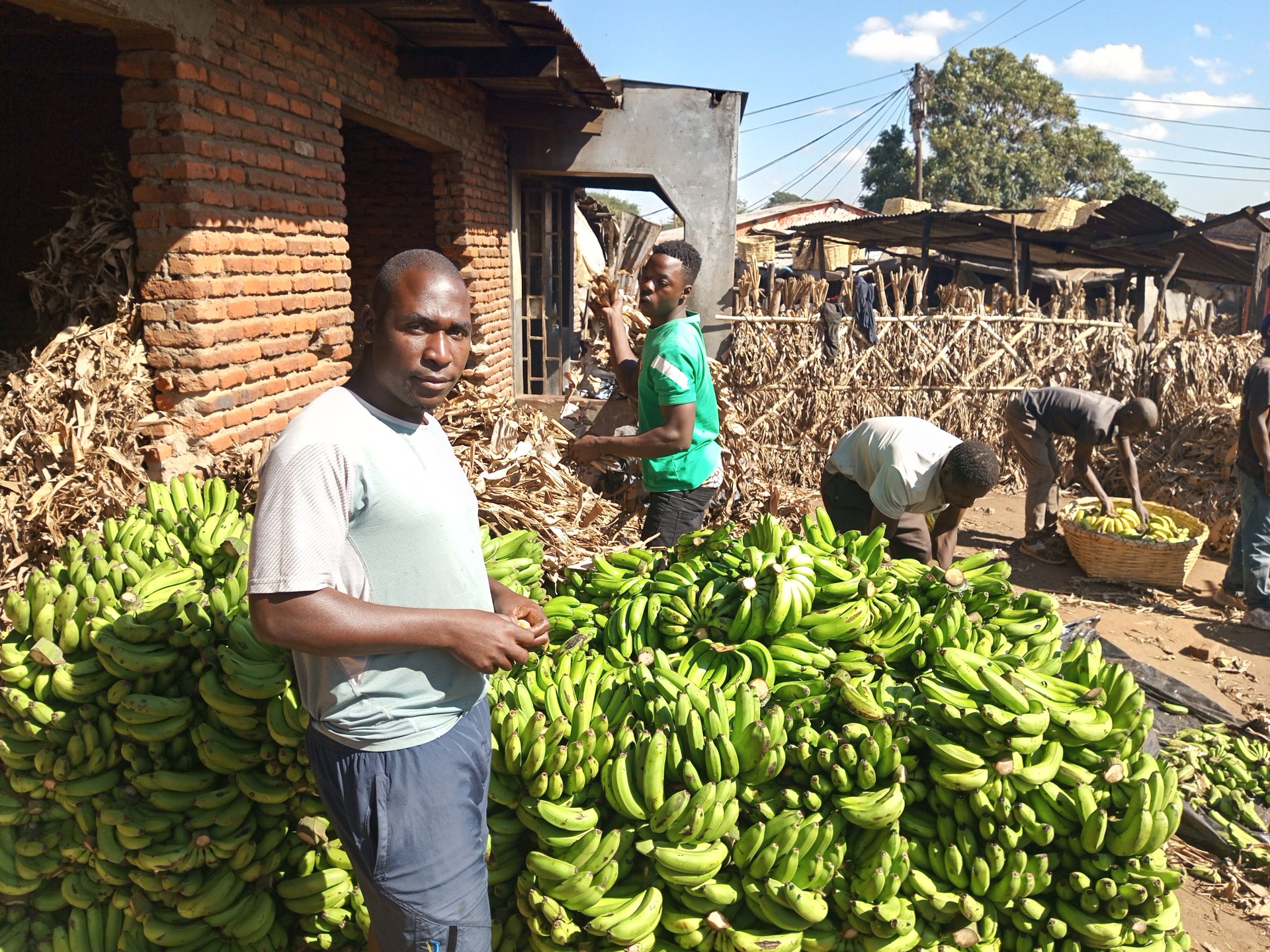
The current diplomatic friction originates from the banana trade, a vital agricultural sector for Malawi. For decades, individuals like Enock Dayton, a 30-year-old fruit vendor from Molele in Malawi’s southern Thyolo district, have relied on banana cultivation and sales for their livelihood. His stall at Lilongwe’s Mchesi market represents a small but significant part of Malawi’s food economy. However, the nation’s banana industry faced a catastrophic setback in 2013 when the virulent banana bunchy top disease decimated crops, forcing farmers to uproot plants and devastating hundreds of thousands. With bananas ranking as Malawi’s fourth most important staple, after maize, rice, and cassava, according to the Food and Agriculture Organization (FAO), the collapse of local supply created a substantial import dependency.
To sustain their businesses and meet domestic demand, Malawian traders increasingly turned to neighboring Tanzania for supplies. In 2023 alone, Malawi imported over $491,000 worth of bananas, with a staggering 5,564,180 kilograms (approximately 12,266,920 pounds) predominantly sourced from Tanzania. Smaller quantities arrived from South Africa and Mozambique. This reliance, however, set the stage for the current trade impasse.
Malawi’s Foreign Exchange Imperative and Import Restrictions
In March, Malawi’s government implemented a temporary ban on various agricultural imports, including bananas, from Tanzania and other nations. The stated rationale behind this bold move was twofold: to bolster struggling local industries and, critically, to address a severe foreign exchange shortage gripping the country. This scarcity of hard currency has significantly hampered Malawi’s ability to import essential goods, from pharmaceuticals to, crucially, energy commodities.
For investors monitoring emerging markets, a nation’s foreign exchange reserves and its capacity to service import needs are key indicators of economic health. Malawi’s decision, while aimed at domestic stabilization, inadvertently triggered a more expansive regional dispute, revealing underlying vulnerabilities in its trade relationships and overall economic framework. The challenge of securing essential foreign currency directly impacts a nation’s energy import capability, a fundamental concern for energy market participants.
Tanzania’s Retaliation and the Asymmetric Trade Balance
Malawi’s import ban was met with swift retaliation. In April, Tanzania prohibited the entry of all agricultural imports from Malawi, citing the restrictions placed on its own exports. This countermeasure also extended to South Africa, which has long maintained its own ban on Tanzanian banana imports. While such tit-for-tat actions are not uncommon in regional trade, the economic asymmetry between Malawi and Tanzania suggests that Malawi stands to lose considerably more in an extended dispute.
Data from the Observatory of Economic Complexity (OEC) paints a stark picture of this imbalance. Malawi’s exports to Tanzania, consisting primarily of soybean meal, soybeans, and dried legumes, total less than $50 million annually. Conversely, Malawi imports hundreds of millions of dollars worth of goods from Tanzania. A significant portion of these imports falls squarely into the energy and industrial sectors: mineral fuels, various oils, distilled products, lubricants, and cement. This heavy reliance on Tanzania for critical energy and industrial inputs underscores Malawi’s vulnerable position.
Energy Security and Broader Investment Risks
For oil and gas investors, the implications of this trade row extend far beyond agricultural produce. Malawi’s acute foreign exchange shortage directly threatens its capacity to procure essential mineral fuels, refined petroleum products, and lubricants from external markets, including Tanzania. Any disruption or increased cost in acquiring these vital commodities can have cascading effects on transportation, industrial operations, power generation, and overall economic productivity.
An inability to consistently import sufficient volumes of oil and refined products would cripple Malawi’s economy, driving up inflation, stifling business activity, and potentially leading to social unrest. The landlocked nation’s energy import dependency makes it particularly susceptible to regional supply chain disruptions and currency volatility. This situation highlights how seemingly localized trade spats can quickly transform into significant energy security concerns, influencing investor sentiment towards regional stability and fiscal prudence.
Furthermore, the broader extension of Tanzania’s ban, even to countries like South Africa with pre-existing restrictions, signals a more assertive stance on trade policy that could impact future regional agreements and supply chain reliability. Energy companies operating or considering investments in East and Southern Africa must closely monitor such developments, as they are indicative of the shifting political and economic landscape that can affect long-term project viability and returns.
Outlook for Regional Energy Markets and Investor Confidence
The Malawi-Tanzania trade dispute, originating from an agricultural commodity, serves as a potent reminder of the interconnectedness of regional economies and the critical role of foreign exchange stability in maintaining energy security. As the situation evolves, market participants will be watching for signs of de-escalation or, conversely, an intensification that could further strain Malawi’s ability to secure essential energy imports. The long-term implications for investor confidence in the stability of Sub-Saharan African trade relations and the resilience of commodity supply chains remain a key area of focus for the global oil and gas industry.