Geopolitical Tensions Escalate: Strait of Hormuz Risks Fuel Oil Market Uncertainty
The delicate balance of Middle Eastern stability hangs precariously, casting a long shadow over global energy markets as recent developments signal both potential de-escalation and persistent conflict. Investors are closely monitoring the unfolding situation, particularly its implications for critical oil and gas transit routes. While there are hints of diplomatic engagement between Israel and Lebanon, the ongoing hostilities, tragically claiming hundreds of lives, continue to underscore significant geopolitical risk for the global energy sector.
Prime Minister Benjamin Netanyahu of Israel has indicated a willingness to engage in discussions with Lebanon, a move acknowledged by US President Donald Trump, who suggested Israel might “low-key” its military operations in the war-stricken nation. This glimmer of dialogue offers a sliver of hope for easing regional tensions. However, Netanyahu simultaneously reinforced Israel’s unwavering resolve to confront Iran-backed Hezbollah in Lebanon. The conflict has reached a devastating intensity, with Wednesday witnessing the deadliest single day since hostilities erupted over a month ago, resulting in at least 303 fatalities and 1,150 injuries, according to the Lebanese Health Ministry. This grim toll from strikes targeting central Beirut and other regions paints a stark picture of the human cost.
Ceasefire Confusion and Regional Impact on Energy Flows
Adding layers of complexity, these intense strikes occurred merely hours after President Trump announced a ceasefire with Iran. Initially, Pakistani Prime Minister Shehbaz Sharif, a significant regional mediator, indicated the truce encompassed Lebanon. However, US and Israeli officials quickly refuted this claim, leading to considerable confusion. President Trump, following a conversation with Prime Minister Netanyahu, later informed NBC News that Israeli forces were indeed “scaling back” their activities in Lebanon. US Vice President JD Vance further corroborated this, stating Israel had committed to exercising restraint in Lebanon to facilitate upcoming talks. In line with these assurances, the Israel Defense Forces conducted fewer strikes on Thursday, though Netanyahu emphatically declared, “There is no ceasefire in Lebanon,” vowing continued action against Hezbollah until the security of northern Israeli communities is guaranteed.
The proposed talks, long advocated by Lebanon, aim to address the critical issues of disarming Hezbollah and forging a lasting peace accord with Israel. A US State Department official confirmed that the department anticipates hosting a meeting between Israel and Lebanon in the coming week to advance ceasefire negotiations. Lebanese President Joseph Aoun has stressed that a ceasefire followed by direct negotiations represents the sole viable path to resolution. For months, Lebanon has struggled to disarm the militant group, which steadfastly refuses to relinquish its substantial arsenal.
The Critical Nexus: Strait of Hormuz and Global Supply
The conflict’s genesis traces back to early March when Hezbollah launched attacks on Israel, claiming retaliation for the assassination of Iranian Supreme Leader Ayatollah Ali Khamenei. This act, Hezbollah asserted, was in response to a war initiated by Israel and the US against Iran on February 28. The current Israeli military incursions into Lebanese territory effectively terminated a prior ceasefire that followed a 2024 conflict with Hezbollah, a period during which the group’s military capabilities were reportedly significantly diminished. Since the latest outbreak of hostilities, the Lebanese Health Ministry reports a total of 1,888 lives lost across the nation. This prolonged fighting has also triggered a severe humanitarian crisis, displacing over one million people, nearly a fifth of Lebanon’s entire population, as Israel seeks to establish a security buffer zone extending approximately 30 kilometers (19 miles) north to the Litani River from its border.
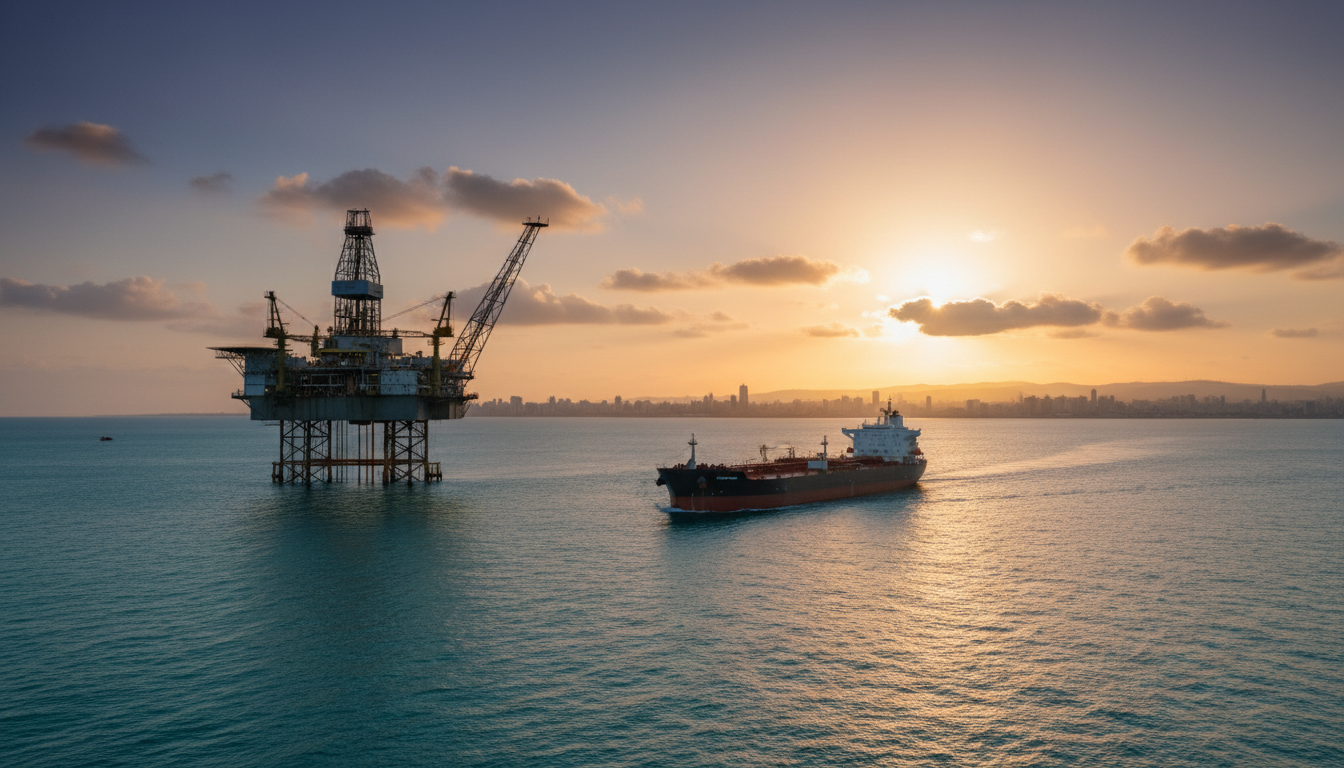
Crucially for energy investors, Iran has issued a stern warning: it could withdraw from its ceasefire agreement with the US if Israel persists with its campaign in Lebanon. This threat carries immense weight, particularly given the immediate impact observed on maritime trade. In response to the attacks, the passage of oil tankers through the Strait of Hormuz was temporarily halted. This choke point is arguably the most vital in global energy logistics, facilitating the transit of approximately one-fifth of the world’s crude oil and liquefied natural gas (LNG) supplies. Any prolonged disruption or escalation in this strategic waterway would trigger immediate and severe repercussions across global energy markets, sending crude oil futures soaring and significantly impacting LNG prices and shipping costs.
Investor Outlook: Navigating Volatility and Geopolitical Risk Premiums
President Trump, while expressing “optimism” regarding a potential deal with Iran, simultaneously issued a threat to Tehran concerning the imposition of fees in the Strait of Hormuz. This fluctuating rhetoric underscores the high stakes involved for global oil and gas supply chains. Further diplomatic efforts are underway, with Vice President Vance expected to spearhead the US delegation in discussions scheduled for Saturday in Islamabad, aimed at exploring a possible peace agreement with the Islamic Republic.
For oil and gas investors, the current environment demands heightened vigilance. The complex interplay of military actions, diplomatic overtures, and the explicit threats to critical shipping lanes introduces a significant geopolitical risk premium into energy prices. While talk of de-escalation offers a flicker of hope, the declared intentions of key actors, the ongoing casualties, and the direct impact on the Strait of Hormuz suggest that volatility will remain a defining characteristic of energy markets in the near term. Investors must carefully assess the potential for supply disruptions, increased shipping insurance costs, and the broader economic implications of prolonged instability in this critical oil-producing and transit region.