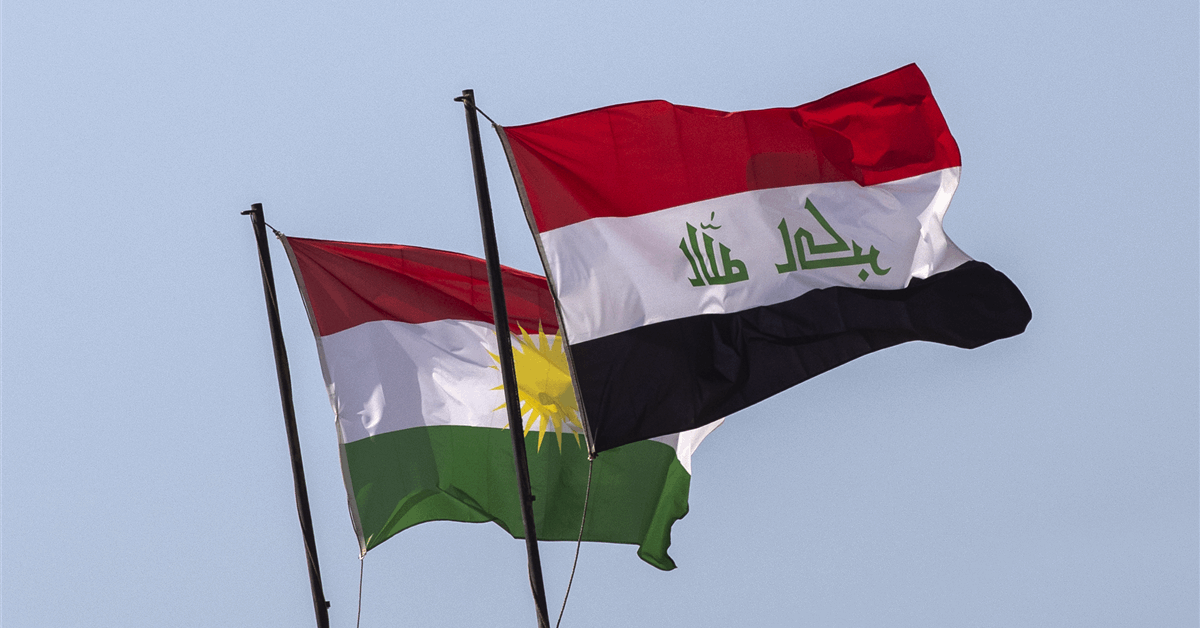
The global oil market is poised for a significant shift as an agreement to resume Kurdish oil exports from Iraq to Turkey nears finalization. After a two-year hiatus stemming from payment disputes and legal challenges, the imminent restart of the pipeline is set to introduce an initial 230,000 barrels per day (bpd) of crude back into international circulation. This fresh supply arrives at a critical juncture, with market sentiment already leaning towards a heavy surplus and key producing nations grappling with evolving demand dynamics. For energy investors, understanding the intricacies of this restart and its broader implications for pricing and strategic decisions by major players like OPEC+ is paramount.
The Return of Kurdish Crude: Unpacking the Deal
The protracted saga of Kurdish oil exports, which saw flows halted in March 2023, is finally drawing to a close. The dispute originated from an arbitration court’s ruling, obliging Turkey to compensate Iraq $1.5 billion, and was further complicated by financial disagreements between Baghdad and the Kurdistan Regional Government (KRG). While initial reports cited earthquake-related repairs for the pipeline shutdown, the underlying financial and legal hurdles proved more substantial. Now, Iraq, the KRG, and the involved international companies have reportedly reached terms, with final signatures anticipated as early as this week, paving the way for exports to commence shortly thereafter.
This resolution unlocks crucial revenue for Iraq, which has forfeited billions over the past two years due to the halted shipments. The agreement stipulates the KRG will transfer at least 230,000 bpd of oil to the state marketer SOMO, alongside 50,000 bpd designated for domestic use within the region. In a reciprocal move, Baghdad will release funds for KRG employee salaries, addressing a key point of contention. While the pipeline historically transported around 500,000 bpd, this initial tranche of 230,000 bpd represents a significant re-entry into the global supply matrix, signaling a potential path back to full capacity over time.
Market Headwinds: New Supply Meets Softening Prices
The reintroduction of Kurdish crude supply comes at a challenging time for crude prices, which have shown considerable weakness recently. As of today, Brent crude trades at $98.14 per barrel, reflecting a 1.26% decline, with its daily range fluctuating between $97.92 and $98.67. Similarly, WTI crude is down 1.78% at $89.55 per barrel, trading within a range of $89.38 to $90.26. This daily dip is part of a more pronounced bearish trend; our proprietary data reveals Brent has shed approximately $14, or 12.4%, over the past 14 days, falling from $112.57 on March 27th to $98.57 yesterday. This sharp correction underscores growing concerns about global demand deceleration and ample supply.
The additional 230,000 bpd from Kurdistan will exacerbate these supply-side anxieties. The market is already digesting the Organization of Petroleum Exporting Countries and its allies’ (OPEC+) gradual output revival alongside a widely anticipated slowdown in summer demand. Investors must consider how this incremental volume will be absorbed, particularly if global economic growth falters further. The immediate effect could be further downward pressure on benchmarks, impacting the profitability of producers and the value of crude futures. This situation demands careful monitoring of inventory levels and market sentiment in the coming weeks.
OPEC+’s Dilemma: Navigating New Supply Amid Quota Concerns
A recurring theme in investor queries, as highlighted by our reader intent data this week, revolves around OPEC+’s current production quotas and the factors driving crude prices. The imminent return of Kurdish oil exports directly impacts these very questions, creating a complex challenge for the alliance. With the Joint Ministerial Monitoring Committee (JMMC) meeting scheduled for April 17th, followed by the Full Ministerial meeting on April 18th, OPEC+ leadership faces a critical decision point. Will the alliance need to adjust its production strategy, perhaps by maintaining or even deepening existing cuts, to offset this new supply and stabilize prices?
The timing is crucial. The market will be closely watching for any signals from these upcoming meetings regarding production policy. Additionally, the weekly crude inventory reports – the API’s on April 21st and the EIA’s Petroleum Status Report on April 22nd – will provide the first tangible data on how global inventories are responding to this new supply alongside existing production levels. Should these reports indicate a build in stockpiles, it could reinforce the argument for more cautious supply management from OPEC+. Investors holding positions in crude futures or energy-sector equities should prepare for potential volatility driven by the interplay of these events and announcements.
Investment Implications: Strategic Shifts and Regional Opportunities
The restart of Kurdish oil exports carries significant investment implications beyond just crude prices. For Iraq, the resumption represents an economic lifeline, potentially recovering billions in lost revenue that can be funneled into its national budget and KRG salaries. This stability could improve the operating environment for international oil companies with interests in the region, potentially unlocking further investment and development opportunities that were on hold during the dispute.
However, the broader market impact requires a nuanced view. While 230,000 bpd is a fraction of global supply, its arrival during a period of market fragility could amplify price volatility. Investors should assess their exposure to companies heavily reliant on high crude prices or those with significant operations in other OPEC+ nations that might be pressured to shoulder further cuts. The resolution of this long-standing dispute also removes a layer of geopolitical uncertainty, allowing for a clearer focus on fundamental supply and demand drivers. As the flow of Kurdish crude resumes, market participants will gain better visibility into Iraq’s overall production capacity and its evolving role within the global energy landscape.


