Strategic Stakes in Europe’s Battery Future: What it Means for Oil & Gas Investors
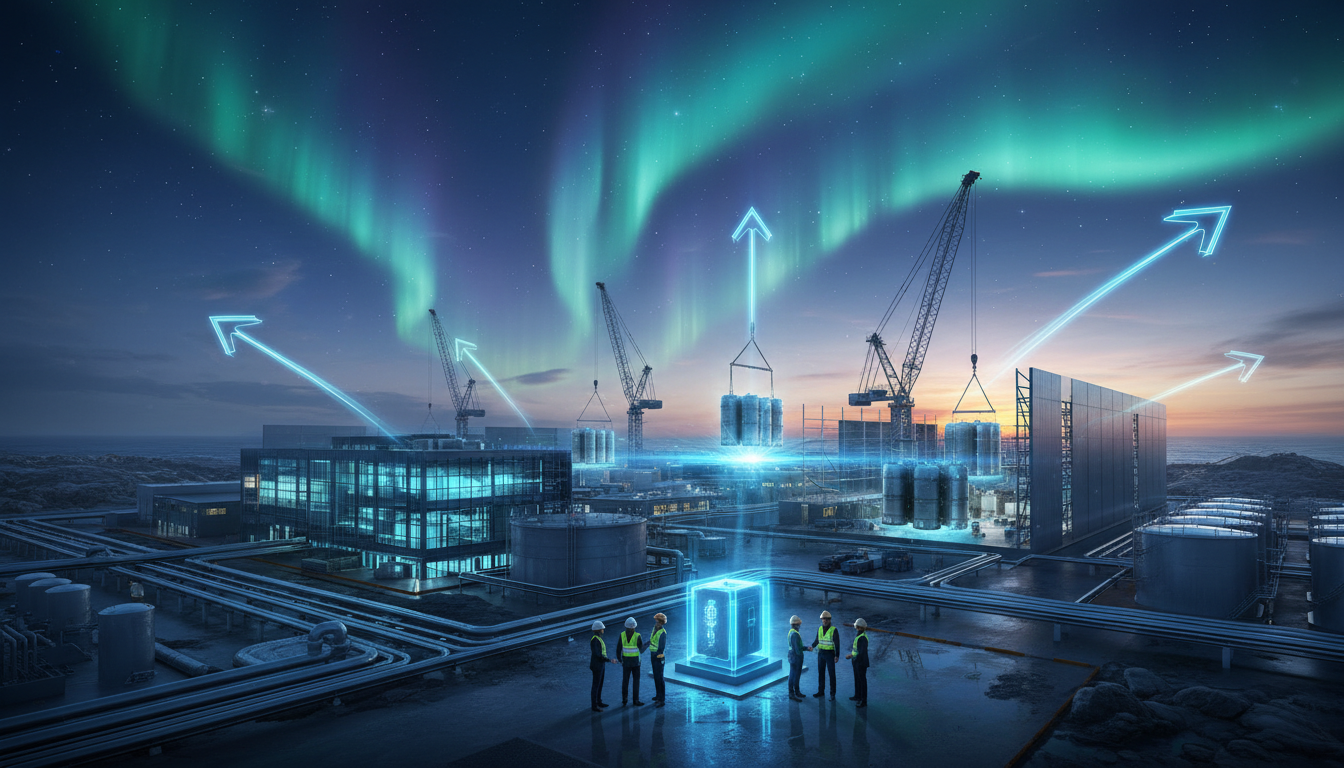
The energy landscape continues its rapid evolution, with significant capital flowing into segments positioned to underpin the global shift towards electrification. Recent developments in Finland highlight this trend, as LG Energy Solution, a titan in the battery sector, has acquired a minority stake in Easpring Finland New Materials. This entity is currently developing a critical Cathode Active Material (CAM) plant in Kotka, Finland, a move that reverberates beyond the immediate battery industry, holding nuanced implications for investors tracking the broader energy market, including the traditional oil and gas sector.
Finnish Minerals Group (FMG) has formalized an ownership agreement facilitating LG Energy Solution’s entry as a shareholder in Easpring Finland New Materials. This transaction saw LG Energy Solution acquire a 1.7% stake, while FMG’s ownership adjusted to 28.3%. Beijing Easpring Material Technology retains its majority position at 70%. Notably, the purchase price for the shares was consistent with what FMG originally paid, suggesting a strategic rather than purely financial motive behind LG Energy Solution’s involvement.
Cementing the European Battery Value Chain: A New Energy Nexus
This strategic investment by LG Energy Solution underscores a deepening commitment from key players towards establishing a robust and localized European battery value chain. For oil and gas investors, this signifies the accelerating pace of energy transition infrastructure development within key Western markets. The Kotka CAM plant is not just another manufacturing facility; it is a linchpin in Europe’s ambition to reduce reliance on external suppliers for critical battery components. It will feed cathode active material directly to facilities like LG Energy Solution’s colossal battery cell plant in Wrocław, Poland—currently the largest of its kind across the European continent.
Matti Hietanen, CEO of FMG, articulated the strategic importance of this partnership, emphasizing that LG Energy Solution’s shareholding validates the Kotka CAM project’s significance and its role in fortifying the European battery ecosystem. “Welcoming one of the world’s most advanced battery industry players as an owner of the Kotka facility marks a pivotal moment,” Hietanen noted, highlighting the project’s increasing credibility and strategic alignment with major end-users. For oil and gas financial professionals, such statements signal the intensifying competition for capital and resources between legacy energy projects and the burgeoning green energy infrastructure.
Energy Transition’s Footprint: Demand for Raw Materials and Logistics
While the immediate focus of this news is on battery materials, the broader implications for oil and gas investors are profound. The construction and operation of a massive CAM plant, along with the extensive mining and processing required for precursor materials, demands significant energy inputs. These often involve traditional energy sources, including natural gas for power generation and heavy-duty fuels for logistics and transportation of raw and finished materials across continents. Thus, the growth of the battery industry, paradoxically, can drive short-to-medium term demand for specific fossil fuel products and services, particularly within the industrial and transport sectors.
Furthermore, the establishment of sophisticated manufacturing hubs like Kotka necessitates complex supply chains. This creates opportunities and challenges for the existing infrastructure that oil and gas companies often utilize or even own – from specialized shipping to pipeline networks for industrial gases. Investors in energy infrastructure and midstream assets should closely monitor how these new industrial demands intersect with traditional energy logistics, potentially creating new revenue streams or requiring strategic adaptations.
Geopolitical Dynamics and Resource Security: An O&G Lens
The drive to build a domestic European battery supply chain also carries significant geopolitical weight, a factor consistently influencing oil and gas markets. Reducing dependence on materials from specific, often concentrated, geographical regions enhances supply security and mitigates risks associated with trade disputes or political instability. For oil and gas investors, this localized production narrative mirrors similar strategic discussions around energy independence and diversified supply routes for crude oil and natural gas. The underlying principle remains the same: secure access to vital resources, whether they are hydrocarbons or critical minerals for the energy transition.
The involvement of a major global battery producer like LG Energy Solution, a South Korean conglomerate, in a Finnish facility with Chinese (Beijing Easpring) and Finnish state backing (FMG) also showcases the multinational nature of capital and expertise flowing into the energy transition. This global collaboration, while diverse, still must navigate international trade frameworks and regulatory environments, presenting both opportunities for strategic partnerships and potential for policy-induced volatility – factors oil and gas investors are acutely familiar with.
Investment Horizon: Diversification and Adaptation for Oil & Gas
For investors focused on oil and gas, developments in the battery sector serve as a crucial barometer for the pace and direction of the global energy transition. It highlights where significant capital is being deployed and where future energy demand drivers are shifting. While direct investment into battery plants might not be the immediate strategy for most oil and gas portfolios, understanding the scale of this new industry is vital for assessing long-term demand for traditional fuels, identifying potential diversification avenues, and recognizing the evolving competitive landscape for energy capital.
Forward-thinking oil and gas companies are already exploring roles in the wider energy transition, whether through carbon capture technologies, hydrogen production, or even venturing into critical mineral extraction and processing. The Kotka project is a microcosm of a larger trend: the industrialization of the green energy economy. Oil and gas investors must therefore analyze these seemingly peripheral developments, not in isolation, but as integral components of the macroeconomic forces shaping the future energy mix and influencing the enduring value of traditional energy assets.
The continued strategic investments in European battery manufacturing signal a robust build-out of infrastructure designed to support electric vehicle growth and renewable energy storage. This fundamental shift necessitates a keen eye from oil and gas investors, who must weigh the implications for global energy demand, commodity markets, and the strategic positioning of their portfolios in a world increasingly powered by electrons, not just molecules.