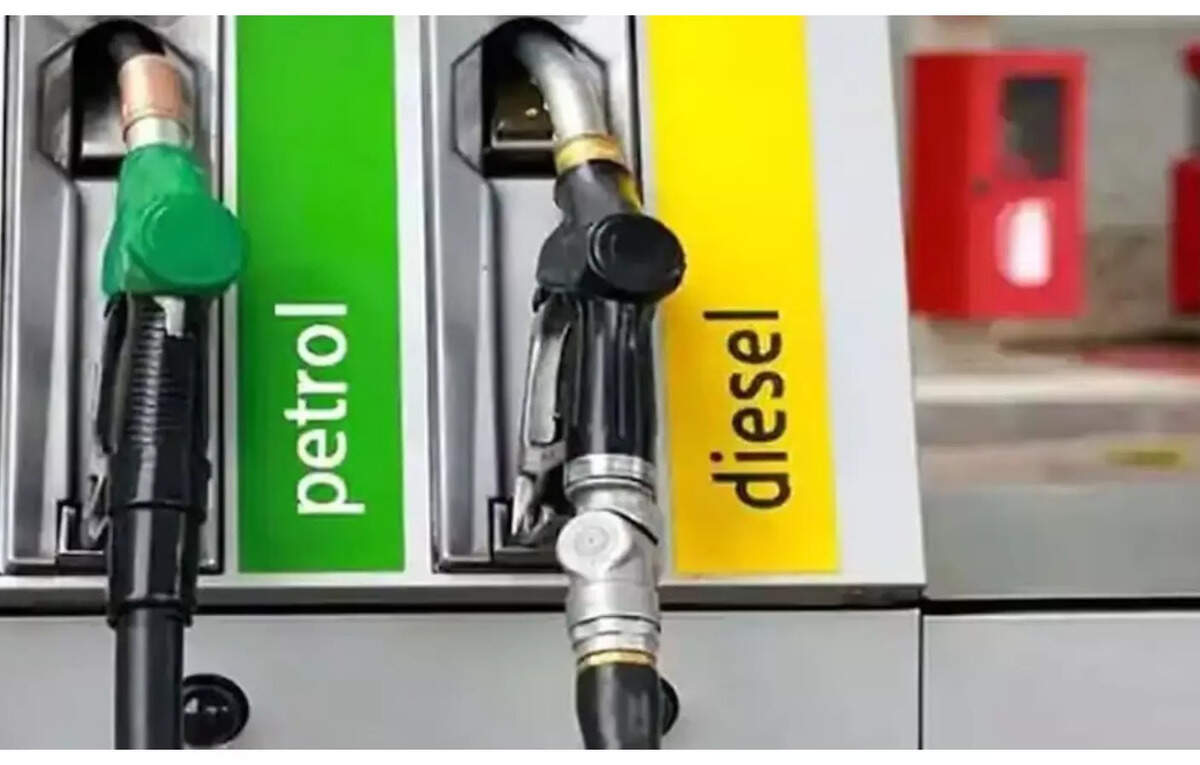
Kolkata Fuel Prices Climb Amidst OMC Basic Price Adjustments
Investors closely monitoring India’s dynamic energy landscape witnessed a targeted upward revision in fuel prices across Kolkata, effective May 12. Oil marketing companies (OMCs) implemented a marginal hike, adjusting the fundamental cost of refined products, which now sees petrol retailing at ₹105.41 per litre and diesel at ₹92.02 per litre within the city.
This latest recalibration translates into a 40 paise per litre increase for petrol consumers and a 20 paise per litre rise for diesel users in the West Bengal capital. The move underscores the intricate mechanisms governing fuel pricing in a market influenced by both global crude dynamics and localized operational factors, presenting a nuanced picture for stakeholders assessing the profitability and market strategies of OMCs operating in the region.
Unpacking the OMCs’ Pricing Mechanism
The adjustments stem from a periodic review and modification of the ‘basic price’ by leading oil marketing companies. This foundational price represents the cost of fuel before the imposition of various central and state levies, serving as a critical benchmark for the industry. OMCs meticulously evaluate a spectrum of operational and logistical elements – including refining costs, transportation expenses, storage overheads, and distribution network efficiencies – to determine this basic price.
While often appearing as minor, these incremental changes directly influence the final retail price paid by millions of consumers and and, crucially, impact the revenue streams and gross refining margins (GRMs) of the OMCs. For investors, understanding these internal adjustments is paramount, as they reflect the companies’ ability to manage costs and maintain profitability amidst fluctuating market conditions and regulatory frameworks. The OMCs’ agility in optimizing their supply chain and distribution networks often dictates their competitive edge and financial performance in various regional markets across the subcontinent.
Regional Disparities: A Patchwork of Price Movements
The recent price revisions reveal a distinct regional divergence in India’s fuel market. While Kolkata experienced an uptick, the eastern city of Patna, for instance, witnessed a noteworthy 60 paise per litre reduction in diesel prices during the same period. Conversely, other eastern states reported no change in their fuel prices, maintaining stability for consumers and indicating a varying degree of competitive intensity or localized cost structures across these geographies.
Such regional discrepancies highlight the decentralized nature of fuel pricing decisions and the impact of local market dynamics, including state-specific taxation policies, freight costs, and the competitive landscape among different fuel retailers. For investors, these variations are critical indicators of regional market strength and potential challenges for OMCs. Analyzing these localized movements provides deeper insights into the operational complexities and strategic imperatives that drive pricing strategies, influencing market share and profitability across diverse consumer bases. The ability of an OMC to navigate these regional nuances effectively can significantly bolster its overall market position and financial health.
Global Crude Stability vs. Domestic Inflationary Pressures
This latest price adjustment in Kolkata occurs against a backdrop of relatively stable global crude oil prices. Typically, a quiescent international crude market might suggest a period of price stability at the pumps. However, the domestic situation is further complicated by persistent concerns surrounding consumer inflation.
The OMCs’ decision to raise prices locally, even with stable global crude, suggests that internal cost pressures, logistical challenges, or strategic margin management are at play. Investors should recognize that while global benchmarks like Brent and WTI provide a macro context, local factors often dictate retail fuel prices in India. The interplay between international commodity costs, domestic operational expenses, government levies, and the imperative to manage inflationary expectations creates a complex environment for OMCs.
The continued focus on consumer inflation by economic policymakers also means that OMCs operate under a constant spotlight, balancing commercial viability with broader economic stability. This delicate equilibrium requires sophisticated forecasting and risk management strategies from these companies, directly influencing their financial outlook and investor confidence. The ability to pass on costs without triggering significant public outcry or government intervention remains a key challenge and a determinant of long-term profitability.
Investment Outlook: Navigating India’s Fuel Market
For investors focused on the Indian oil and gas sector, these localized price adjustments in Kolkata serve as a pertinent reminder of the multifaceted factors influencing OMC valuations. While the headline figures for petrol and diesel prices are essential, a deeper dive into the underlying ‘basic price’ mechanisms, regional disparities, and the broader economic environment is crucial.
The market continues to demand astute management from OMCs, balancing the need for operational efficiency with the imperative of strategic pricing. Investors should continue to monitor quarterly earnings reports, paying close attention to gross refining margins, inventory gains or losses, and segment-wise revenue performance to gauge the impact of these pricing strategies. Furthermore, any shifts in government policy regarding fuel subsidies or taxation will inevitably reshape the operational landscape for these companies. The Indian fuel market, characterized by its scale and complexity, offers both significant opportunities and distinct challenges for those seeking exposure to the nation’s energy growth story.
As of May 13, 2025, the market continues to process these localized movements, underscoring the dynamic nature of energy investment in one of the world’s largest and fastest-growing economies.


