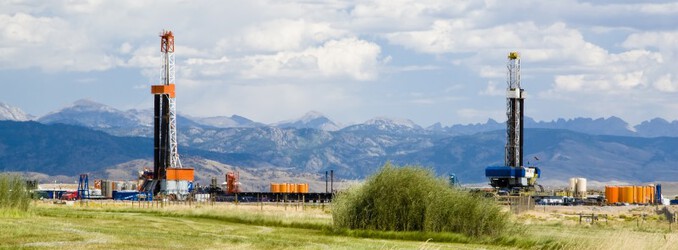
Japan Petroleum Exploration Co., Ltd. (JAPEX) is making a definitive statement about its long-term growth strategy, signaling a profound expansion into the robust U.S. tight oil and gas sector. The approval to acquire all equity interests in Verdad Resources Intermediate Holdings LLC represents a transformative move, set to materially strengthen JAPEX’s production and reserves base in North America. This transaction, executed via Peoria Resources Acquisition Company, LLC, positions JAPEX to nearly double its net production and roughly triple its proved reserves, establishing an operator-led business in the highly competitive Denver-Julesburg basin and southeastern Wyoming. For investors tracking global energy shifts, this acquisition underscores JAPEX’s commitment to disciplined growth within established unconventional basins, promising a significant recalibration of its earnings profile and strategic footprint.
JAPEX’s Strategic Push into North American Unconventionals
JAPEX’s decision to acquire substantial U.S. tight oil and gas assets is a direct execution of its strategy to deepen its upstream presence in North America. The assets, primarily concentrated in the prolific Denver-Julesburg basin in northeastern Colorado with additional interests in southeastern Wyoming, are poised to become a cornerstone of JAPEX’s global portfolio. This move is not merely an investment; it’s a strategic pivot towards operational control, with Peoria Resources set to lead production and development activities directly. The company anticipates a substantial uplift, projecting net production to approximately double and proved reserves to increase by roughly threefold. This scale of expansion is significant, setting the stage for continuous development of these assets from 2026 well into the early 2030s. The integration of approximately 50 personnel, including experienced operational staff, and management roles filled by industry veterans from major E&P companies like BP, highlights JAPEX’s commitment to leveraging established expertise for efficient and effective operations in this highly technical sector.
Navigating Market Volatility: A Long-Term Bet Amidst Price Swings
JAPEX’s aggressive expansion comes at a fascinating juncture in the global energy markets. As of today, Brent Crude trades at $91.87, experiencing a sharp decline of 7.57% within the day, with its range fluctuating between $86.08 and $98.97. Similarly, WTI Crude has seen a significant dip to $84, down 7.86%, moving between $78.97 and $90.34. This immediate volatility is reflective of a broader trend; Brent crude has fallen by 18.5% over the past 14 days, plummeting from $112.78 on March 30th to its current level. While such short-term price movements might typically give pause to new acquisitions, JAPEX’s strategy appears to be anchored in a long-term view that transcends immediate market fluctuations. The company’s intention for continuous development through the early 2030s suggests a belief in the fundamental value and sustained demand for hydrocarbons over the coming decade. By securing substantial proved reserves and production capacity now, JAPEX is positioning itself to capitalize on future market upswings while building a resilient earnings base designed to withstand periods of price softness, rather than reacting to them.
Operational Blueprint and Upcoming Industry Catalysts
The operational framework for these newly acquired assets is clear: Peoria Resources will spearhead development, establishing an operator-led model that ensures direct control over the assets. JAPEX’s plan for continuous development starting in 2026 and extending into the early 2030s indicates a systematic approach to maximizing value from these tight oil and gas resources. This forward-looking operational strategy is particularly relevant when considering the broader industry calendar. Investors keenly watch upcoming events that could influence the operating environment and commodity prices. For instance, the OPEC+ Ministerial Meeting scheduled for tomorrow, April 18th, could introduce shifts in global production quotas, directly impacting sentiment and price trajectories. Furthermore, the regular API Weekly Crude Inventory reports on April 21st and April 28th, along with the EIA Weekly Petroleum Status Reports on April 22nd and April 29th, will offer critical insights into U.S. supply-demand dynamics, which are directly pertinent to JAPEX’s tight oil and gas operations. The Baker Hughes Rig Count on April 24th and May 1st will further illuminate drilling activity trends, providing context for JAPEX’s planned continuous development and capital allocation in the U.S. basins. These industry-wide indicators will be crucial for JAPEX as it scales up its development activities, potentially influencing drilling programs and capital expenditure decisions in the coming years.
Addressing Investor Concerns: Long-Term Value in a Shifting Landscape
Amidst a volatile market, investors are constantly seeking clarity on future trajectories. A recurring question from our readers this week, for instance, revolves around oil price predictions: “what do you predict the price of oil per barrel will be by end of 2026?” JAPEX’s strategy offers a compelling response to this uncertainty. By focusing on a significant increase in proved reserves and operational control in a mature, established unconventional basin, JAPEX is building intrinsic value that aims to be less susceptible to short-term speculative price movements. While no investment is immune to commodity price fluctuations, a tripling of proved reserves provides a substantial long-term asset base. Another frequently asked question, “What are OPEC+ current production quotas?”, highlights the geopolitical and supply-side factors that influence crude prices. JAPEX’s move into U.S. tight oil and gas, a basin less directly influenced by OPEC+ decisions than some international plays, offers a degree of strategic diversification. The company’s emphasis on strengthening its long-term earnings base through disciplined growth, alongside exploring future opportunities like gas development, potential LNG collaboration, and the application of carbon capture expertise, underscores a holistic approach to value creation. This strategic foresight aligns with investor interest in sustainable growth and resilient returns, even as the energy landscape continues to evolve.