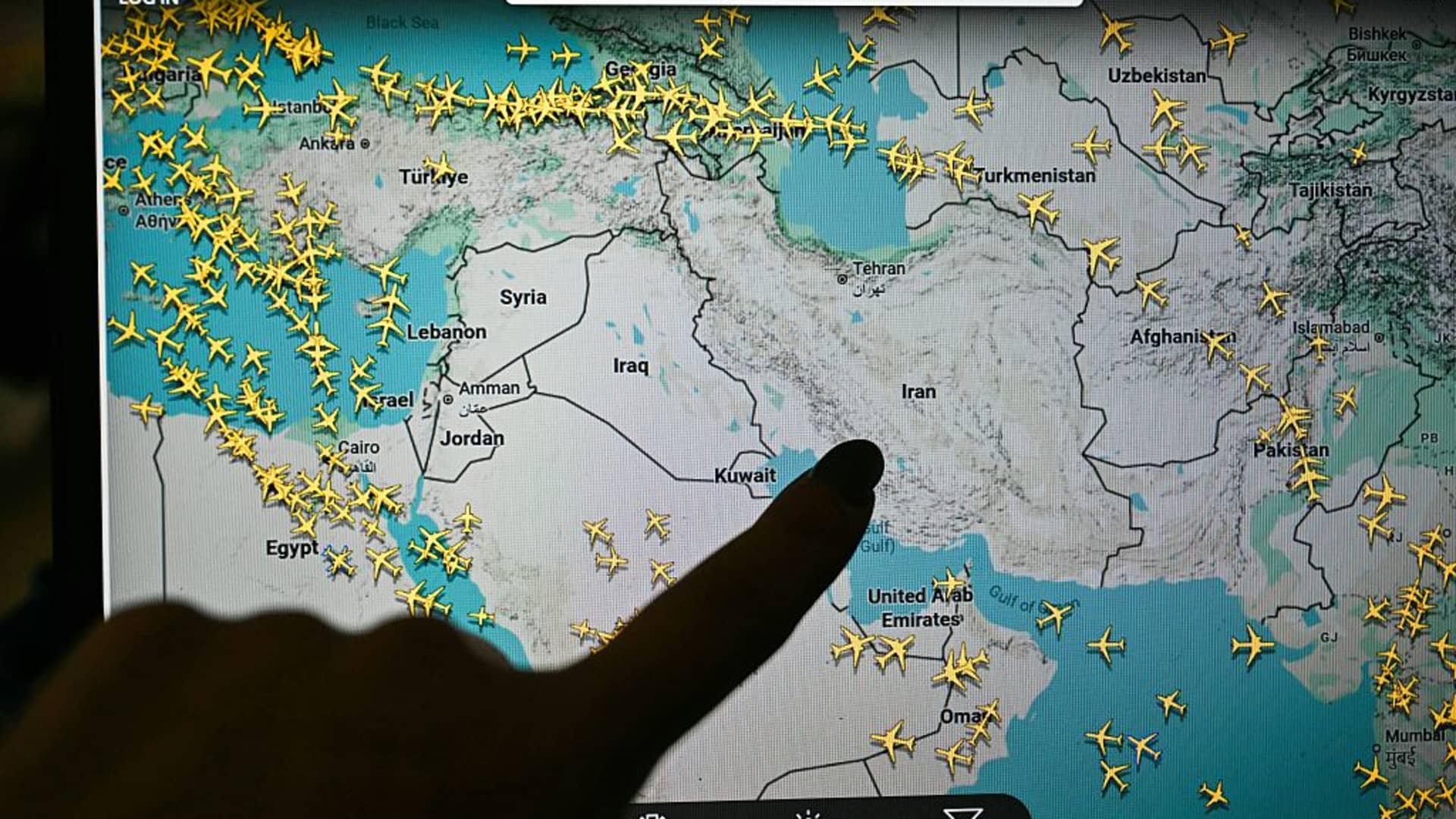
The geopolitical landscape of the Middle East has once again dramatically reshaped the global oil market, embedding a significant risk premium into crude prices. Following sustained military actions by the U.S. and Israel against Iranian and Hezbollah targets, the specter of regional conflict has directly impacted supply perceptions, causing a notable recalibration in investor sentiment. What began as an “overwhelming military offensive”—dubbed Operation Epic Fury by President Trump—has evolved into a complex situation where the threat to vital shipping lanes and energy infrastructure dictates market dynamics. Investors are now navigating an environment where geopolitical tensions are the primary driver, demanding a clear understanding of both immediate market reactions and forward-looking catalysts.
The Strait of Hormuz: A Volatile Lifeline
The recent escalation of hostilities, including fresh Israeli strikes on Iran and Hezbollah positions in Lebanon, has thrust the security of global oil supplies into sharp focus. Central to this concern is the Strait of Hormuz, a critical maritime chokepoint through which an astounding 13 to 15 million barrels of oil—representing approximately 20% of the world’s daily supply—transits. While a complete closure of the Strait is often deemed unlikely due to the superior military capabilities of the U.S. and its allies, the market’s primary anxiety stems from the increased likelihood of isolated attacks on commercial vessels.
Indeed, reports of three tankers being struck over the weekend have immediately heightened caution among shippers. The logistical challenge for major Asian refiners, heavily reliant on Middle Eastern crude, has become a pressing concern. While some regional producers, such as Oman and certain UAE grids, offer bypass options, and Saudi Arabia maintains its East-West pipeline to the Red Sea, these alternatives are far from a complete solution. Experts estimate that even with these contingency plans, only about 5 million barrels per day (bpd) could be rerouted, leaving a substantial 10 million bpd still vulnerable to disruption within the Strait. This persistent vulnerability underscores the inherent risk in the current geopolitical climate, fundamentally altering the risk-reward calculus for oil transportation and pricing.
Market Response and Current Valuations
The initial surge in oil prices following the commencement of Operation Epic Fury demonstrated the market’s immediate sensitivity to geopolitical risk. As of today, Brent crude trades at $93.83, reflecting a modest daily increase of 0.63%, within a range of $93.52 to $94.21. U.S. West Texas Intermediate (WTI) crude stands at $90.43, up 0.85% today, fluctuating between $89.71 and $90.70. These price levels, while showing relatively stable intraday movement, signify a substantial geopolitical risk premium now embedded in the market.
It is crucial to contextualize these figures within recent market movements. While Brent crude experienced a notable correction from its recent peak of $118.35 on March 31st down to $94.86 by April 20th, the current trading range around $93-$94 clearly indicates that the market has absorbed the initial shock of the escalation. Despite the prior dip from its higher peak, the sustained elevation of prices at these levels, well above pre-conflict expectations, underscores the market’s sensitivity to ongoing instability. The current prices reflect a new equilibrium where the ongoing conflict and the constant threat to supply chains are primary considerations. Gasoline prices, currently at $3.13 and holding steady today, further illustrate the pass-through of higher crude costs to refined products, impacting consumers and broader economic inflation concerns.
Navigating the Future: Key Catalysts and Investor Concerns
The oil market remains in a state of heightened anticipation, with several key events on the horizon that could provide further direction. Tomorrow, April 21st, the OPEC+ Joint Ministerial Monitoring Committee (JMMC) Meeting will be a critical watchpoint. Any indication from this influential group regarding supply strategy adjustments in response to the escalating Middle East tensions could significantly sway prices, particularly if concerns over global supply disruptions prompt a shift in production quotas.
Beyond OPEC+, a steady stream of data will offer insights into market fundamentals. The EIA Weekly Petroleum Status Report, scheduled for April 22nd and again on April 29th, will provide vital information on U.S. inventory levels, refining activity, and demand trends. Similarly, API Weekly Crude Inventory data, due on April 28th and May 5th, will offer a granular look at crude and product stocks. On the supply side, the Baker Hughes Rig Count (April 24th and May 1st) will signal North American production trends, while the EIA Short-Term Energy Outlook on May 2nd will present a broader, agency-level forecast that could guide expectations for the coming months. These reports, alongside evolving geopolitical developments, are the pieces investors need to construct a robust outlook.
Our proprietary reader intent data highlights the widespread uncertainty pervading the investment community. Common queries like “is WTI going up or down?” and “what do you predict the price of oil per barrel will be by end of 2026?” underscore the urgent need for clarity on oil’s trajectory. This direct feedback from our audience confirms that while the immediate impact of the conflict is understood, the longer-term implications for price direction and stability are paramount for investment decisions.
Investment Implications and Outlook
For investors, the current environment demands a strategic and agile approach. The sustained geopolitical risk premium means that traditional supply-demand fundamentals are now heavily overlaid with security concerns. While the market currently prices in the risk of isolated vessel attacks and supply disruptions, the ultimate “black swan” scenario—a direct attack on major energy infrastructure—remains a significant, albeit lower probability, tail risk. Should such an event occur, the market consensus suggests crude prices could surge well past the $100 per barrel mark, given the stakes involved in securing critical energy assets.
Considering the volatility, energy sector investments are likely to remain elevated, particularly for companies with strong balance sheets and diversified operations that can weather supply chain disruptions. Geographically hedged portfolios, or those with exposure to non-Middle Eastern production, may offer a degree of insulation. As the conflict unfolds, the interplay between OPEC+ decisions, U.S. inventory data, and the unpredictable nature of regional hostilities will define market movements. Investors should remain vigilant, continuously assessing the risk landscape and preparing for potentially swift market shifts as these critical events unfold over the coming weeks and months.