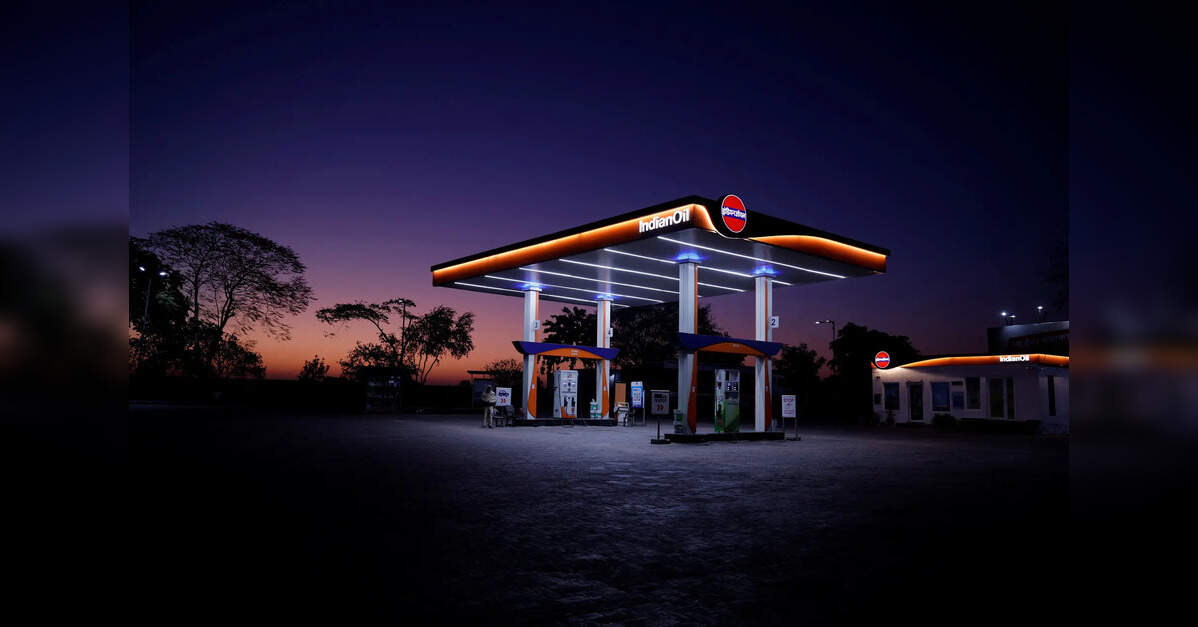
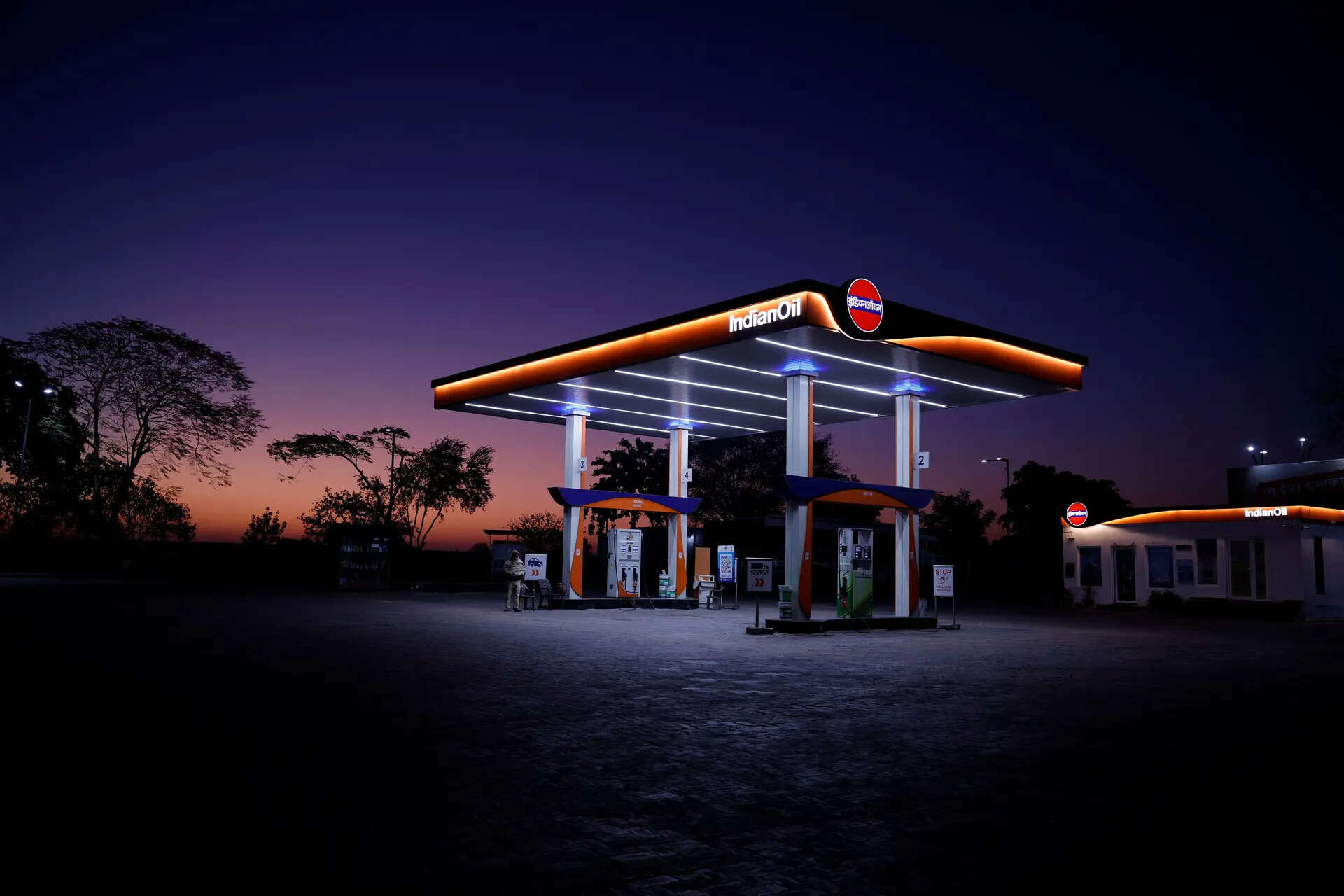
Indian Oil Corporation (IOC) is expanding its fuel retail network into multi-energy hubs, using data analytics and customer insights to guide the rollout of cleaner fuels such as CNG, EV charging and biofuels alongside conventional petrol and diesel, its Director – Marketing, Saumitra Srivastava, said at India Energy Week 2026 in Goa on Thursday.
Speaking on the sidelines of the event, Srivastava said that IOC’s wide physical footprint — spanning about 40,800 fuel stations and more than 60,000 customer touchpoints — allows the company to translate national energy priorities on affordability and transition into everyday consumer choices.
“Our fuel stations are evolving into multi-energy hubs,” Srivastava said, adding that IOC uses transaction-level data and backend analytics to determine the appropriate mix of fuels and services at each outlet, complemented by on-ground feedback from marketing teams.
He noted that fossil fuel demand continues to grow, with diesel demand rising by around 2 per cent and petrol by about 6 per cent, but said growth in alternative fuels and cleaner energy sources is significantly higher. Srivastava said this diversification is shaping IOC’s retail strategy as energy demand continues to increase.
On capacity expansion, he said that IOC is increasing its refining capacity from about 80 million metric tonnes to around 98 million metric tonnes in the next year. He said that higher domestic retail sales help improve margins compared with exports, where realisations are lower, underlining the importance of retail-focused marketing and customer retention strategies.
As electric vehicle adoption gains pace, Srivastava said IOC is deploying high-speed EV chargers — including 60 kW and 120 kW units — particularly along highways, enabling 60–70 per cent charging in about 30 minutes. He added that IOC is also expanding its CNG network in line with the government’s target to raise the share of natural gas in India’s energy basket from about 6 per cent to 15 per cent.
Srivastava said IOC aims to reposition itself over the next five to six years as a customer-centric, integrated energy services company rather than only a fuel supplier.
He said the company plans to deepen digital engagement, expand value-added services and redesign retail outlets to meet a broader range of customer needs beyond fuel.