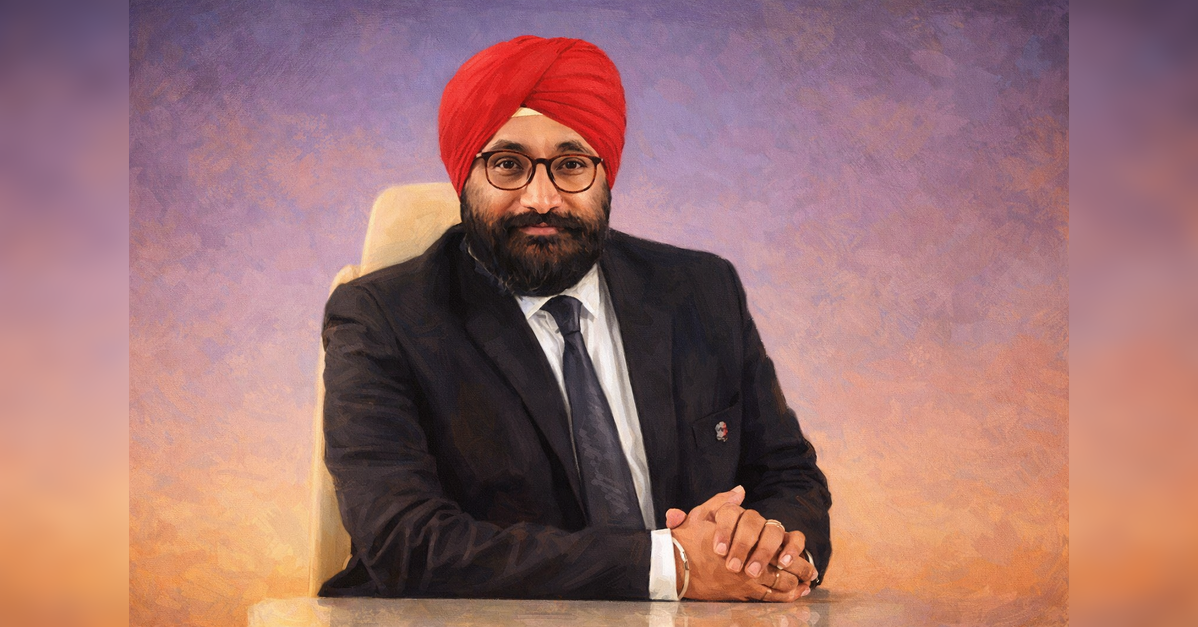
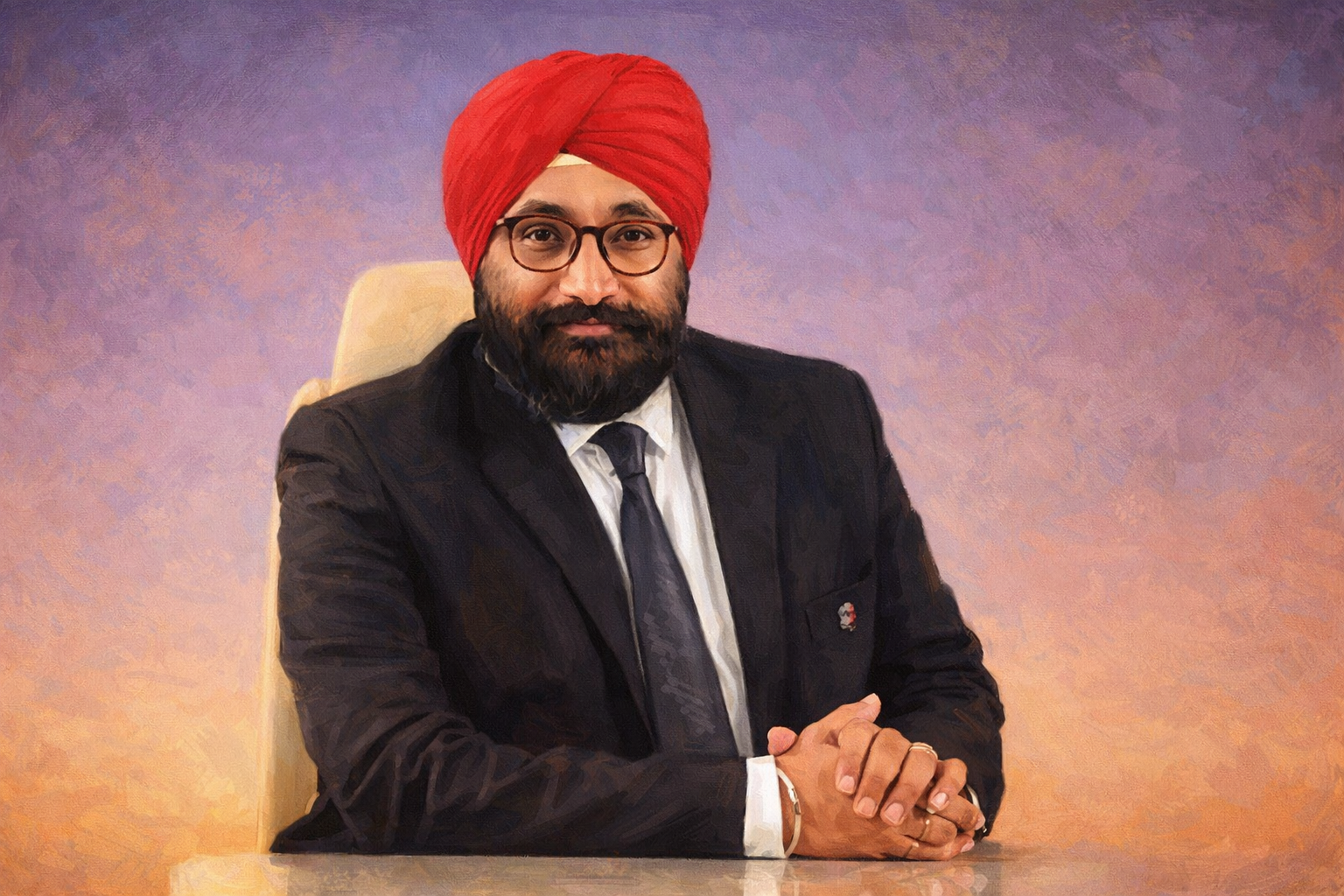
Indian Oil Corporation (IOC) is positioning itself as a comprehensive energy provider as India’s energy demand is expected to at least double over the next 10–15 years, even as conventional fuels continue to grow alongside cleaner and transition energy sources, A S Sahney, Chairman, IOC, said at India Energy Week 2026 in Goa on Thursday.
Speaking in an interview on the sidelines of the event, Sahney said that IOC’s long-term identity is evolving beyond that of a traditional oil major to that of a broad-based energy company. He said IOC currently supplies around 9 per cent of India’s total energy demand and is aiming to raise this share to about 12 per cent in the coming years.
“With the kind of growth India is seeing, the country’s energy requirement will at least double over the next 10 to 15 years. To even maintain our current share, we will need to double our energy offerings — and that cannot be achieved through conventional fuels alone,” Sahney said.
He said IOC is expanding its portfolio to include cleaner and lower-carbon energy options such as biofuels, gas and other transition fuels, alongside liquid fossil fuels. According to Sahney, India’s growth trajectory does not allow for a shift away from any single form of energy, and all fuels will need to coexist to meet rising demand.
On concerns around long-term demand erosion for refining assets, Sahney said consumption of petroleum products in India continues to grow, with petrol demand rising at around 5 per cent, diesel at 2–3 per cent and aviation turbine fuel at 8–9 per cent. He said India is still several years away from peak oil demand, which is unlikely to occur before 2035, followed by a prolonged plateau.
“We are not worried about utilisation of the refinery capacities we have built. These investments are based on detailed assessments of future consumption,” he said.
He said IOC is focused on developing ecosystems rather than manufacturing all technologies in-house, particularly in green hydrogen. The company is working on use cases to build confidence among consumers and industry, enabling eventual supply at scale.