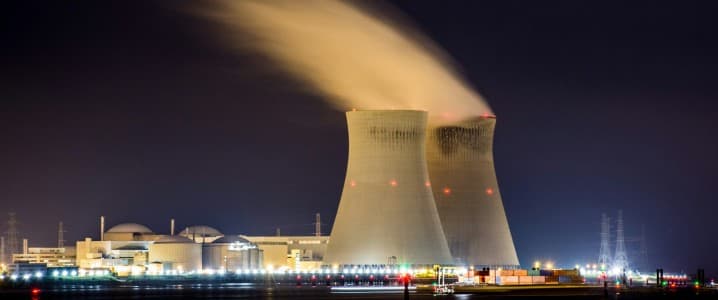
India’s ambitious energy transition strategy is taking a significant turn, with the nation signaling a profound commitment to expanding its nuclear power generation capacity. This strategic pivot, involving a dramatic increase from 9 gigawatts (GW) today to a staggering 100 GW by 2047, is not merely an internal energy policy shift; it represents a potentially seismic long-term structural change for global energy markets, particularly for natural gas. The government’s contemplation of ending the state monopoly on uranium fuel procurement, allowing private and potentially foreign companies to mine, process, and import this crucial resource, alongside other policy reforms, suggests a serious intent to accelerate nuclear deployment. For oil and gas investors, the central question emerges: will this aggressive nuclear build-out significantly curtail India’s future natural gas demand trajectory, especially for liquefied natural gas (LNG) imports, and what are the implications for long-term portfolio strategy?
India’s Nuclear Gambit: A Structural Shift in Energy Supply
India’s drive to achieve 100 GW of nuclear power capacity by 2047, aiming to meet 5% of its surging electricity demand, represents a formidable commitment to decarbonization and energy independence. This target, outlined in the federal budget earlier this year, highlights nuclear energy as a core pillar of the nation’s energy mix, significantly diversifying away from its current reliance on coal for over half of its power generation. To realize this vision, the government is actively considering monumental policy shifts. Key among these is the proposal to open uranium fuel procurement to private companies, potentially including foreign players, necessitating amendments to at least five existing laws governing the power sector and foreign investments. Furthermore, the government is exploring allowing foreign companies to hold up to a 49% stake in domestic nuclear power plants and, critically, removing an unlimited liability clause in its nuclear energy laws. This latter move is a clear signal to attract major international firms, especially from the U.S., by mitigating investment risk. These are not minor adjustments; they are foundational reforms designed to unlock significant private and foreign capital, accelerating the construction and operation of nuclear facilities on an unprecedented scale. Investors should view these policy considerations as early indicators of a profound, long-term structural shift in one of the world’s largest and fastest-growing energy markets.
The Direct Impact on Future Natural Gas Demand
The implications of India’s nuclear expansion for natural gas demand are substantial and warrant close attention from investors in the LNG and gas infrastructure sectors. As a rapidly developing economy with immense energy needs, India has often been projected as a key growth market for natural gas, particularly LNG imports, to complement renewables and coal. However, a successful deployment of 100 GW of nuclear capacity by 2047 could significantly alter this outlook. Each gigawatt of nuclear power that comes online represents baseload electricity generation that would otherwise need to be met by other sources, including coal, but increasingly by natural gas in a decarbonizing world. The consistent, carbon-free output of nuclear plants could displace potential future gas-fired power generation, curbing the growth trajectory of India’s domestic gas consumption. While the country’s overall energy demand is projected to rise dramatically, nuclear’s expanded role could mean that gas’s share of the power mix grows slower than previously anticipated, or even plateaus in certain scenarios. This perspective helps address a common investor query we’ve noted this week: “What’s driving Asian LNG spot prices this week?” While current spot prices are influenced by immediate supply-demand imbalances, weather, and geopolitical events, the long-term structural shifts in major importing nations like India will ultimately define the enduring demand profile for Asian LNG. A robust nuclear build-out implies a more constrained long-term upside for Indian LNG demand growth, a critical consideration for investors evaluating long-dated LNG contracts and regasification terminal projects.
Navigating Volatility: Market Prices and Long-Term Strategy
India’s long-term energy strategy unfolds against a backdrop of dynamic and often volatile global energy markets. As of today, 2026-04-16, Brent Crude trades at $99.28 per barrel, marking a robust gain of 4.58% within the day’s range of $94.42 to $99.84. Similarly, WTI Crude stands at $91.06 per barrel, up 3.32%, having traded between $87.32 and $91.82. Gasoline prices also saw an uptick, reaching $3.09, a 2.66% increase from a daily low of $2.99. These daily movements underscore the persistent short-term volatility in the crude and refined products markets. However, zooming out reveals a different picture: over the past 14 days, Brent crude has seen a significant decline, dropping from $108.01 on March 26 to $94.58 on April 15, a substantial decrease of $13.43 or 12.4%. This recent downward trend in crude prices, juxtaposed with today’s rebound, highlights the complex interplay of supply, demand, and geopolitical factors influencing the market. For investors, monitoring these fluctuations is crucial for short-term trading decisions, but it is equally vital to contextualize them within the broader, long-term structural changes exemplified by India’s nuclear pivot. When our readers ask for a “base-case Brent price forecast for next quarter” or “consensus 2026 Brent forecast,” they are grappling with how these short-term market forces balance against the more profound, multi-decade energy transition narratives. India’s commitment to nuclear power serves as a powerful reminder that while crude prices grab headlines, the underlying energy mix of major economies is steadily evolving, creating both challenges and opportunities across the entire energy investment landscape.
Upcoming Events and Investment Outlook for Gas Markets
As India charts its long-term nuclear course, investors in the oil and gas sector must remain attuned to the near-term catalysts that will continue to shape market sentiment and prices, particularly for natural gas. The coming weeks are packed with key events that will offer fresh insights into supply-demand dynamics. This Friday, April 17, we anticipate the latest Baker Hughes Rig Count, providing a critical gauge of North American drilling activity and potential future production. Shortly thereafter, the OPEC+ Joint Ministerial Monitoring Committee (JMMC) meets on Saturday, April 18, followed by the full OPEC+ Ministerial Meeting on Monday, April 20. These meetings are pivotal for understanding global crude supply policy, which can indirectly influence gas demand as energy users weigh fuel switching options. Mid-week brings crucial inventory data, with the API Weekly Crude Inventory report on Tuesday, April 21, and the official EIA Weekly Petroleum Status Report on Wednesday, April 22. These reports offer granular detail on U.S. crude, gasoline, and distillate stocks, providing immediate market direction. Another round of Baker Hughes Rig Count and EIA/API inventory data will follow on April 24, April 28, and April 29, respectively, offering continuous updates. For natural gas investors, these events provide context for pricing volatility, but the deeper analysis must consider how India’s nuclear expansion, while gradual, represents a significant long-term headwind for gas demand growth in a key Asian market. Investors holding significant exposure to LNG projects targeting Asian demand, or those investing in upstream gas production, should factor this structural shift into their long-term models, potentially adjusting growth assumptions for future Indian gas consumption. While immediate market data informs tactical decisions, strategic positioning demands a keen eye on these profound, multi-decade energy transitions.


