The complex interplay between political dynamics and economic realities frequently obscures significant market opportunities. Nowhere is this more apparent than in the commercial relationship between India and Pakistan. While official trade routes remain largely dormant, a substantial unacknowledged economy continues to flourish, estimated by market experts to be worth a staggering $10 billion annually. This hidden commercial activity, particularly its potential impact on regional energy supply chains, presents a compelling analytical challenge and a unique opportunity for astute investors in the oil and gas sector.
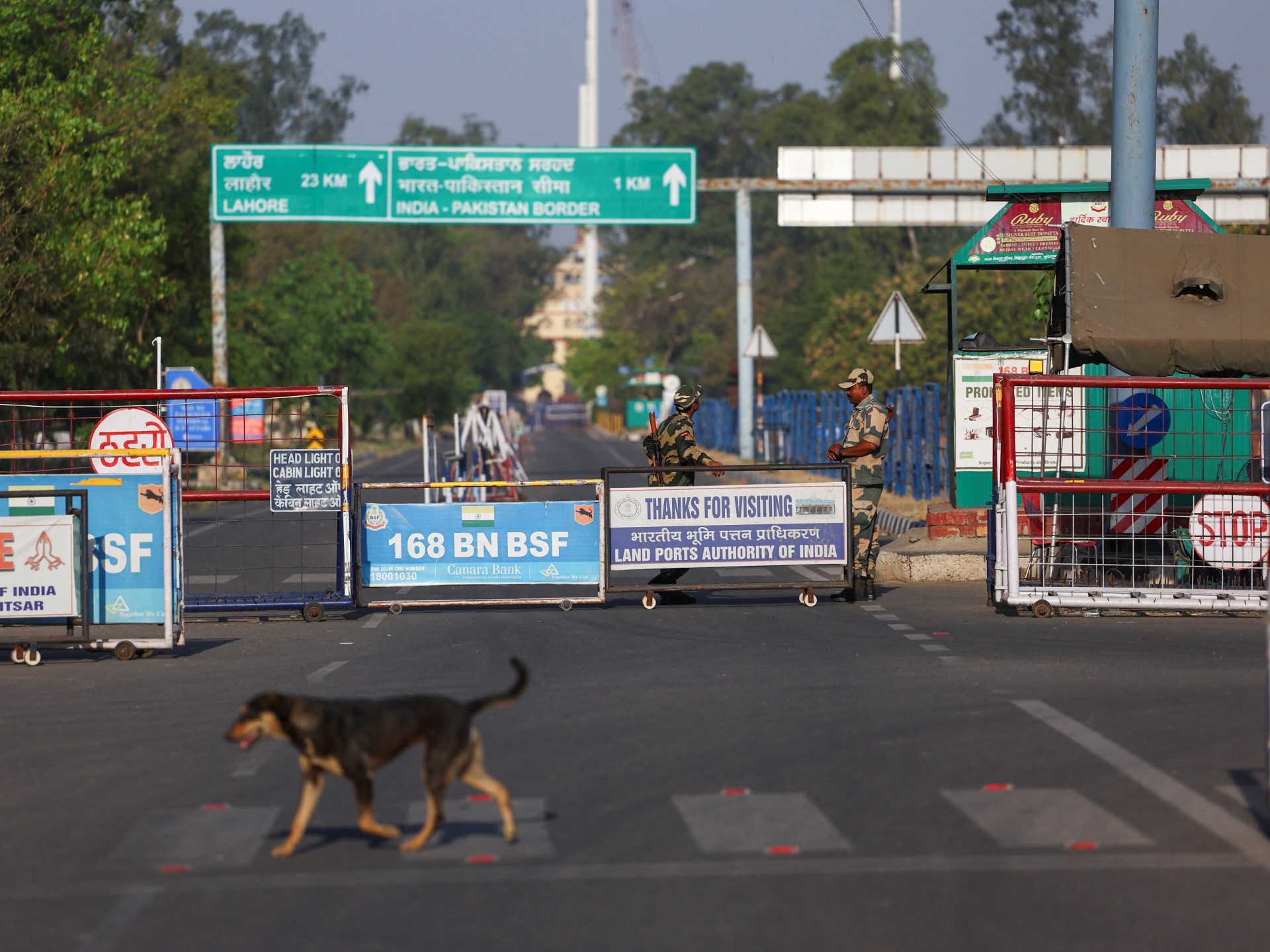
Recent geopolitical friction has only underscored the fragility of official ties, even as underlying economic imperatives persist. An unfortunate incident in India-administered Kashmir on April 22nd, which claimed at least 26 lives in Pahalgam, triggered a sharp response from New Delhi. India announced the suspension of its involvement in a crucial Indus River water-sharing agreement and scaled back its diplomatic representation in Pakistan. Islamabad, while denying any culpability and advocating for an independent inquiry, retaliated by halting all commerce with India, including indirect transit, and closing the vital Wagah-Attari land crossing. These actions effectively solidified the freeze on official trade, which has been minimal since commercial interactions largely ceased in 2019.
The $10 Billion Shadow Economy: A Deep Dive
For energy investors, understanding the mechanics and implications of this $10 billion covert economy is paramount. Despite the formal barriers, fundamental principles of supply and demand dictate that goods, including potentially petroleum products, lubricants, or even equipment, find their way across borders, albeit through circuitous and more expensive channels. This subterranean flow of goods highlights a profound economic interdependence that, if officially recognized and normalized, could fundamentally reconfigure regional energy logistics and unlock considerable value for investor portfolios.
The existence of such a large unofficial trade volume speaks volumes about the inherent economic logic that transcends political divides. Businesses on both sides of the border require specific goods and services that are either cheaper, more readily available, or of higher quality from the other nation. When direct routes are blocked, these essential commodities are often rerouted through third countries like the UAE, Singapore, or Afghanistan, adding substantial costs in terms of tariffs, logistics, and time. This inefficiency, currently absorbed by businesses and ultimately consumers, represents a significant economic drag that could be converted into profit margins and market expansion for energy companies if official trade resumed.
Historical Context: Missed Opportunities
Formal commercial exchanges between India and Pakistan began shortly after their partition in 1947. A period of optimism emerged in 1996 when New Delhi granted Islamabad “most favored nation” (MFN) status under World Trade Organization (WTO) guidelines. This designation was intended to ensure equitable tariff treatment and foster robust bilateral commerce. However, broader bilateral tensions consistently overshadowed these economic overtures, preventing commercial relations from ever reaching their true potential through official channels. The MFN status, while a positive step on paper, failed to translate into a sustained period of open trade, leaving the official economic relationship perpetually constrained by political volatility.
The history of fluctuating commercial ties serves as a stark reminder for investors: the region’s economic potential has long been held captive by geopolitical realities. The absence of direct trade links has curtailed the natural flow of goods and services, forcing industries to seek less efficient, more costly alternatives. This dynamic has particularly impacted the energy sector, where the efficient movement of fuels, refined products, and petrochemicals is crucial for economic growth and stability. India, a major refiner, could be a natural supplier for Pakistan’s energy needs, just as Pakistan could offer crucial transit routes for energy resources to India, creating synergies that remain untapped.
Unlocking Value: The Energy Sector’s Potential
For investors focused on oil and gas, the implications of a potential normalization of trade are profound. Consider the logistical efficiencies that could be gained. Direct rail or road links across the Wagah-Attari border could drastically reduce the cost and time associated with transporting refined petroleum products, LNG, or even crude oil. Indian refiners, with their significant processing capacity, could find a ready market in Pakistan, while Pakistani infrastructure could become a vital conduit for energy resources destined for India, particularly from Central Asian gas fields. This direct access would enhance regional energy security, reduce reliance on more distant or volatile supply routes, and foster greater price stability.
Furthermore, the establishment of official trade in energy commodities could stimulate investment in cross-border infrastructure. Pipelines, storage facilities, and new transportation networks would become viable projects, attracting capital and generating returns. Companies involved in energy logistics, infrastructure development, and commodity trading stand to benefit immensely from such a shift. The current $10 billion unofficial economy, when channeled through transparent, official routes, would not only formalize these transactions but also likely grow significantly as the cost of doing business decreases and market access improves.
Investment Implications and Forward Outlook
The current state of affairs, characterized by a large hidden economy and sporadic political flare-ups, creates both risks and opportunities. While the immediate outlook for official trade normalization remains uncertain due to ongoing geopolitical tensions, investors must recognize the immense latent value that could be unleashed. The sustained existence of a $10 billion unofficial trade volume underscores the fundamental economic pull between these two nations. Should political will ever align with economic necessity, the transformation for regional energy markets would be substantial.
Investors should closely monitor any diplomatic breakthroughs or changes in trade policy that could signal a shift. Companies with existing regional operations, those specializing in energy infrastructure, or firms with a strong presence in commodity logistics could be strategically positioned to capitalize on any opening. The transition from a costly, indirect trade model to an efficient, direct one would generate significant uplift for businesses and stakeholders, fundamentally reshaping the investment landscape across South Asia’s energy sector. The prospect of unlocking this $10 billion and potentially much more, through direct, transparent trade in critical resources like oil and gas, represents a transformative opportunity that savvy investors cannot afford to overlook.