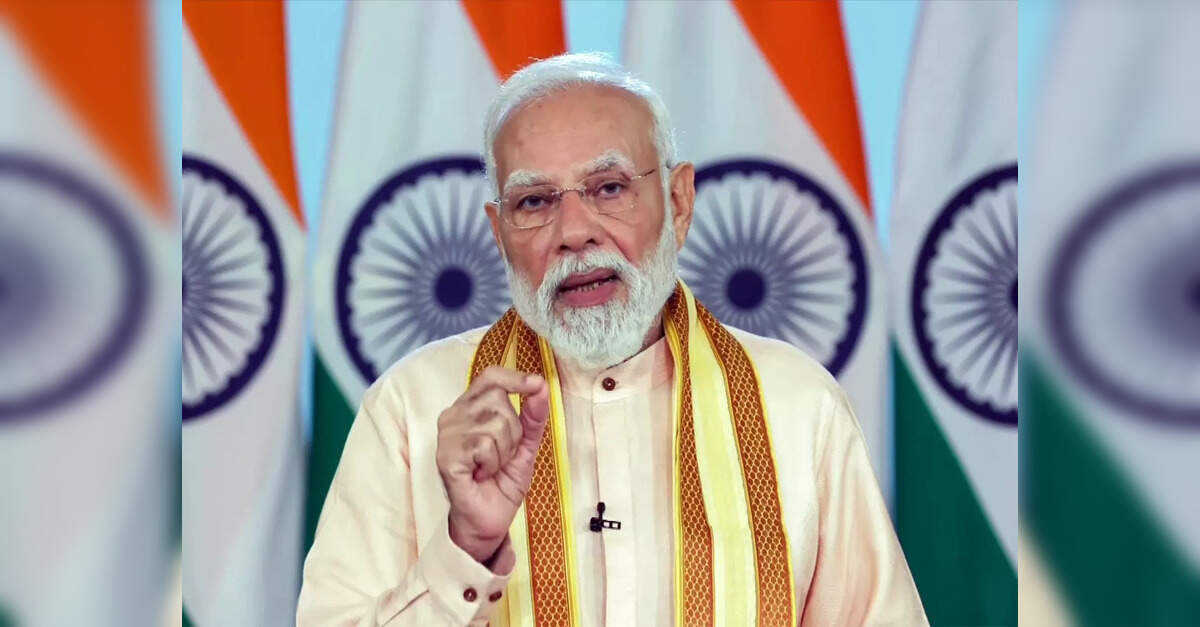
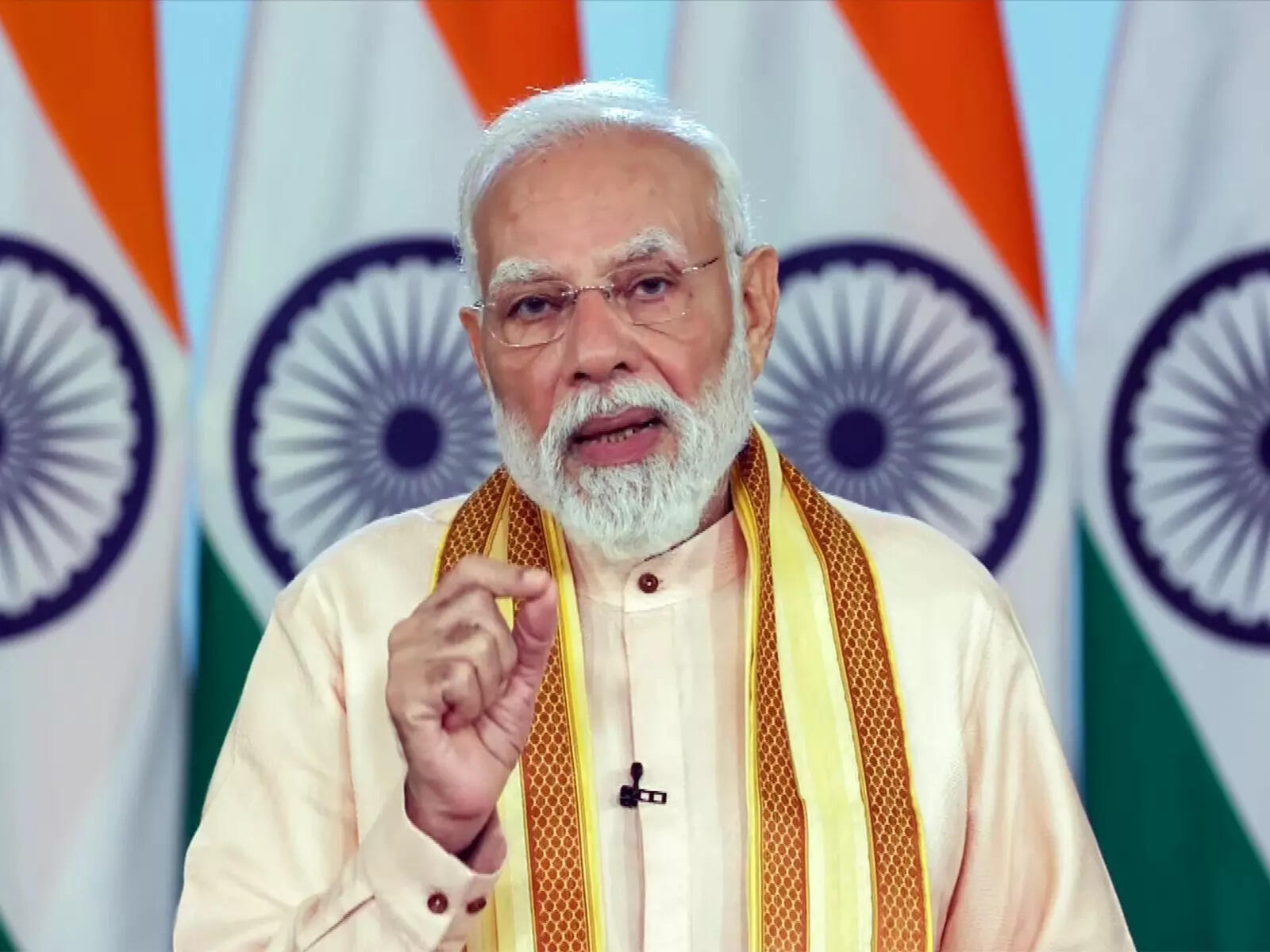
Prime Minister Narendra Modi on Tuesday said India’s energy sector offers $500 billion investment opportunities and urged global investors to invest in the country, stressing that India is now moving towards energy independence.
“India is strengthening global partnerships across the energy value chain,” he said, inviting international companies to participate in the country’s long-term energy growth story as it balances economic expansion with sustainability goals.
He said that energy independence will be achieved through building a strong domestic energy ecosystem capable of meeting local demand.
“This would be driven by expanded exploration, higher refining capacity and integrated LNG and downstream infrastructure, while ensuring affordable supply chains and globally competitive energy exports,” he added.
Oil and gas sector investments
Modi said India is aiming to attract $100 billion in investments into its oil and gas sector by the end of this decade, as the country opens up exploration, expands refining capacity and scales up gas infrastructure to meet rising domestic and global energy demand.
Modi emphasised that India’s position as the world’s fastest-growing major economy is creating sustained growth in energy consumption, making the country a key destination for long-term energy investments.
“India today is a land of vast opportunities for the global energy sector,” Modi said, adding that the government is actively working across the entire energy value chain to strengthen energy security and support global supply needs.
As part of the $100 billion investment push, the Prime Minister said India has significantly liberalised its exploration and production (E&P) regime. The government plans to expand the country’s exploration area to nearly one million square kilometres, with over 170 hydrocarbon blocks already awarded. He highlighted the Andaman and Nicobar basin as India’s next major hydrocarbon frontier.
Modi said a series of reforms—including a sharp reduction in ‘no-go’ areas and changes to acts and rules based on industry feedback—have improved ease of doing business and enhanced project viability in exploration. “If you invest in India’s exploration sector, your company’s profitability is bound to improve,” he said.
India to be the world’s largest refiner
On the downstream side, Modi underlined India’s growing refining strength as a key pillar of its energy strategy. India currently has a refining capacity of around 260 million metric tonnes per annum (MMTPA), making it the world’s second-largest refiner. The government is working to expand capacity beyond 300 MMTPA, which Modi said would further strengthen India’s role in global petroleum product markets.
“We are second in the world in terms of refining capacity. Soon, we will be number one in the world,” said Modi.
India is already among the top five exporters of petroleum products, with exports reaching more than 150 countries.
LNG to play greater role in energy mix
Natural gas, particularly liquefied natural gas (LNG), will play a larger role in India’s energy mix, the Prime Minister said. The government has set a target to meet 15 per cent of India’s total energy demand through LNG, creating opportunities across the entire LNG value chain, including import terminals, storage, transportation and distribution.
He also pointed to growing investment opportunities in gas-based transportation, port infrastructure and city gas distribution networks, as India expands access to cleaner fuels across urban and industrial centres. A ₹70,000 crore programme to boost domestic shipbuilding has also been launched, supporting energy logistics and maritime capabilities.
Modi said India Energy Week has rapidly emerged as a global platform for dialogue and action on energy security and sustainability, bringing together policymakers, industry leaders and investors from nearly 100 countries.