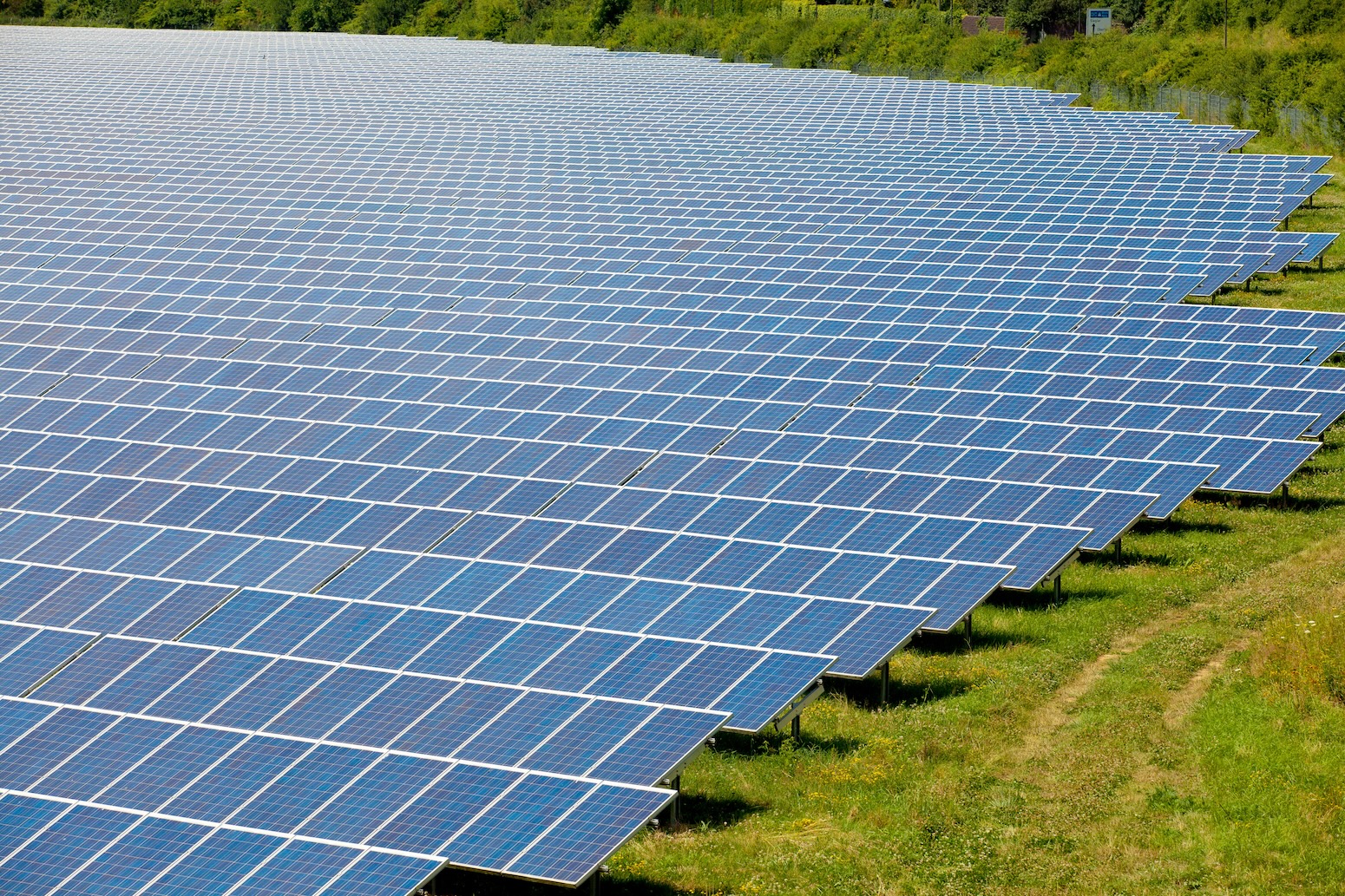
The International Energy Agency (IEA) has delivered a stark message that will resonate deeply across the global energy investment landscape: renewable energy sources are poised to surpass coal as the world’s primary electricity generator as early as 2024, and certainly by 2026. This isn’t just an incremental shift; it represents a fundamental reordering of power grids and a profound challenge to the long-term outlook for traditional oil and gas. While the IEA’s forecast spotlights the meteoric rise of wind and solar, it also surfaces the complex interplay of growing global electricity demand, the role of natural gas as a transition fuel, and the resurgence of nuclear power. For oil and gas investors, understanding these dynamics is crucial for navigating a market increasingly defined by rapid technological advancement and evolving policy landscapes, even as crude markets exhibit their own distinct volatilities.
The Unstoppable Momentum of Renewable Power
The IEA’s latest projections underscore an accelerating energy transition, with wind and solar leading the charge. These two intermittent sources collectively generated over 4,000 terawatt hours (TWh) in 2024, and are forecast to exceed 6,000 TWh by 2026. This astounding growth means that wind and solar alone will satisfy more than 90% of the increase in global electricity demand through 2026. While some political factions may voice opposition to this shift, the economic and logistical realities of rapid deployment are undeniable. By 2026, renewables as a whole are expected to constitute 36% of global power supplies, eclipsing coal’s anticipated 32% share – coal’s lowest percentage in a century. This transition is not merely about capacity additions; it reflects a structural change in how the world powers itself, with wind and solar’s combined share of global electricity generation surging from just 4% in 2015 to an estimated 20% by 2026.
Navigating Headwinds: O&G in a Shifting Power Mix
While renewables rapidly expand, the implications for fossil fuels are multifaceted. Coal-fired generation is set for a global decline, primarily driven by reductions in key regions like China and the European Union, though partially offset by increases in the United States, India, and other Asian nations. This decline is attributed to a combination of sustained renewables growth and an increasing trend of switching from coal to natural gas in various power sectors. Indeed, natural gas power is projected to experience modest growth of 1.3% annually in both 2025 and 2026, solidifying its role as a critical bridge fuel. Furthermore, nuclear power is also poised for a resurgence, reaching record output levels due to plant restarts in Japan, robust operations in France and the US, and new reactors coming online in China, India, and South Korea. These combined forces will contribute to a significant reduction in power-sector emissions. For investors pondering the future of crude, like those frequently asking “what do you predict the price of oil per barrel will be by end of 2026?”, these power sector shifts highlight a complex demand picture. While electricity generation is decarbonizing, overall global electricity demand is actually accelerating, forecast to grow at 3.3% in 2025 and 3.7% in 2026, far outpacing the 2.6% average seen between 2015 and 2023. This fresh demand stems from industrial expansion, increased domestic appliance usage, greater air conditioning adoption, ongoing electrification of heat and transport, and the explosive growth of data centers. This dynamic suggests that while oil’s share in the power mix may shrink, overall energy demand remains robust, creating a nuanced scenario for crude pricing.
Oil Market Volatility: A Glimpse at Today’s Realities
Even as the long-term energy transition accelerates, the short-term crude oil market remains a crucible of volatility, demanding constant attention from investors. As of today, Brent Crude trades at $90.38 per barrel, marking a significant 9.07% decline within the day, having ranged between $86.08 and $98.97. Similarly, WTI Crude stands at $82.59, down 9.41% for the day, with its price oscillating between $78.97 and $90.34. This sharp daily downturn follows a more protracted slide, with Brent crude having shed $20.91, or 18.5%, over the past two weeks, falling from $112.78 on March 30th to $91.87 on April 17th. Gasoline prices are also feeling the pressure, currently at $2.93, down 5.18% today. This recent bearish sentiment in crude prices can be attributed to a confluence of factors, including persistent concerns over global economic growth, potential shifts in monetary policy, and an evolving supply-demand outlook. Such pronounced price swings underscore the inherent risks and opportunities in the energy sector, prompting investors to scrutinize every market signal and forward-looking indicator.
Key Events on the Horizon: Shaping Near-Term O&G Trajectories
The immediate trajectory of crude oil prices will undoubtedly be influenced by critical upcoming events, demanding investor focus. This weekend, the market will closely watch the OPEC+ Joint Ministerial Monitoring Committee (JMMC) meeting on April 18th, followed by the full OPEC+ Ministerial Meeting on April 19th. These gatherings are particularly significant in light of the recent sharp declines in crude prices and the prevailing uncertainty regarding global demand. Investors are keen to understand if the alliance will maintain its current production quotas or if any adjustments are on the table to stabilize the market. Our proprietary reader intent data shows a clear surge in questions surrounding “OPEC+ current production quotas,” highlighting the market’s anticipation. Beyond OPEC+, the consistent stream of weekly data releases will offer crucial insights: the API Weekly Crude Inventory on April 21st and 28th, and the EIA Weekly Petroleum Status Report on April 22nd and 29th, will provide vital snapshots of US supply levels. Furthermore, the Baker Hughes Rig Count on April 24th and May 1st will indicate North American drilling activity, offering a forward look at potential future supply. Each of these events carries the potential to trigger significant market movements, shaping the near-term investment landscape for oil and gas.
Investor Takeaways: Strategic Positioning in a Dynamic Market
The IEA’s bold pronouncement regarding renewables overtaking coal by 2026 marks a pivotal moment, yet it doesn’t spell an immediate end for oil and gas. Instead, it signals a strategic reorientation for investors. The simultaneous acceleration of both renewable deployment and overall electricity demand creates a complex, dual-track energy narrative. While the power sector is definitively shifting away from fossil fuels, the sheer scale of global energy requirements ensures ongoing demand for hydrocarbons, particularly natural gas as a transition fuel and crude for transportation, petrochemicals, and other non-power applications. The recent volatility in crude prices, as evidenced by today’s significant drops, serves as a powerful reminder that macroeconomics, geopolitical events, and supply-side decisions will continue to drive short-term market dynamics, independent of long-term energy transition trends. Investors must adopt a nuanced approach, balancing exposure to the rapidly expanding renewable sector with strategic positions in resilient and adaptable oil and gas companies. Understanding how entities navigate the shift towards lower-carbon operations, manage capital allocation, and respond to evolving market signals will be paramount. The coming weeks, with key OPEC+ decisions and crucial inventory data, will offer immediate tests for market sentiment, underscoring the need for vigilance and informed decision-making in this ever-evolving energy investment landscape.