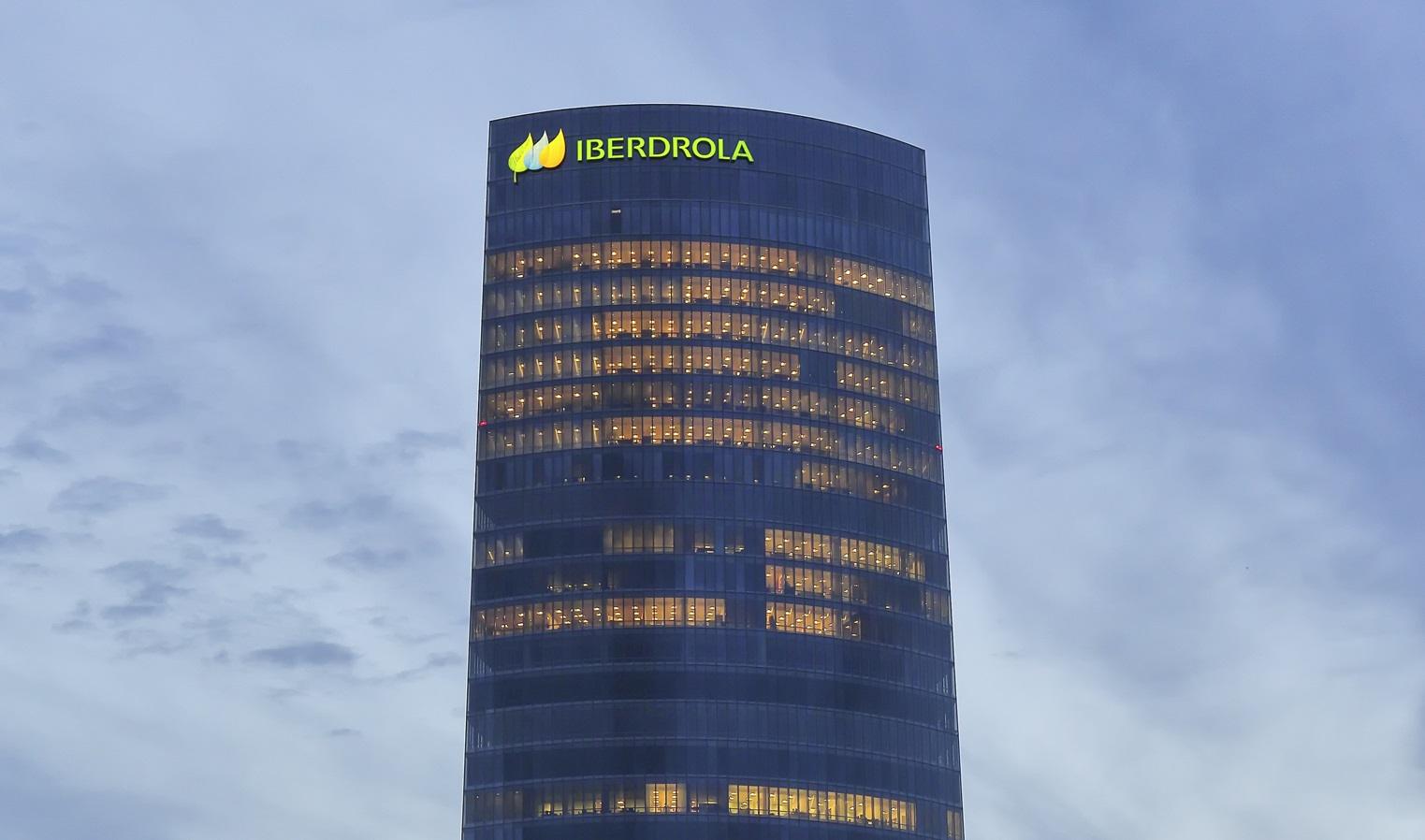
Iberdrola Fuels Green Ambitions with $7.7 Billion Capital Infusion
Global energy behemoth Iberdrola recently announced a colossal capital injection totaling €6.6 billion (approximately USD $7.7 billion), strategically positioning the company at the forefront of the accelerating energy transition. This significant financial maneuver underscores a robust commitment to sustainable development, with a substantial portion earmarked for one of the world’s largest offshore wind developments and the remainder enhancing corporate liquidity through sustainability-linked credit facilities. Savvy investors in the oil and gas sector, increasingly diversifying into renewable energy, will note Iberdrola’s proactive approach to financing future growth in a decarbonizing world.
The core of this new financing package includes two primary components: a massive €4.1 billion in green financing dedicated to the construction of the East Anglia THREE offshore windfarm in the United Kingdom, and a fresh €2.5 billion sustainability-linked credit line secured with a consortium of international banks. These transactions are not isolated events but rather integral parts of Iberdrola’s broader financial strategy, which has consistently aimed to integrate a higher percentage of green and sustainable products into its funding structure since 2021.
East Anglia THREE: A Landmark Offshore Wind Investment
The €4.1 billion green financing represents a pivotal move for the East Anglia THREE project, destined to become a cornerstone of the UK’s renewable energy infrastructure. Located off the Suffolk coast, this 1.4 gigawatt (GW) offshore windfarm is projected to commence operations in the fourth quarter of 2026. Upon completion, it will generate enough clean electricity to power approximately 1.3 million British homes, significantly contributing to the nation’s decarbonization targets and offering long-term, stable returns for investors.
This substantial green capital follows a recent strategic alliance formed by Iberdrola with UAE-based clean energy developer Masdar, where the two entities agreed to co-invest €5.2 billion into the East Anglia THREE venture. This collaboration highlights the global nature of large-scale renewable energy projects and the increasing cross-border partnerships driving the energy transition. Industry analysts have already lauded this as the largest offshore wind transaction of the decade, signaling robust investor confidence in the sector’s growth trajectory and project viability.
The financing structure for the €4.1 billion deal is particularly noteworthy for investors. It operates on a project finance model, meaning the capital will be repaid through the cash flow generated by the wind farm once it becomes operational. This structure is inherently attractive as it isolates project-specific risks and returns. Further bolstering the project’s financial stability are long-term power purchase agreements (PPAs), including a significant PPA signed with Amazon in 2024. These agreements provide predictable revenue streams, mitigating market price volatility and enhancing the project’s investment appeal. The funds will directly cover critical construction costs for wind turbines, substations, submarine cables, and converter stations, alongside financing pre-commercial operation and maintenance expenses, all backed by a syndicate of 23 leading financial institutions.
Sustainability-Linked Credit: Aligning Finance with ESG Goals
Complementing the project-specific funding, Iberdrola has also secured a €2.5 billion sustainability-linked credit facility. This five-year, multicurrency arrangement, involving 32 international banking institutions, is a testament to the evolving landscape of corporate finance, where environmental, social, and governance (ESG) metrics increasingly influence borrowing costs. The terms of this facility directly link the cost of credit to Iberdrola’s success in achieving its ambitious decarbonization targets, as well as the alignment of its investments in networks, renewables, and storage with the stringent EU Taxonomy criteria.
For investors focused on sustainable outcomes and corporate responsibility, this type of financing offers a clear signal of Iberdrola’s commitment. It incentivizes the company to meet its environmental objectives, translating directly into financial benefits through reduced borrowing costs. Beyond the ESG alignment, this facility is designed to strengthen Iberdrola’s overall liquidity position and diversify its funding sources, providing essential flexibility in a market ripe with growing investment opportunities, particularly in the electrification domain.
A Strategic Shift Towards Green Dominance
Iberdrola’s latest financial maneuvers are consistent with its overarching strategic vision to establish a dominant position in the global green energy market. The company has made significant strides in transforming its financial profile, with an impressive 94% of all financing signed in 2024 classified as sustainable. By the close of 2024, Iberdrola’s total sustainable financing portfolio is projected to exceed a staggering €60 billion. This includes a diverse mix of instruments: €22.9 billion in green bonds, €15.6 billion in sustainable credit lines, and €6 billion in sustainable commercial paper, augmented by various green and sustainable bank loans, structured finance, and multilateral loans.
This diversified and sustainability-focused funding strategy provides a robust financial foundation for Iberdrola’s aggressive investment plans. It demonstrates a clear pathway for funding capital-intensive renewable energy projects while simultaneously reinforcing the company’s commitment to global decarbonization. For investors observing the transition from traditional fossil fuels to green energy, Iberdrola’s financial engineering offers a blueprint for sustainable growth and long-term value creation.
Ignacio Galán, Iberdrola’s Executive Chairman, emphasized the strategic importance of these transactions, stating that these deals significantly bolster the company’s capacity to continue expanding investments in essential infrastructure—specifically networks, renewables, and energy storage. This aggressive investment posture is directly aimed at meeting the surging demand driven by global electrification trends, particularly in key markets like the United States and across Europe. As the world increasingly shifts towards cleaner energy sources, companies capable of securing large-scale green capital and executing ambitious projects like East Anglia THREE will undoubtedly lead the charge, offering compelling opportunities for investors looking to capitalize on the energy transition.


