Europe’s Energy Transition Accelerates with Major Battery Material Investment
The global energy landscape is undergoing a profound transformation, and astute investors in the traditional oil and gas sector must keenly observe the substantial capital flows diverting into next-generation energy technologies. A prime example of this accelerating shift comes from Spain, where a significant investment in electric vehicle (EV) battery component manufacturing underscores the rapid pivot toward electrified transportation and localized supply chains. This development, while seemingly outside the direct hydrocarbon value chain, carries considerable implications for future energy demand dynamics and capital allocation across the broader energy complex.
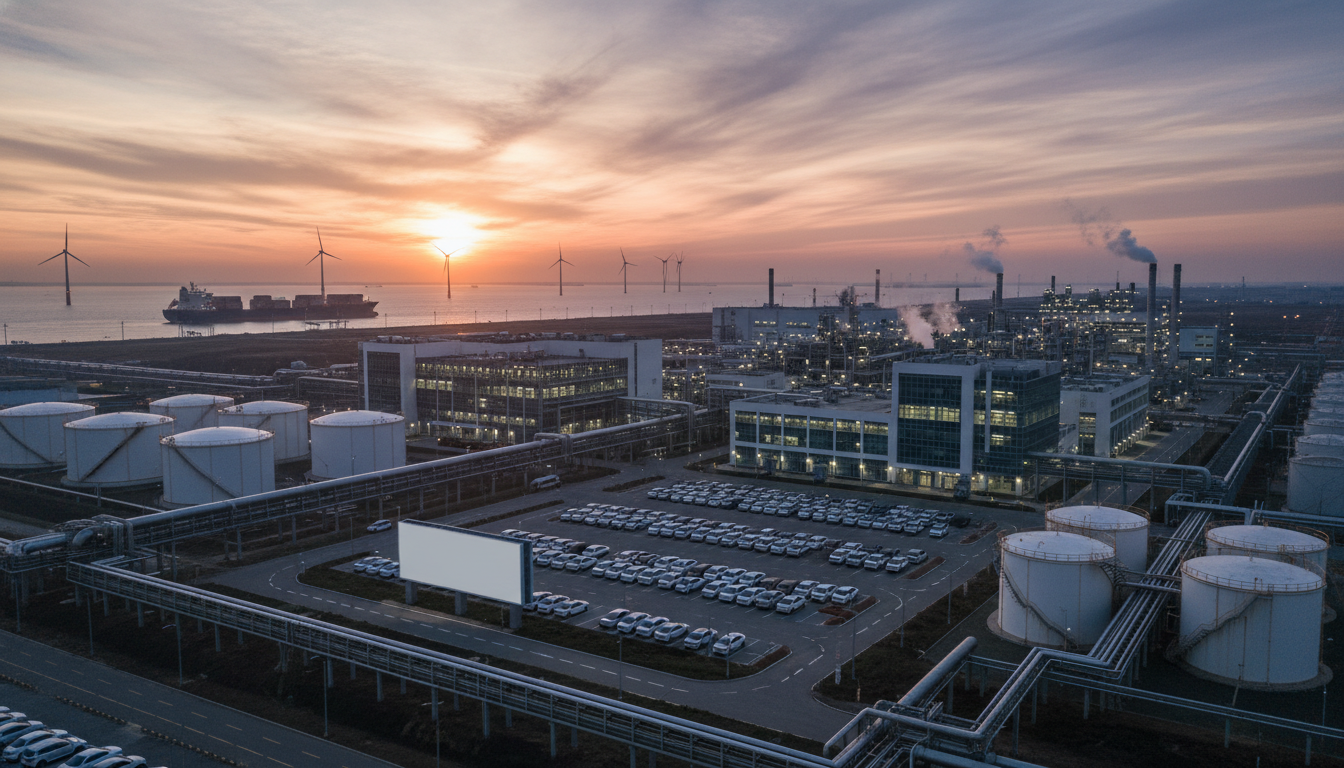
Hunan Yuneng New Energy Battery Material, a prominent Chinese enterprise, is spearheading the construction of a pioneering lithium iron phosphate (LFP) cathode material factory in Mérida, located in southwestern Spain’s Extremadura region. This ambitious project represents a total investment commitment of €800 million, positioning it as a pivotal development in Europe’s quest for energy independence and industrial self-sufficiency. The facility is projected to create approximately 500 direct employment opportunities, injecting vital economic activity into the region while building critical infrastructure for the continent’s burgeoning EV industry.
Strategic Capital Deployment in the New Energy Economy
For decades, capital markets predominantly channeled significant investments into hydrocarbon exploration, production, and infrastructure. Today, a growing proportion of global investment is targeting the foundational elements of the new energy economy. Hunan Yuneng’s decision to deploy €800 million in Spain highlights the strategic imperative of securing critical battery material supply lines outside of Asia. The company stands as a global leader in LFP cathode materials, a fundamental component for the increasingly popular LFP batteries powering a wide array of electric vehicles. Its customer roster includes industry giants such as CATL, the world’s largest battery manufacturer, and BYD, a leading EV and battery conglomerate, signifying the company’s established prowess and market relevance.
The chosen site for this advanced manufacturing facility is the ExpacioMérida industrial park, encompassing an extensive 54,800 square meters. The financial architecture of the project includes a substantial €200 million in subsidies, reflecting the strategic importance European governments place on fostering domestic battery supply chains. This government backing de-risks the investment to some extent and signals a concerted effort to support industrial relocation and local manufacturing of high-tech components. Such incentive packages are becoming increasingly common in the competitive race to attract clean energy investments, a trend that investors in all energy sectors must monitor closely.
Phased Expansion Targets Europe’s Growing Battery Hub
The project is structured into multiple phases, beginning with an initial investment of approximately €125 million. This first stage aims to establish a plant with an annual production capacity of 50,000 tonnes of LFP cathode material. Critically, the long-term vision includes a planned expansion to an impressive 300,000 tonnes per year, underscoring the company’s confidence in Europe’s long-term EV growth trajectory and the demand for localized battery components. This scalability speaks volumes about the anticipated growth in European battery manufacturing, directly impacting the long-term outlook for internal combustion engine vehicle sales and, consequently, global oil demand for transportation fuels.
While specific off-take agreements have not yet been publicly disclosed by Hunan Yuneng, the strategic location in Spain positions the factory ideally to supply several major battery manufacturing plants currently under construction across the Iberian Peninsula and surrounding regions. Prime candidates for future supply include Envision AESC’s gigafactory within the Extremadura region itself, the CATL and Stellantis joint venture facility near Saragossa, and Volkswagen subsidiary PowerCo’s large-scale plant under development in Sagunt, near Valencia. These facilities represent billions in further investment into the EV ecosystem, collectively shaping the future of European mobility and energy consumption patterns.
A Landmark Achievement for European Energy Security
The significance of this development extends beyond mere production figures. Regional Minister for Economy, Employment, and Digital Transformation of Extremadura, Guillermo Santamaría Galdón, has emphasized that this factory marks the first of its kind within Europe. This distinction is not merely symbolic; it represents a tangible step towards reducing Europe’s reliance on external supply chains for critical EV components, enhancing energy security and industrial resilience. For oil and gas investors, understanding the geopolitical implications of these supply chain shifts is paramount, as energy security has historically been a key driver of hydrocarbon markets.
All necessary regulatory hurdles have been successfully navigated, with the Mérida City Council granting the essential building permit. This administrative clearance allows the project, which has been in preparation since 2023, to transition from the planning stages directly into active construction. The seamless progression from conception to groundbreaking provides a positive signal for future investments in the European clean energy sector, indicating a supportive regulatory environment for strategic projects. As capital continues to flow into these areas, the competitive landscape for investment capital within the broader energy sector intensifies, challenging traditional allocations to fossil fuel projects.
Implications for Oil and Gas Investors
For investors focused on the oil and gas sector, these developments serve as critical indicators of the pace and scale of the global energy transition. The €800 million investment in LFP cathode materials, coupled with the billions being poured into European gigafactories, directly impacts future demand forecasts for crude oil and refined products. As EV adoption accelerates, particularly in key markets like Europe, the long-term trajectory for gasoline and diesel consumption faces structural headwinds. Prudent oil and gas portfolio management necessitates a deep understanding of these competitive energy sectors, evaluating the potential for demand destruction and the strategic reallocation of capital towards assets resilient in a decarbonizing world.
The shift towards localized, sustainable supply chains for critical energy components also echoes the ongoing geopolitical considerations around energy security, a theme intimately familiar to hydrocarbon markets. By building domestic capacity for battery materials, Europe aims to mitigate risks associated with distant supply vulnerabilities, mirroring discussions around diversifying oil and gas import sources. Investors must analyze how these macro-level shifts in energy policy, industrial strategy, and technological adoption will reshape the entire energy complex, influencing asset valuations and investment opportunities across both traditional and new energy frontiers. The Mérida factory stands as a concrete manifestation of Europe’s commitment to this future, a future where the energy investment landscape looks increasingly different.


