Hormuz Tanker Caution Elevates Oil Supply Risk
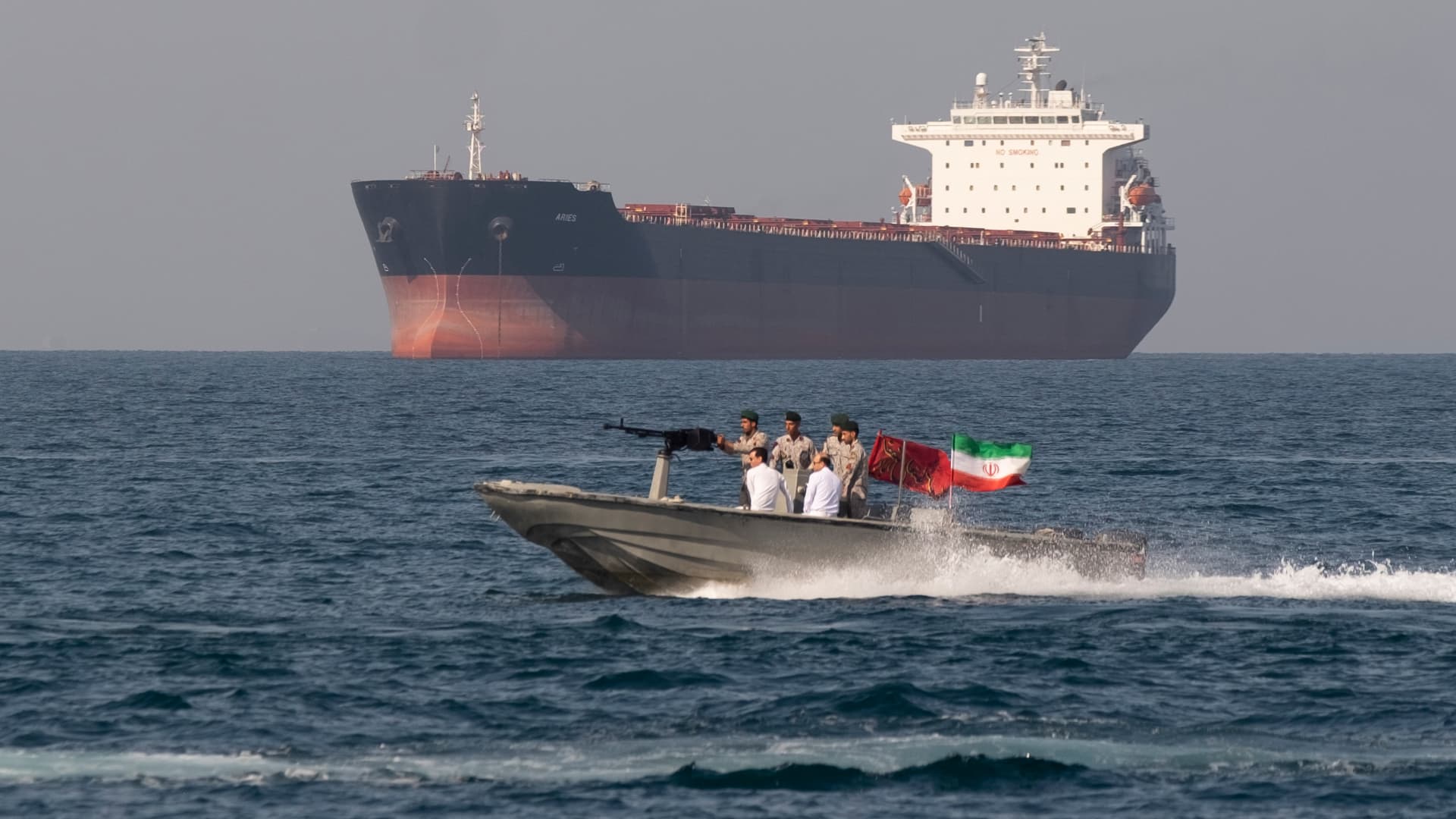
The Strait of Hormuz, a critical maritime chokepoint, is once again drawing heightened attention from global energy markets following a series of recent tanker diversions. This vital waterway, through which a significant portion of the world’s seaborne oil passes, has seen several vessels alter course, signaling an increased level of caution among shipping operators. While the situation remains fluid, these maneuvers underscore the persistent geopolitical risks in the Middle East and their immediate implications for global oil supply stability. For investors, understanding these dynamics is paramount, as even temporary disruptions or heightened risk premiums can significantly impact energy asset valuations.
Navigating the Chokepoint: Recent Vessel Movements and Underlying Tensions
Over a recent weekend, at least six vessels initially diverted their routes away from the Strait of Hormuz, a move that immediately signaled unease within the shipping industry. Our proprietary data confirmed these diversions involved a mix of vessel types, highlighting broad concern across crude and product markets. Specifically, two Very Large Crude Carriers (VLCCs), three chemical tankers, and one refined products carrier, all in ballast, initially changed course. Noteworthy among these were the Damsgaard, which had departed Pakistan’s Qasim port for Ruwais, Abu Dhabi; the South Loyalty, en route from South Korea’s Ulsan to Basra, Iraq; and the Coswisdom Lake, traveling from Zhanjiang, China, to the UAE’s Zirku. Other vessels, including the UK-flagged Kohzan Maru and the Panama-flagged Red Ruby, also exhibited evasive actions.
This initial wave of caution was particularly pronounced, with shipowners demonstrating reluctance to enter the Middle East Gulf zone. However, the situation has rapidly evolved. Within hours, three of these vessels — the South Loyalty, Coswisdom Lake, and Damsgaard — reversed course once more and are now proceeding towards the Strait. The remaining three vessels are currently idling off the coasts of Khor Fakkan and Muscat, indicating continued, albeit localized, hesitation. These rapid shifts illustrate the highly sensitive and reactive nature of maritime operations in response to perceived threats, which in this instance followed reports of a U.S. attack on what were identified as three major nuclear enrichment facilities in Iran. For investors, this pattern of initial alarm followed by partial normalization is crucial; it suggests a market and shipping industry on high alert, capable of rapid, risk-averse responses that can quickly unwind if the immediate threat perception diminishes.
Investor Focus: Supply Security, OPEC+ Quotas, and Future Price Trajectories
The recent tanker movements in the vicinity of Hormuz resonate deeply with the core concerns of our readership. Our first-party intent data reveals investors are actively questioning the future trajectory of oil prices, with queries like “what do you predict the price of oil per barrel will be by end of 2026?” and “What are OPEC+ current production quotas?” Such events directly feed into the perceived risk premium embedded in oil prices. The initial reluctance of shipowners to enter the Middle East Gulf following geopolitical tensions had led to a record low count of available empty crude carriers in the zone, a clear indicator of heightened supply risk. While this trend has since reversed, with available tanker counts recovering, the underlying sensitivity to disruption remains palpable. Any sustained closure or significant impediment to transit through Hormuz would send shockwaves through global supply chains, justifying a substantial upward revision to price forecasts.
This dynamic interplay between geopolitical risk and physical supply capability makes long-term price predictions exceptionally challenging. While the immediate flow of vessels into the region has largely been sustained, the mere *potential* for disruption adds an inherent volatility that investors must account for. Moreover, the focus on OPEC+ production quotas directly links to this. Any major supply disruption would likely pressure OPEC+ to reassess its output strategy, potentially leading to increased production to stabilize markets, if capacity allows. Conversely, if geopolitical tensions escalate, the alliance might maintain or even deepen cuts to support prices amidst a perceived scarcity.
Current Market Reaction and Upcoming Catalysts
Despite the elevated supply risk emanating from the Strait of Hormuz, the immediate market reaction has been complex. As of today, Brent crude trades at $90.38, reflecting a significant decline of 9.07% within the day’s range of $86.08 to $98.97. Similarly, WTI crude is priced at $82.59, down 9.41% from its daily range of $78.97 to $90.34, with gasoline also seeing a 5.18% drop to $2.93. This substantial market downturn, occurring even amidst heightened geopolitical tension at a critical choke point, suggests that broader macroeconomic concerns, profit-taking, or an interpretation that the tanker situation is not an immediate, sustained disruption are currently outweighing the upward pressure from supply risk. It’s also important to note the broader trend: Brent has fallen from $112.78 on March 30th to $91.87 on April 17th, a nearly 18.5% decline, indicating a prevailing bearish sentiment in the market despite regional flare-ups.
Looking forward, several key events on the energy calendar will provide crucial guidance. The upcoming OPEC+ Joint Ministerial Monitoring Committee (JMMC) meeting on April 18th, followed by the Full Ministerial meeting on April 19th, will be paramount. Investors will keenly watch for any adjustments to current production quotas or signals regarding future supply policy, especially in light of the renewed Middle East tensions and current price dynamics. Additionally, the API Weekly Crude Inventory report on April 21st and the EIA Weekly Petroleum Status Report on April 22nd will offer vital insights into U.S. demand and supply fundamentals. These will be followed by further inventory data on April 28th and 29th, alongside the Baker Hughes Rig Count on April 24th and May 1st, which will inform expectations for U.S. production trajectory. The market will weigh these fundamental data points against the persistent geopolitical risk premium associated with critical transit routes like Hormuz, making for a volatile and closely watched period for energy investors.
Investment Implications and Risk Management
The ongoing situation in the Strait of Hormuz serves as a potent reminder of the inherent volatility and geopolitical sensitivity embedded in global oil markets. While the immediate market reaction has been tempered by other factors, the underlying risk of supply disruption remains significantly elevated. For investors, this necessitates a proactive and adaptive approach to portfolio management. Companies with diversified logistics and supply chains, or those less reliant on Middle Eastern crude flows, may offer a degree of insulation. Conversely, tanker operators and refiners heavily dependent on the Strait could face increased operational costs or supply uncertainty.
Monitoring the frequency and nature of such tanker diversions, alongside the broader geopolitical landscape, should be a continuous exercise. The “fluid” nature of these events means that calm can quickly turn to crisis. Investors should pay close attention not only to spot crude prices but also to the shape of the forward curve for signs of sustained supply concerns or a rising risk premium. Ultimately, while precise long-term oil price predictions remain elusive given these geopolitical wildcards, a robust understanding of such critical choke points and their potential for disruption is fundamental to navigating the complex world of oil and gas investing.