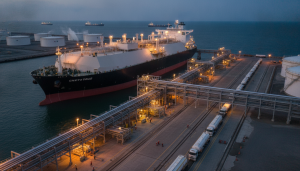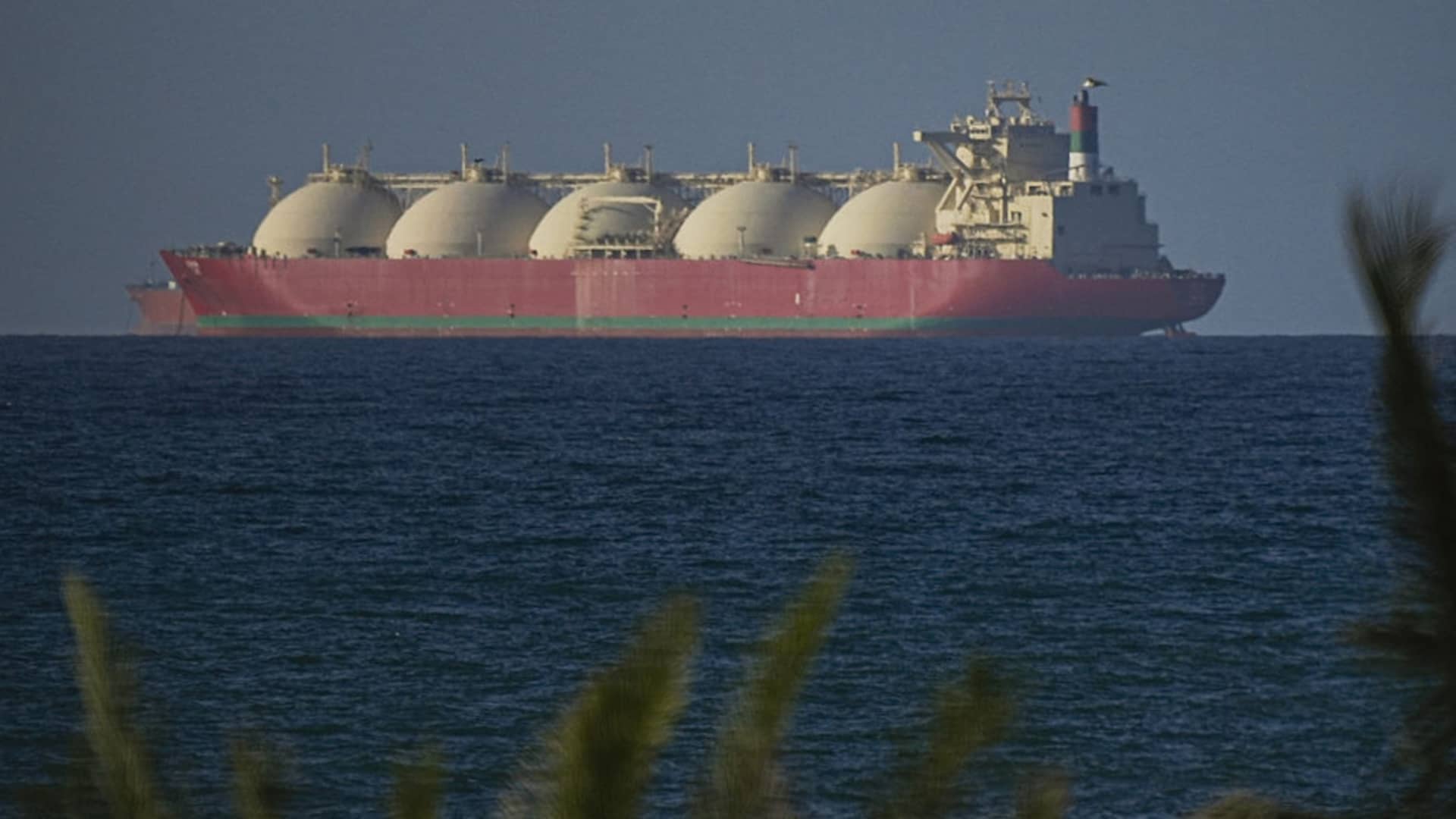
The global oil market is navigating a complex landscape of geopolitical de-escalation and persistent supply concerns, with recent developments surrounding the Strait of Hormuz at the forefront. Following weeks of heightened tensions and restricted transit, Iran’s declaration on April 8, 2026, that the vital waterway is now “completely open” for commercial traffic has injected a significant, albeit fragile, element of relief into energy markets. This move, a direct consequence of a temporary ceasefire agreement between the United States and Iran, and a broader de-escalation between Israel and Lebanon, carries profound implications for global crude flows and investor sentiment. While the immediate aftermath saw a sharp correction in oil prices, the subsequent market trajectory suggests that underlying uncertainties continue to shape the outlook, prompting investors to closely scrutinize every new data point and diplomatic maneuver.
Strait Reopening: Initial Relief and Market Volatility
On April 8, 2026, Iran’s Foreign Minister Seyed Abbas Araghchi formally announced the full reopening of the Strait of Hormuz to all commercial vessels. This declaration came as a direct fulfillment of the conditions set forth in a two-week ceasefire agreement between Washington and Tehran, initiated on April 7. The opening also coincided with a 10-day ceasefire between Israel and Lebanon, which commenced at 5 p.m. ET on April 10, aimed at halting Israel’s military operations against Hezbollah. U.S. President Donald Trump publicly acknowledged Iran’s action, a sign of the diplomatic progress, however tenuous. The market’s initial reaction was swift and dramatic; oil prices plunged more than 11% immediately following the announcement, reflecting a sudden perceived easing of critical supply risks. For weeks prior, the strait, a choke point for roughly a fifth of the world’s oil supply, had remained almost completely closed amidst disputes over the ceasefire terms, allowing only a handful of commercial vessels to transit daily.
Current Market Dynamics: From Plunge to Persistent Strength
While the initial news of the Hormuz reopening triggered a sharp sell-off, the market’s reaction has since evolved, indicating a more nuanced understanding of the underlying geopolitical and supply dynamics. As of today, April 22, 2026, crude benchmarks are demonstrating a notable recovery and upward momentum. Brent Crude is trading robustly at $101.68 per barrel, marking a significant 3.25% increase within the day’s range of $96.54 to $102.31. Similarly, WTI Crude has seen a substantial gain, reaching $92.73 per barrel, up 3.41% on the day. This current strength follows a period of notable volatility; our proprietary data shows Brent having trended downwards from $101.16 on April 1st to $94.09 by April 21st, representing a 7% decline over the first three weeks of April. The rebound observed today suggests that while the immediate risk of a Hormuz closure has receded, other factors—such as ongoing demand strength, geopolitical fragilities, or a recognition that the “open” status comes with conditions like Iran’s “coordinated route” requirement—are reasserting upward pressure on prices. Investors are clearly weighing the immediate relief against the enduring complexities of the Middle East.
Investor Focus: Durability of Peace and Price Outlook
The persistent volatility in crude markets has naturally led to a barrage of questions from investors seeking clarity. Our reader intent data reveals a strong focus on price direction, with a recurring query being, “Is WTI going up or down?” and a significant number of investors asking, “What do you predict the price of oil per barrel will be by end of 2026?” These questions underscore the market’s current uncertainty regarding the durability of the current geopolitical calm and its long-term impact on supply. The fact that Iran’s parliamentary speaker, Mohammad Bagher Ghalibaf, accused the U.S. of violating the ceasefire agreement by permitting Israel to continue its campaign in Lebanon highlights the fragility of the current arrangements. This dispute was a primary reason why the Strait of Hormuz remained largely inaccessible for commercial traffic for an extended period, despite the initial U.S.-Iran agreement on April 7. While vessels are now transiting, the requirement to adhere to a “coordinated route” announced by Iranian maritime authorities signifies that Iran maintains a degree of control and oversight, a factor that prevents a complete dissipation of risk premium from oil prices. Investors are keenly aware that the current “open” status is conditional and subject to the ongoing political negotiations and regional stability.
Forward Outlook: Diplomatic Efforts and Fundamental Catalysts
Looking ahead, the stability of oil prices will hinge on both diplomatic progress and fundamental market data. The recent high-level negotiations between U.S. Vice President JD Vance and Iran’s Speaker Ghalibaf last weekend in Pakistan failed to yield a permanent resolution to the broader U.S.-Iran conflict. However, President Trump’s indication that a second round of talks could occur this weekend in Pakistan offers a glimmer of hope for continued dialogue. Investors will be closely watching these developments for any signs of a more lasting de-escalation or, conversely, a return to heightened tensions. Parallel to these geopolitical considerations, a series of crucial energy events over the next two weeks will provide essential data points for market participants. The EIA Weekly Petroleum Status Reports, scheduled for April 22nd, April 29th, and May 6th, will offer critical insights into U.S. crude inventories, production levels, and demand indicators. The Baker Hughes Rig Count reports on April 24th and May 1st will further illuminate the trajectory of North American drilling activity. Perhaps most impactful for long-term outlooks will be the EIA Short-Term Energy Outlook on May 2nd, which will provide comprehensive forecasts for global supply and demand, directly addressing investor concerns about the year-end oil price. These forthcoming data releases, combined with the ongoing diplomatic efforts, will be pivotal in shaping the market’s perception of future oil supply and demand balances, ultimately influencing price direction in the coming weeks and months.