Lufthansa’s $2 Billion Fuel Shock Signals Escalating Geopolitical Risks for Energy Investors
Europe’s largest airline, Lufthansa Group, has issued a stark warning to investors, projecting an additional $2 billion (equivalent to 1.7 billion euros) in fuel costs for 2026. This significant financial hit, attributed to soaring jet fuel prices, underscores the critical impact of ongoing geopolitical tensions and supply chain vulnerabilities on global energy markets. For astute oil and gas investors, this announcement is a powerful indicator of the escalating risks and potential opportunities stemming from a constrained energy landscape.
The Geopolitical Fuse: Strait of Hormuz and Kerosene Supply
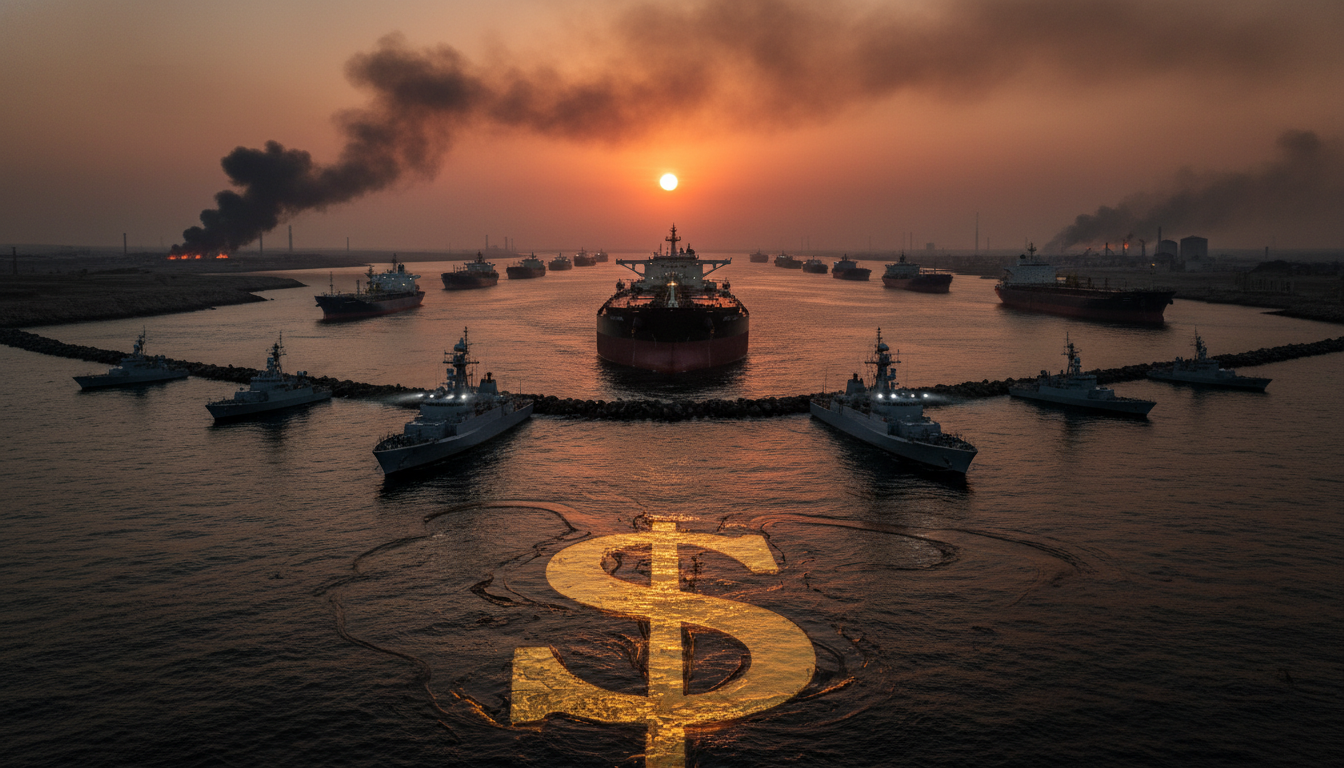
The primary catalyst for Lufthansa’s surging expenditure is the current closure of the Strait of Hormuz, a crucial global maritime chokepoint. This strategic waterway’s disruption has severely curtailed kerosene supply, leading directly to a dramatic increase in prices for the vital aviation fuel. With jet fuel now trading at over $200 per barrel, the economic ripple effects are profound, reaching far beyond the aviation sector into broader energy investment considerations. The ongoing conflict in Iran further exacerbates this situation, effectively blocking a significant portion of Europe’s jet fuel imports and amplifying the region’s energy security concerns.
Europe’s Refining Predicament Deepens Supply Crisis
The severity of Europe’s jet fuel supply challenges is not solely a function of the Strait of Hormuz disruption; it is compounded by a long-term decline in the continent’s domestic refining capacity. Over the past two decades, dozens of refineries across Europe have either ceased operations permanently or been reconfigured for biofuel production. This structural shift has left the region increasingly reliant on external sources for refined petroleum products, including jet fuel. Consequently, any interruption to key import routes or global supply chains, such as those currently emanating from the Iran conflict, disproportionately impacts European consumers and businesses, including the aviation industry. Investors in European refining assets or energy infrastructure must closely monitor these evolving dynamics.
Lufthansa Navigates Financial Headwinds Despite Hedging
Even with proactive financial strategies, the sheer magnitude of the current jet fuel price spike is proving challenging for Lufthansa. The carrier has proactively hedged approximately 80% of its anticipated fuel costs for 2026. However, even this extensive hedging program cannot fully absorb the impact of such an unprecedented market rally. Till Streichert, Chief Financial Officer of Deutsche Lufthansa AG, confirmed the grim outlook, warning that the airline’s annual profit would likely fall below original expectations. This scenario serves as a potent reminder for energy investors that even well-managed companies can face significant profit erosion when exposed to extreme commodity price volatility driven by unforeseen geopolitical events.
Operational Adjustments and Broader Industry Impact
In response to these substantial cost pressures, Lufthansa has already begun implementing significant operational adjustments. The airline previously announced the removal of a staggering 20,000 short-haul flights from its European summer schedule. Furthermore, the carrier confirmed accelerated plans to reduce its flight program and retire certain aircraft earlier than anticipated. These measures were prompted by kerosene prices that have more than doubled since before the Iran conflict, exacerbated by rising burdens from ongoing labor disputes. While strong summer travel demand is still expected, the confluence of exorbitant fuel costs and internal labor issues creates a challenging operating environment for the entire aviation sector, potentially affecting travel demand and cargo logistics across the globe. This situation directly influences the demand side of the jet fuel market, a critical component for oil and gas analysts.
Investor Outlook: Navigating the Volatile Energy Landscape
For investors focused on the oil and gas sector, Lufthansa’s struggles offer crucial insights into the broader market’s fragility and the interconnectedness of global energy supply with geopolitical stability. The current environment highlights the critical role of crude oil production, refining capacity, and strategic waterways in determining energy costs. Supply chain disruptions, particularly in pivotal regions like the Middle East, can rapidly translate into significant financial burdens for energy-intensive industries and cascade throughout the global economy. Companies with diversified energy portfolios, strong hedging capabilities, or robust logistical networks may be better positioned to weather such storms. Investors should prioritize vigilance regarding geopolitical developments, global refining trends, and the strategic positioning of key energy infrastructure assets. The potential for reduced fuel availability later in the year remains an additional risk factor that could further tighten the market.
Conclusion: Heightened Scrutiny for Energy Investments
Lufthansa Group’s projected $2 billion hit from escalating jet fuel prices serves as an undeniable signal of the profound impact that geopolitical tensions and supply constraints can have on corporate profitability and global commerce. For those investing in the dynamic oil and gas markets, this situation underscores the paramount importance of understanding energy security, refining capabilities, and the inherent volatility of a world reliant on a finely balanced energy ecosystem. Careful analysis of these critical factors will be essential for making informed investment decisions in the current environment.


