Major Corporations Anchor European Wind Project, Signaling Strategic Shift in Energy Procurement and Carbon Management
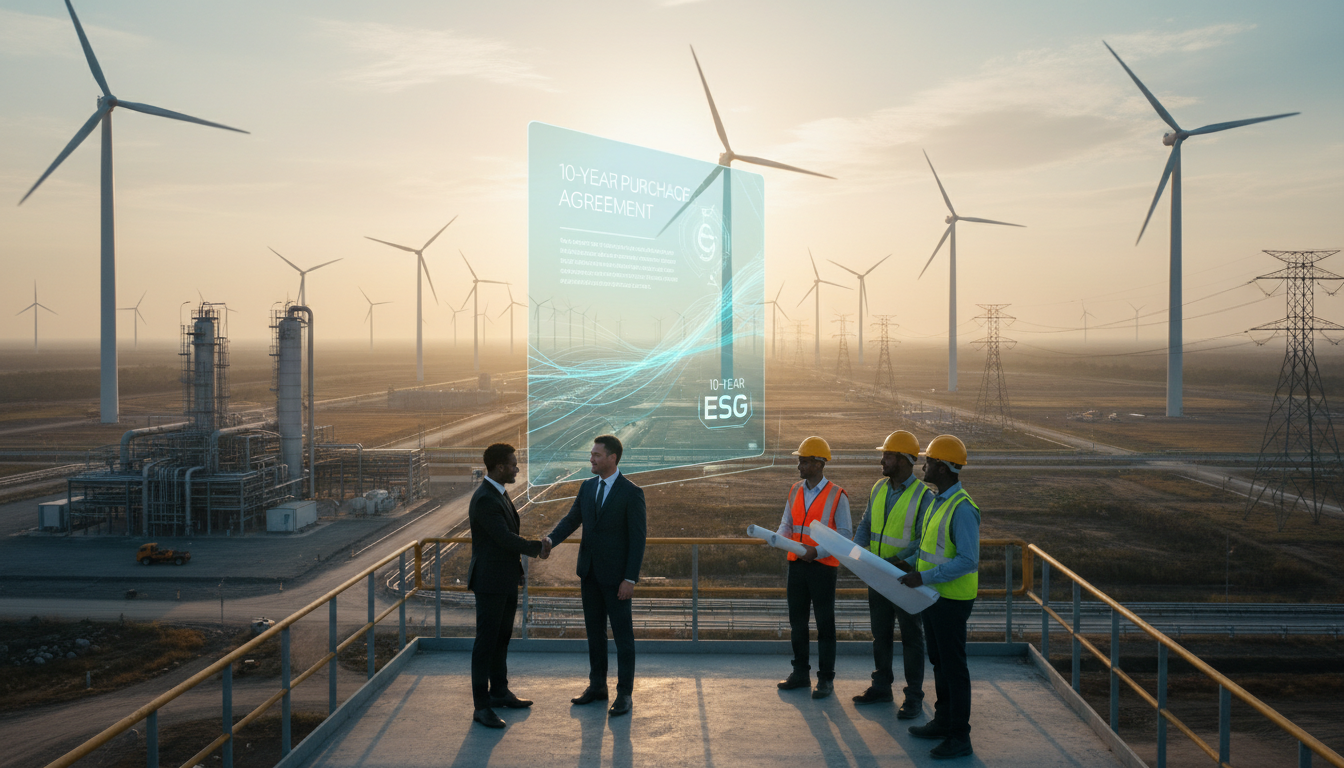
In a significant move reshaping the European energy landscape, a consortium of global industrial giants—PepsiCo, Givaudan, and Smurfit WestRock—has entered into a 10-year virtual power purchase agreement (VPPA) with Statkraft. This landmark deal, tied to a repowered wind asset in Spain, stands as a potent indicator for oil and gas investors, illustrating how major corporations are actively de-risking their energy portfolios and driving the energy transition through innovative financial structures. The agreement promises to slash approximately 32,000 metric tons of CO₂ emissions annually, extending its decarbonization impact well beyond direct operations to touch critical elements of production, packaging, and logistics across complex supply chains.
This initiative represents a pivotal shift, moving beyond mere corporate sustainability pledges to implement concrete, long-term energy procurement strategies. For the astute investor observing the oil and gas sector, these developments underscore the accelerating demand destruction for traditional energy sources and the growing allocation of capital towards renewable energy infrastructure. Such VPPAs not only provide predictable, long-term power pricing, insulating companies from commodity market volatility, but also enhance their environmental, social, and governance (ESG) credentials, a key consideration for today’s capital markets.
Financial Innovation Drives Collaborative Decarbonization Across Value Chains
The structured finance model underpinning this VPPA is particularly noteworthy. Facilitated by SE Advisory Services, a consulting arm of Schneider Electric, the framework skillfully aggregates renewable energy demand from multiple corporate buyers. PepsiCo spearheaded this effort through its pep+ REnew program, effectively pooling the electricity needs of its suppliers and partners. This collaborative approach lowers the barriers to entry for companies that might otherwise lack the scale or expertise to secure direct renewable energy contracts, thereby improving pricing power and access to capital-intensive renewable assets.
John Powers, Vice President of Strategic Renewables at Schneider Electric, highlighted this innovative synergy, emphasizing how combining their market expertise with PepsiCo’s robust supplier engagement model significantly accelerates decarbonization across vast global value chains. This model offers a blueprint for how large-scale industrial consumers can transition away from fossil-fuel-dependent grids, creating new investment opportunities in renewable energy generation and transmission. For oil and gas investors, this signifies a strategic re-evaluation of energy infrastructure investments, with a clear trend towards distributed and diversified renewable assets.
Corporate Climate Ambitions Translate into Tangible Energy Investment
This long-term agreement directly supports PepsiCo’s ambitious climate strategy, outlined under its PepsiCo Positive framework. The company has committed to significant reductions from a 2022 baseline, targeting a 42% cut in Scope 3 Energy and Industry emissions and a 30% reduction in Scope 3 Forest, Land and Agriculture emissions by 2030. These aggressive targets are validated by the Science Based Targets initiative (SBTi) and form a critical pathway towards achieving net-zero emissions by 2050 or even earlier.
Archana Jagannathan, Chief Sustainability Officer for PepsiCo Europe, Middle East, and Africa, affirmed that this agreement with Statkraft marks another crucial step in their journey to mitigate emissions, both within their direct operations and throughout their entire value chain. She stressed that such collaborations across the value chain are essential for expanding access to renewable energy solutions, supporting the transition to cleaner power, and accelerating progress toward crucial climate goals. For investors in the energy sector, these corporate mandates are not merely aspirational statements; they are powerful drivers of capital redirection, creating enduring demand for renewable energy projects and potentially impacting the long-term valuations of oil and gas assets exposed to carbon-intensive supply chains.
Repowered Wind Assets: Efficiency, Speed, and Smart Capital Deployment
The renewable energy source for this VPPA is a wind project in Spain undergoing repowering. This strategic decision involves replacing older wind turbines with advanced, more efficient technology. The benefits are multifaceted: it boosts electricity output significantly while leveraging existing grid connections, substations, and interconnection points. This approach minimizes new land use and environmental disruption compared to developing entirely new greenfield sites.
Hallvard Grandheim, EVP Markets at Statkraft, expressed pride in collaborating with PepsiCo, Givaudan, and Smurfit WestRock to expand Spain’s renewable energy capacity. He underscored how this agreement demonstrates the power of companies of varying sizes working together to achieve meaningful climate impact and bring additional renewable capacity online. For investors tracking infrastructure trends, repowering represents a capital-efficient and faster route to scale renewable capacity, particularly within Europe’s often-constrained permitting environments. It offers a low-risk, high-return profile for renewable asset development, an attractive proposition in the competitive energy market.
The Future of Corporate Decarbonization: Collaboration and Resilience
This agreement marks the second successfully completed cohort under the pep+ REnew program and stands as its inaugural renewable electricity cohort in Europe. Since its inception in 2022, the platform has grown substantially, now supporting over 250 companies across various regions in their decarbonization journeys. Willem Mutsaerts, Head of Global Procurement and Sustainability at Givaudan, highlighted this agreement as a compelling example of sustainable growth achieved with customers, translating shared ambitions into tangible climate action.
For executives and investors navigating the evolving global energy landscape, the message is unequivocally clear: decarbonization is no longer a solitary corporate endeavor. It is rapidly transforming into a coordinated, value-chain-wide imperative. As regulatory frameworks tighten, and financial capital continues to flow towards low-carbon assets, collaborative procurement models such as this VPPA are poised to become a defining characteristic of corporate climate action, not only across Europe but globally. This trend presents both challenges and opportunities for oil and gas companies, compelling them to innovate, diversify their portfolios, and potentially pivot towards integrated energy solutions to maintain investor relevance and long-term financial resilience in a rapidly changing energy market.


