Hormuz Bypass: Higher Shipping Costs, Oil Supply Tightens
The Strait of Hormuz, a critical maritime artery, is once again casting a long shadow over global energy markets. Recent geopolitical escalations, specifically the U.S. strikes on key Iranian nuclear facilities, have intensified fears of a wider regional conflict, directly impacting shipping patterns through this vital chokepoint. Our proprietary vessel tracking data indicates a palpable slowdown in transits, with some shipowners reportedly pausing operations and holding vessels on standby. This immediate, cautious response reflects the deep concern within the shipping industry, which understands that any significant disruption in the Strait, responsible for roughly 20% of global oil and petroleum product consumption and a similar proportion of LNG flows, would send ripples through the entire energy complex. Investors must now recalibrate their risk assessments, considering not only the direct impact on crude supply but also the cascading effects on shipping costs, insurance premiums, and the delicate balance of global energy security.
Geopolitical Tensions Elevate Supply Risk
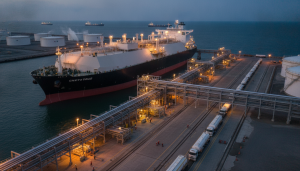
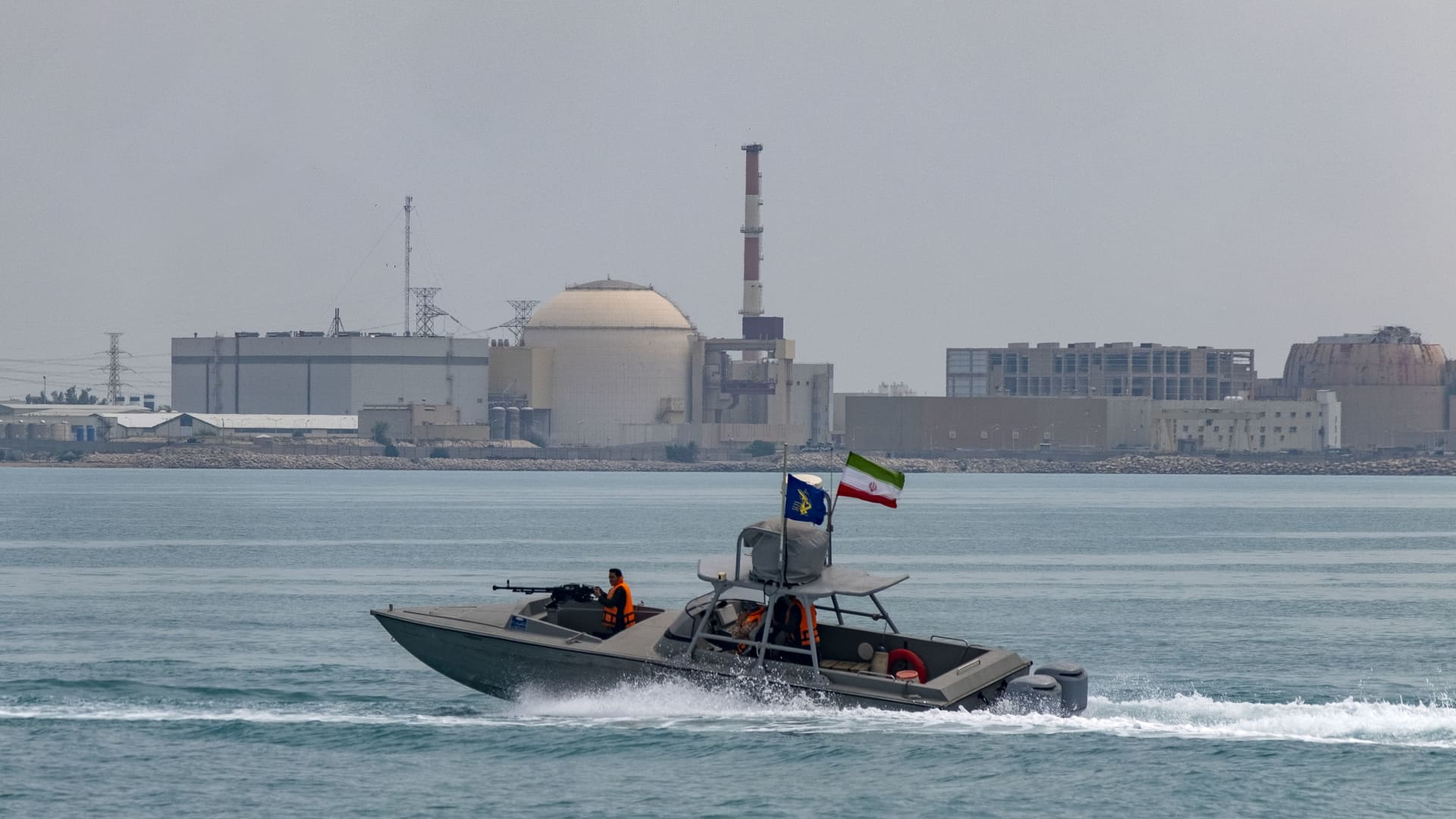
The Strait of Hormuz remains unequivocally the world’s most critical oil chokepoint. The U.S. Energy Information Administration estimates that in 2024 and Q1 2025, an astonishing 20% of global oil and petroleum product consumption, alongside approximately 20% of global liquified natural gas (LNG), primarily from Qatar, traversed this narrow waterway. The recent U.S. military action against Iranian nuclear sites has dramatically heightened the perceived risk of an Iranian response targeting maritime traffic. While the initial impact on shipping was limited, intelligence from major shipping associations now suggests a reduction in vessel passages following these strikes. Furthermore, reports circulating about Iran’s parliament potentially approving the closure of the Strait add a layer of systemic risk. Such a move, while seemingly counterproductive for Iran’s own trade relations, underscores the volatile nature of the situation and the non-trivial possibility of a significant, albeit temporary, disruption to global energy flows. This scenario alone is sufficient to inject a substantial geopolitical premium into crude prices and elevate operational costs for every participant in the supply chain.
Market Dynamics: A Muted Reaction Amidst Underlying Tension
As of today, Brent crude is trading at $95.01, showing a modest daily increase of 0.23%, with WTI crude similarly up 0.31% at $91.56. Gasoline prices also reflect this slight upward nudge, currently at $2.99, up 0.67%. However, these incremental gains belie a more significant trend over the past two weeks. Our proprietary data reveals that Brent crude has actually softened, falling from $102.22 on March 25th to $93.22 as of yesterday, a nearly 8.8% decline. This apparent disconnect – rising geopolitical risk in Hormuz against a backdrop of a recent price downturn – indicates that the market has not yet fully priced in a severe, prolonged disruption. Instead, the current sentiment suggests a belief in de-escalation or that alternative supply routes and strategic petroleum reserves could mitigate short-term shocks. However, should the situation in Hormuz deteriorate further, with confirmed attacks on shipping or an explicit closure, a rapid repricing would be inevitable. Investors are keenly asking about Asian LNG spot prices this week; a prolonged Hormuz disruption would dramatically tighten the LNG market, particularly for Asian buyers heavily reliant on Qatari exports, likely driving those spot prices significantly higher due to increased shipping lead times and scarcity.
Forecasting Amidst Uncertainty: Investor Considerations
For investors seeking a base-case Brent price forecast for the next quarter, the Hormuz situation introduces considerable volatility. While the consensus 2026 Brent forecast generally hovers around current levels, factoring in geopolitical risk now necessitates a wider range of possibilities. A sustained disruption could easily push Brent well into triple digits, potentially reaching the upper end of its recent range of $96.89 or even higher, as a geopolitical risk premium solidifies. Conversely, a swift de-escalation could see prices retreat. Beyond crude benchmarks, investors must consider the ripple effects. Higher shipping costs, driven by increased insurance premiums and longer transit times for vessels rerouting, will impact the profitability of refiners and end-users. This environment favors well-hedged producers, shipping companies with modern, flexible fleets, and those with diversified supply chain options. Monitoring maritime intelligence and the rhetoric from regional actors will be paramount for anticipating market shifts and adjusting portfolio allocations accordingly.
Upcoming Events: Catalysts for Market Reassessment
The next two weeks are packed with events that could act as significant market catalysts, influencing how the Hormuz situation is perceived and priced. On April 18th and 20th, the OPEC+ Joint Ministerial Monitoring Committee (JMMC) and the Full Ministerial Meeting will convene. These meetings will be critical. Should Hormuz tensions escalate, the market will be watching closely to see if OPEC+ signals any willingness to adjust production quotas to stabilize global supply, or if they maintain their current cautious stance. Further insights into North American supply dynamics will come from the Baker Hughes Rig Count reports on April 17th and 24th. A robust U.S. drilling response could partially offset potential Middle East disruptions. Finally, the API Weekly Crude Inventory (April 21st, 28th) and the EIA Weekly Petroleum Status Report (April 22nd, 29th) will provide crucial data points on U.S. stock levels and demand, offering early indications of how global supply fears, or actual disruptions, are translating into inventory changes. These data releases, combined with ongoing geopolitical developments, will shape investor sentiment and likely drive price movements in the immediate term, urging a proactive approach to portfolio management.