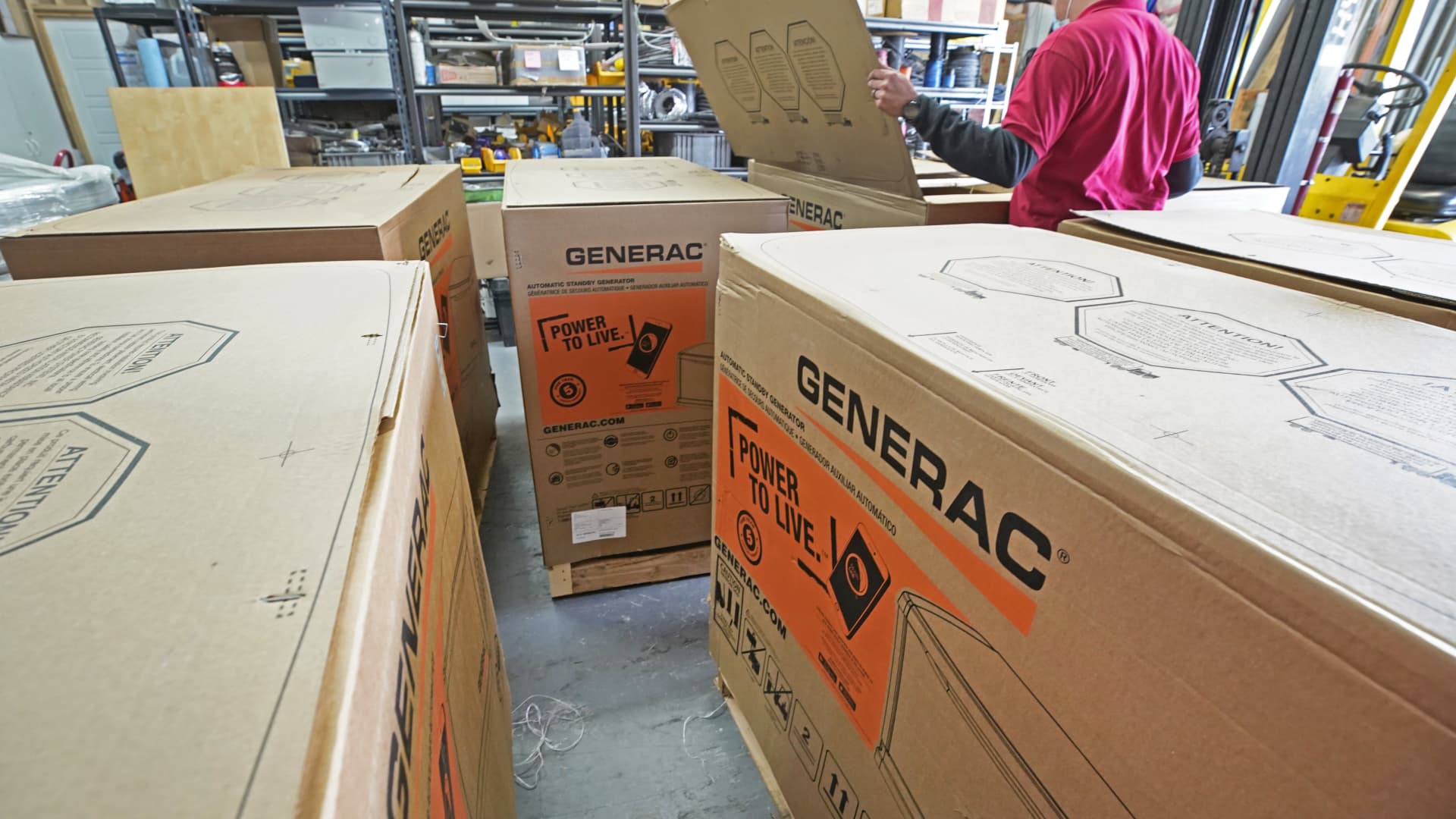
The energy sector is currently presenting a fascinating dichotomy, with specific segments surging while broader commodity markets experience significant headwinds. A prime example is the recent performance of Generac, a key player in backup power generation, which has seen its shares rally by nearly 12% this week, marking its strongest performance since November 2024. This surge is a direct response to a confluence of factors: an oppressive heatwave gripping large swaths of the U.S., resulting in localized power outages, and the ominous forecast for an exceptionally active Atlantic hurricane season. While this localized demand signal is clear, it contrasts sharply with a more bearish sentiment currently dominating global crude markets, creating a complex landscape for energy investors to navigate.
Weathering the Storm: Generac’s Rally Amidst Grid Vulnerability
The immediate catalyst for Generac’s impressive stock performance is undeniably the escalating pressure on the U.S. power grid. Extreme heat warnings and advisories have blanketed regions from the Mid-Atlantic to the Southeast, affecting an estimated 130 million people. This intense demand has already triggered reported power outages in states like New York, New Jersey, and Illinois. Adding to this urgency is the National Oceanic and Atmospheric Administration’s forecast for an above-normal Atlantic hurricane season, anticipating 13 to 19 named storms, with 6 to 10 escalating to hurricanes, and potentially 3 to 5 becoming “major” Category 3, 4, or 5 events. This outlook underscores a growing vulnerability in the nation’s energy infrastructure, driving residential and commercial demand for reliable backup power solutions. The brief appearance of tropical storm Andrea this week, even if short-lived, served as an early reminder of the season’s potential.
Aging Infrastructure Meets New Demand: Investment Implications
The underlying issue fueling Generac’s ascent extends beyond seasonal weather patterns; it points to a fundamentally stressed and aging power grid. Generac CEO Aaron Jagdfeld highlighted this concern last October, noting that severe weather, compounded by the burgeoning demand from new data centers, is placing unprecedented strain on the system. Research published last year by the Pacific Northwest National Laboratory and the Electric Power Research Institute projects that the risk of hurricane-induced power outages could jump by 50% or more in some areas due to climate change’s impact on storm characteristics. Bank of America further corroborates the demand narrative, forecasting electrical load to grow at a 2.5% compound annual growth rate through 2035. This structural demand shift creates tailwinds not only for generator manufacturers but also for companies like Trane Technologies, which produces crucial cooling systems for both residential and commercial applications, including data centers. While analysts currently hold a ‘hold’ rating on Trane, the long-term trend is undeniable. Utility stocks are also poised to benefit, with Bank of America anticipating significant tailwinds in the second half of the year for the power sector, driven by data center deals that could boost margins for names such as Constellation Energy and Vistra. However, given the sector’s outperformance relative to the S&P 500 this year, analysts are advocating for selective investment, favoring “laggards that have catalysts to drive outperformance,” citing opportunities in companies like Sempra and NorthWestern Energy. Investors are keenly asking about specific company performance and market trends, underscoring the need for targeted analysis in a sector experiencing such dynamic shifts.
Crude’s Retreat: A Divergent Market Signal
While the demand for power infrastructure solutions surges due to immediate grid vulnerabilities, the broader crude oil market presents a starkly different picture. As of today, Brent Crude trades at $90.38 per barrel, a significant 9.07% decline within the trading day, with prices fluctuating between $86.08 and $98.97. Similarly, WTI Crude has fallen by 9.41% to $82.59, moving within a day range of $78.97 to $90.34. This downturn is not an isolated event; our proprietary data reveals a pronounced 14-day Brent trend, with prices plummeting from $112.78 on March 30th to $91.87 just yesterday, representing an 18.5% erosion. Gasoline prices have followed suit, currently standing at $2.93 per gallon, down 5.18% today. This broad-based retreat in crude and refined products signals a market grappling with macroeconomic concerns, potentially outweighing the localized energy demand spikes seen in the power sector. This divergence creates a complex challenge for investors, many of whom are actively seeking clarity on the future, asking questions like what the price of oil per barrel will be by the end of 2026. The current market signals suggest that while specific segments of the energy infrastructure are thriving, the global crude market is responding to different, perhaps more bearish, fundamental drivers.
Navigating Future Volatility: Upcoming Energy Events on the Horizon
The immediate future for crude oil prices appears poised for significant volatility, with several key events on the horizon that demand close investor attention. This weekend, the OPEC+ Joint Ministerial Monitoring Committee (JMMC) convenes on April 18th, followed by the full OPEC+ Ministerial Meeting on April 19th. These meetings are critical, especially given the recent decline in crude prices, as members will assess market conditions and potentially deliberate on production quotas. Investors are actively questioning OPEC+’s current production strategies, making these gatherings pivotal for short-to-medium-term price direction. Beyond OPEC+, the market will keenly watch the API Weekly Crude Inventory report on April 21st and the EIA Weekly Petroleum Status Report on April 22nd, with subsequent releases scheduled for April 28th and 29th. These inventory data points provide crucial insights into supply-demand balances within the U.S., often leading to immediate price reactions. Furthermore, the Baker Hughes Rig Count, set for April 24th and May 1st, will offer an indication of future production trends. Collectively, these upcoming events will serve as critical barometers for the health and direction of the oil market, requiring investors to remain highly vigilant and adaptable in their strategies.