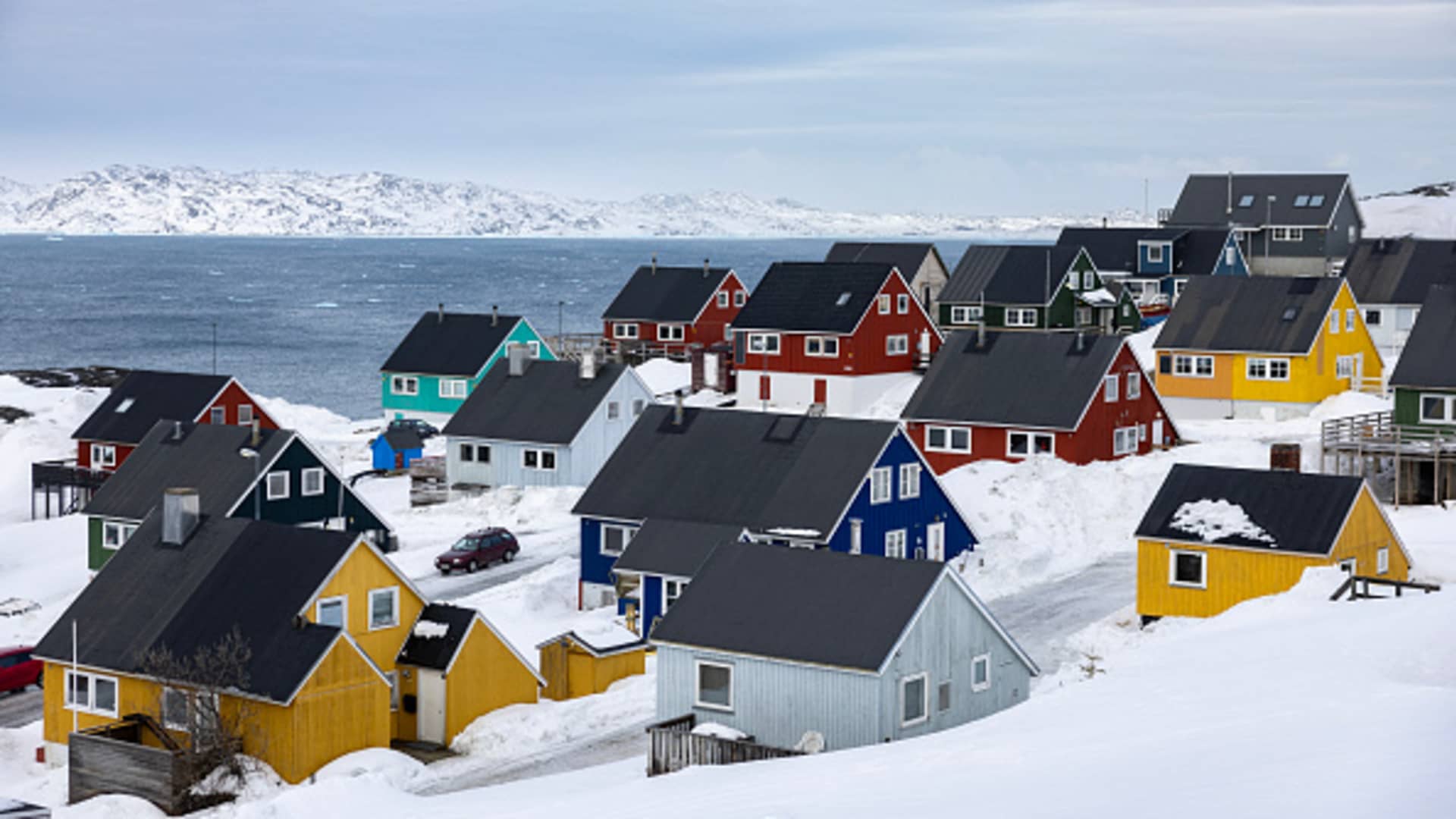
Greenland, the world’s largest island and a treasure trove of untapped mineral wealth, is charting a course that could reshape global supply chains for critical raw materials. Despite possessing vast reserves of minerals vital for the energy transition, the autonomous Danish territory has signaled a clear preference for a highly controlled and limited mining expansion. This strategic decision, articulated by Greenland’s Minister for Business and Mineral Resources, presents a nuanced investment landscape for those tracking the future of essential commodities beyond traditional oil and gas. Investors must understand the implications of this measured approach, which prioritizes sustainability and local impact over maximum extraction, even as geopolitical interest in the Arctic’s resources intensifies.
A Controlled Approach to Arctic Mineral Wealth
Contrary to the “enormous opportunity” narrative often touted by mining executives, Greenland’s government is not pursuing an all-out resource boom. Officials have expressed a clear preference for managing a limited number of operations, targeting just “5 or 10 active mines at any given time.” This contrasts sharply with the island’s immense geological potential, which includes significant deposits of graphite, gold, copper, nickel, molybdenum, and rare earth elements. The current reality sees only two active mines on the island, highlighting the scale of this self-imposed restraint. This policy stems from a recognition of Greenland’s small population and unique environmental challenges, which include a harsh climate, remote landscapes, and a lack of existing infrastructure. For investors, this means that while the resource quality may be high, the pace and scale of development will be deliberately constrained, emphasizing long-term, high-value projects over rapid, widespread exploitation.
Geopolitical Stakes and Critical Supply Chain Resilience
Greenland’s strategic mineral reserves have thrust it into the geopolitical spotlight, particularly as Western nations seek to diversify their supply chains away from a near monopoly held by China in rare earth elements. A 2023 survey by the Geological Survey of Denmark and Greenland (GEUS) underscored this importance, identifying 25 of the 34 minerals deemed critical by the European Commission within Greenland’s borders. These include crucial materials like graphite, molybdenum, and titanium, all indispensable for sustainable energy technologies. Recent developments reflect this global interest: the U.S. Export-Import Bank issued a letter of interest for a loan up to $120 million for Critical Metals Corporation’s Tanbreez rare earths mine in southern Greenland, marking a significant overseas investment. Additionally, a 30-year permit was recently approved for a Danish-French group to extract anorthosite, an aluminum-rich rock, in western Greenland. These projects, while demonstrating viability, will unfold within the strict framework of Greenland’s controlled resource policy, making each permitted mine a highly strategic asset in the global race for critical minerals.
Navigating Market Volatility: A Case for Diversification
In a period marked by significant shifts in energy markets, the long-term stability offered by critical mineral assets like those in Greenland gains particular resonance. As of today, April 18, 2026, the traditional energy sector is experiencing substantial downward pressure. Brent Crude is trading at $90.38 per barrel, a sharp 9.07% decline from yesterday, with its day range spanning from $86.08 to $98.97. Similarly, WTI Crude has fallen by 9.41% to $82.59. This daily downturn extends a broader trend, with Brent having plummeted by 18.5% over the past 14 days, from $112.78 on March 30 to $91.87 yesterday. Our proprietary reader intent data reveals a strong focus among investors on these very dynamics, with frequent queries about oil price predictions for the end of 2026 and current OPEC+ production quotas. While these concerns are valid given the volatility, Greenland’s policy highlights the strategic imperative of critical minerals, which, despite the high upfront capital requirements for development, offer a different risk profile. For investors seeking to diversify beyond the immediate fluctuations of crude markets, Greenland’s carefully managed and geopolitically significant mineral projects present an attractive, albeit long-term, opportunity to participate in the foundational elements of the global energy transition, insulating portfolios somewhat from the immediate pressures of the oil and gas cycle.
Forward Outlook: Policy, Projects, and Future Supply Dynamics
The coming weeks will bring renewed focus on global energy supply dynamics, with the OPEC+ Joint Ministerial Monitoring Committee (JMMC) meeting tomorrow, April 18, followed by the full Ministerial Meeting on April 19. These discussions will undoubtedly shape near-term sentiment for crude oil, influencing production quotas and market prices. Against this backdrop, Greenland’s steadfast commitment to a limited mining footprint has profound forward-looking implications for critical mineral supply. Rather than a flood of new projects, investors should anticipate a steady, highly scrutinized pipeline, making each approved development exceptionally valuable. The long-term nature of these investments, exemplified by the 30-year permit for anorthosite extraction, suggests stable, albeit constrained, supply streams. Future decisions by Greenlandic authorities regarding new permits will be pivotal, signaling which specific minerals and projects align with their vision of sustainable, limited resource development. Investors should monitor progress on existing projects like Tanbreez and any further policy statements, as these will define the pace and character of critical mineral availability from this strategically vital Arctic region for decades to come, shaping future market prices for key battery and green energy components.