Europe’s Carbon Border Mechanism: A Catalyst for Global Trade Upheaval
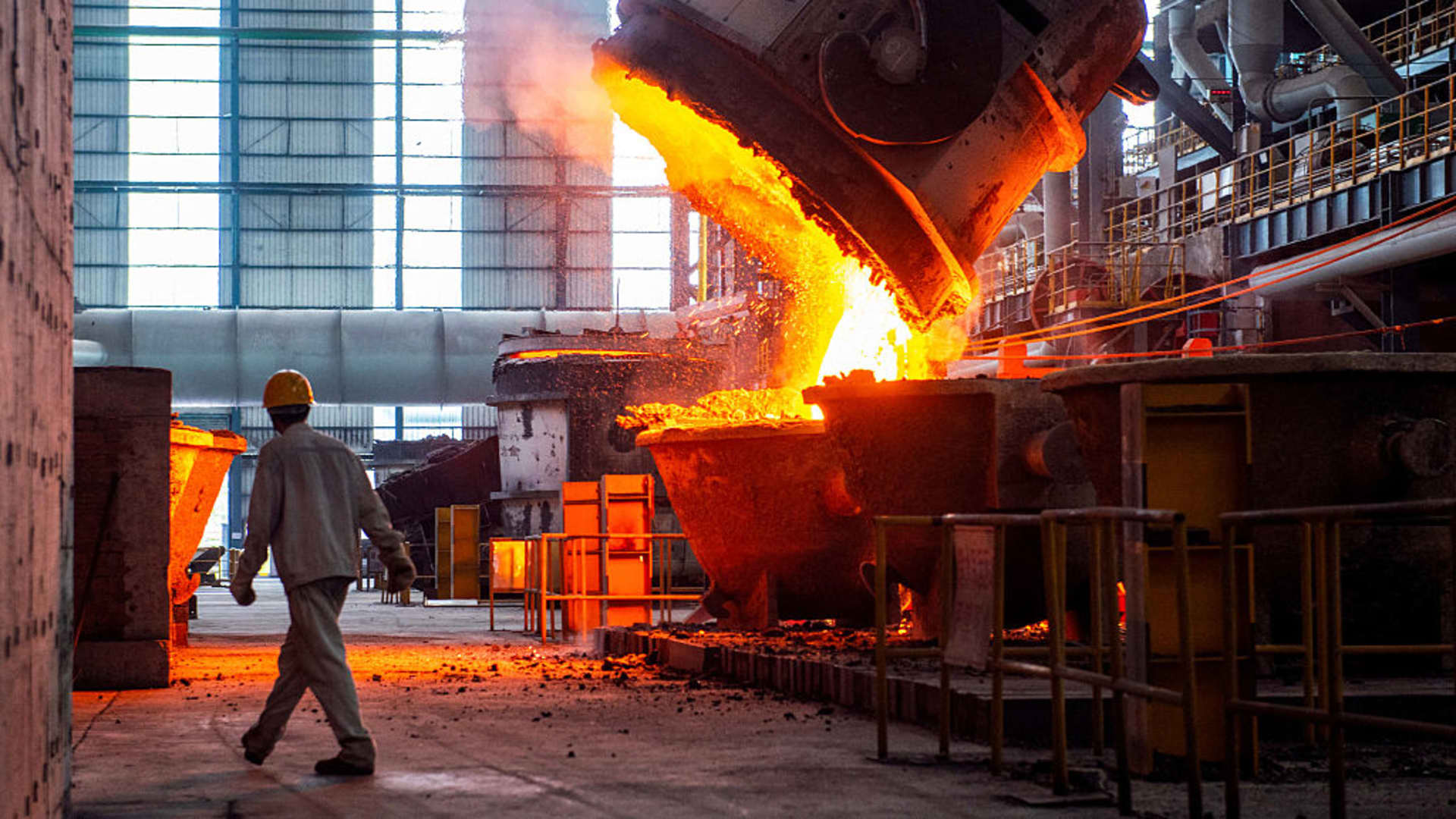
The European Union stands on the cusp of implementing a groundbreaking piece of climate legislation: its Carbon Border Adjustment Mechanism (CBAM). Less than three months away from its full launch on January 1 next year, this policy is poised to redefine global trade dynamics, imposing a cost on carbon-intensive imports like steel, fertilizers, cement, aluminum, and hydrogen. For oil and gas investors, understanding CBAM is critical, not just for its direct impact on industrial energy demand, but for the ripple effects it will have across global supply chains and geopolitical relations.
CBAM’s core objective is twofold: to slash greenhouse gas emissions from heavy industries within the EU and to prevent “carbon leakage” – the relocation of production to countries with less stringent environmental regulations. Importers bringing specified goods into the EU will be required to purchase CBAM certificates, with their cost mirroring the EU Emissions Trading System (ETS) market price. This mechanism aims to level the playing field, ensuring that both domestic and imported goods face similar carbon costs. While the immediate focus is on specific industrial sectors, the broader implication for global manufacturing processes and the energy sources powering them cannot be overstated. Companies sourcing components or raw materials from affected industries will face increased costs, potentially shifting demand patterns for the energy feedstocks used in their production.
Geopolitical Pushback and the Risk of Trade Fragmentation
The EU’s ambitious carbon tariff has not been met with universal approval, sparking significant vocal opposition from major global economies. The United States, China, India, and Brazil are among the prominent nations that have expressed strong concerns, with some even alluding to potential retaliatory measures. This geopolitical friction introduces a substantial layer of uncertainty into the global trade landscape, which can have indirect but profound consequences for energy markets.
The U.S., for instance, has warned that European climate rules could jeopardize existing trade agreements, signaling potential for a broader trade dispute. Should these tensions escalate into tit-for-tat tariffs or other protectionist measures, the resulting fragmentation of global supply chains could dampen economic growth worldwide. Our readers often inquire about the long-term trajectory of oil prices, with a frequent question being: “What do you predict the price of oil per barrel will be by end of 2026?” The emergence of widespread trade disputes, potentially triggered or exacerbated by CBAM, represents a significant downside risk to global industrial activity and, consequently, to overall crude oil demand forecasts for 2026 and beyond. Investors must carefully assess how this geopolitical dynamic might influence global GDP growth projections and the energy intensity of economies navigating these new trade barriers.
Market Volatility Amidst Shifting Trade Winds
The looming implementation of CBAM adds another layer of complexity to an already volatile energy market. As of today, Brent crude trades at $90.38, reflecting a significant -9.07% drop over the past 24 hours, with WTI crude similarly down -9.41% at $82.59. This recent downturn indicates broader market anxieties, following a 14-day trend where Brent has fallen by nearly 20% from $112.78 on March 30th to its current level. Gasoline prices also reflect this bearish sentiment, currently at $2.93, a -5.18% decrease.
While CBAM’s direct impact on crude oil prices is not immediate, the uncertainty it injects into international trade and industrial production is a palpable factor. A global slowdown, or even localized disruptions in trade of carbon-intensive goods, could suppress manufacturing output and logistics activity, thereby reducing overall industrial demand for energy. Conversely, industries forced to adapt to CBAM by investing in cleaner production processes could see shifts in their energy mix, potentially increasing demand for natural gas or renewables over more carbon-intensive alternatives in the long run. Investors should recognize that the policy, while targeting emissions, casts a wide net, influencing everything from raw material costs to consumer prices, ultimately affecting the demand side of the energy equation.
Navigating the Road Ahead: Key Events and Investment Signals
For energy investors, the confluence of CBAM’s upcoming implementation and near-term market catalysts demands careful attention. A critical event on the immediate horizon is the OPEC+ Ministerial Meeting scheduled for April 19th. Our readers frequently ask, “What are OPEC+ current production quotas?” The decisions made at this meeting, particularly regarding production levels, will be paramount. Against a backdrop of potential global trade friction and slowing industrial activity influenced by CBAM, OPEC+ may adopt a more cautious approach to supply management, aiming to stabilize prices amidst uncertain demand signals.
Furthermore, granular insights into market fundamentals will emerge from the API Weekly Crude Inventory reports on April 21st and April 28th, followed by the EIA Weekly Petroleum Status Reports on April 22nd and April 29th. These releases offer crucial data points on U.S. crude, gasoline, and distillate stocks, providing a near real-time snapshot of supply-demand dynamics. Any unexpected builds in inventory could signal softening demand, potentially exacerbated by global economic headwinds related to trade policy. The Baker Hughes Rig Count on April 24th and May 1st will also offer insights into future production capacity, indicating producers’ confidence in the current price environment and their outlook for demand, which is increasingly shaped by macro-economic factors including the evolving international trade landscape. Prudent investors will integrate these immediate data points with the longer-term implications of CBAM to position their portfolios effectively.