The Middle East, a perennial crucible of geopolitical tension, has once again demonstrated its capacity for rapid escalation and equally swift, if tenuous, de-escalation. The past week saw a concerning surge in hostilities, culminating in direct, retaliatory strikes between major regional players. Yet, just as the global energy markets braced for sustained disruption, an unexpected call for a “Complete and Total CEASEFIRE” emerged, offering a glimmer of hope for stability. This sudden pivot, however, creates a uniquely fragile peace, demanding a nuanced perspective from oil and gas investors. While markets initially welcomed the potential for calm, the underlying risks to oil supply remain profoundly elevated, forcing a re-evaluation of near-term price forecasts and long-term regional stability.
The Swift Erosion of the Risk Premium
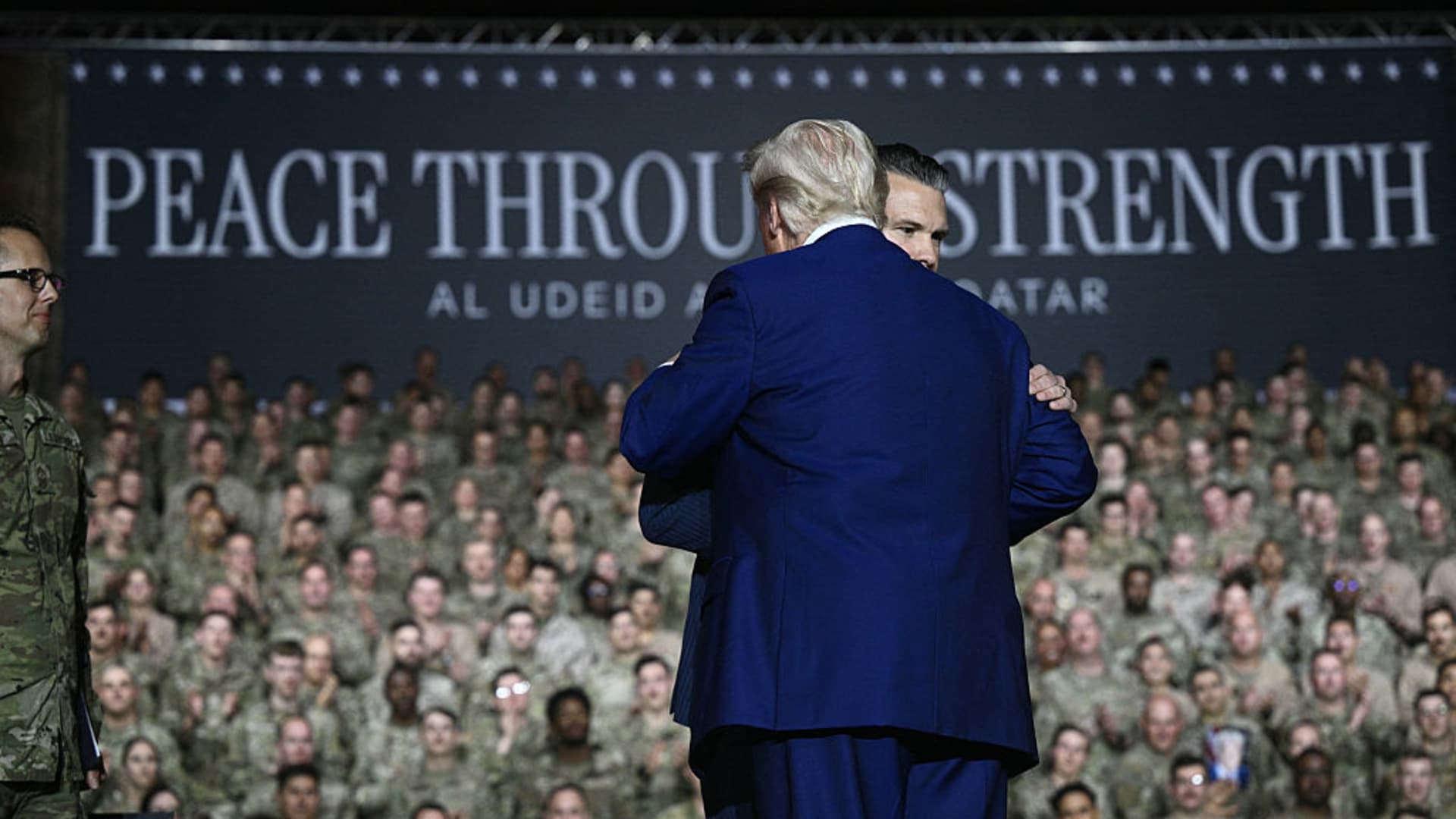
The sequence of events unfolded with alarming speed. Following initial strikes on Iranian nuclear sites, Iran launched a retaliatory missile strike on the significant Al-Udeid military base in Qatar, a critical hub for American forces in the Middle East. While such an exchange would typically send oil prices soaring, market reactions told a different story. As of today, Brent crude trades at $93.22, representing an 8.8% decline from its level of $102.22 observed just two weeks prior. This significant drop indicates that the market quickly priced in the expectation of de-escalation, effectively eroding the geopolitical risk premium that often accompanies Middle East instability. Reports suggest that the retaliatory strike by Iran was carefully calibrated, with advanced warnings given to both the United States and Qatar. This strategic communication, aimed at projecting strength while avoiding a wider conflict, has been interpreted by many as a deliberate “off-ramp” for all parties involved. Investors, sensing a mutual desire to avoid a full-blown regional war, reacted by unwinding long positions and betting on a return to fundamental drivers. However, reliance on such a fragile diplomatic tightrope for sustained market stability is a high-stakes gamble.
Beyond the Ceasefire Rhetoric: Lingering Vulnerabilities
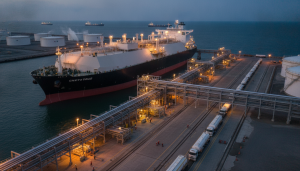
While the prospect of a ceasefire offers immediate relief, its official confirmation and long-term viability remain uncertain. Despite the public announcement, neither Iran nor Israel has independently confirmed their agreement to the proposed ceasefire timeline. This lack of official, bilateral endorsement introduces a significant element of doubt, suggesting that the “peace” may be more aspirational than actual. The underlying tensions that triggered this latest escalation – Israel’s ongoing conflict with Iran and the significant US military presence in the region – have not been resolved. The symbolic nature of the recent strikes, while designed to prevent uncontrolled escalation, also underscores the volatile environment. Any misstep, miscalculation, or renewed provocation could quickly unravel this delicate equilibrium. For oil markets, the Persian Gulf remains a vital artery for global supply, and any sustained disruption to shipping lanes, production facilities, or export terminals in the region would have immediate and severe consequences for crude prices. Investors must look past the immediate headlines and assess the enduring potential for renewed instability.
Investor Focus Shifts: Ahead of Critical Supply Decisions
Our proprietary reader intent data offers clear insight into investor priorities this week: market participants are intensely focused on building a robust base-case Brent price forecast for the next quarter and understanding the consensus outlook for 2026. This indicates a strong desire to look beyond the immediate geopolitical turbulence and assess the fundamental supply-demand dynamics. If the current fragile peace holds, the market’s attention will quickly pivot to upcoming supply-side catalysts. The OPEC+ Joint Ministerial Monitoring Committee (JMMC) meeting on April 18th, followed by the full OPEC+ Ministerial meeting on April 20th, will be paramount. These meetings will dictate the collective production strategy of the world’s leading oil producers, directly influencing global supply levels. Any decision by OPEC+ to adjust current quotas, whether to maintain cuts or gradually increase output, will be a primary driver for crude prices in the coming weeks. Furthermore, weekly data releases such as the API Crude Inventory report on April 21st and the EIA Weekly Petroleum Status Report on April 22nd will provide crucial insights into inventory levels and demand trends within the largest consuming nations, shaping the market’s fundamental outlook. The intersection of these scheduled events with the current geopolitical uncertainty creates a complex landscape for forecasting, where geopolitical calm allows fundamentals to dominate, but renewed tensions could quickly overshadow any supply management decisions.
Navigating the Volatility: Strategies for Oil & Gas Investors
The current environment demands a proactive and vigilant approach from oil and gas investors. While the market has reacted positively to the prospect of de-escalation, the “peace through strength” strategy, by its very nature, carries inherent risks. The lack of independent confirmation of the ceasefire from all parties involved means that the situation could deteriorate rapidly. Investors should consider building scenarios that account for both sustained calm, where market fundamentals (OPEC+ decisions, demand growth, inventory levels) dictate price, and renewed escalation, which would undoubtedly inject a significant geopolitical risk premium back into crude prices. Monitoring official statements from Tehran and Jerusalem, beyond the initial declarations, will be crucial. Furthermore, keeping a close eye on the broader regional security posture, including naval movements in the Persian Gulf and rhetoric from various proxy groups, will offer early indicators of shifting dynamics. For now, the prevailing investment thesis must acknowledge the “fragile peace” for what it is: a temporary abatement of direct hostilities, not a fundamental resolution of the deep-seated tensions that continue to threaten global oil supply. Prudent portfolio management in this environment requires agility, robust risk assessment, and a readiness to react swiftly to evolving geopolitical realities.