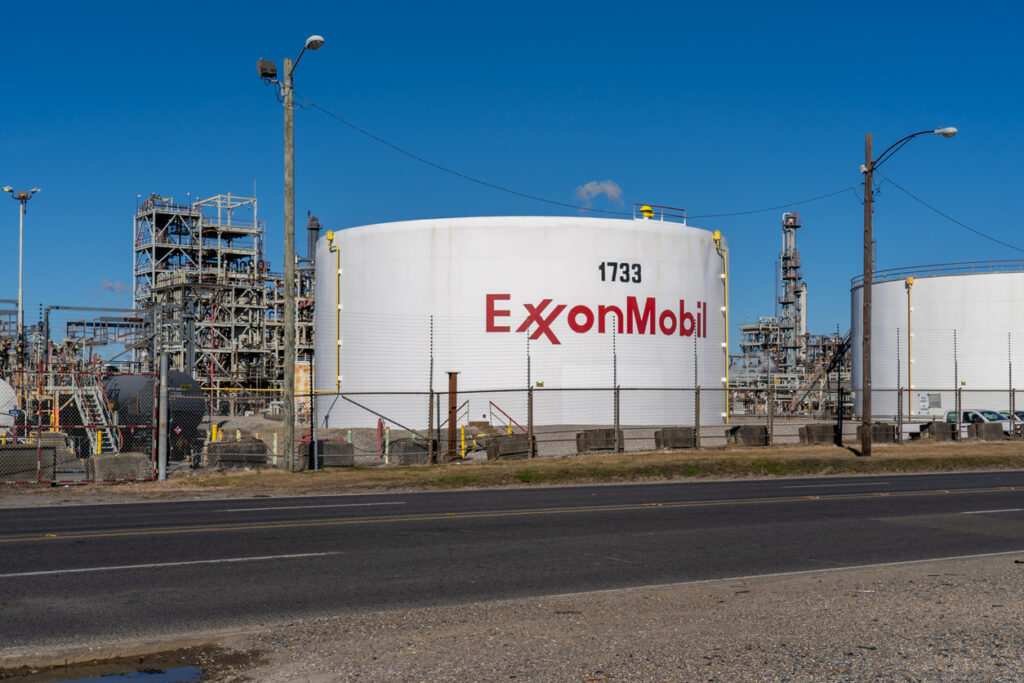
The energy sector is once again confronting a period of significant recalibration, a reality underscored by ExxonMobil’s recent announcement of approximately 2,000 global job reductions. While the headline might suggest a direct reaction to fluctuating crude prices, our analysis indicates this move is a continuation and acceleration of a deeply ingrained, multi-year strategic overhaul. These reductions, representing between 3% and 4% of Exxon’s worldwide workforce, are not merely cyclical cuts but integral components of a proactive drive to enhance operational efficiency and solidify its competitive position for decades to come. This strategy, initiated well before the recent market volatility, aims to streamline a sprawling global footprint, reshape the organizational structure, and ultimately deliver greater value to shareholders in an increasingly dynamic energy landscape.
Exxon’s Proactive Restructuring: Beyond Cyclical Reactions
Unlike some peers whose recent workforce reductions are primarily direct responses to tumbling crude prices, ExxonMobil’s strategic restructuring has been underway since 2019. CEO Darren Woods initiated this ambitious plan to simplify the company’s complex operational structure, which had grown significantly since the merger with Mobil two decades ago. Initially comprising nine functional companies operating with considerable autonomy, Exxon has successfully consolidated into three core divisions: production, refining, and low-carbon solutions. This reorganization has fostered shared services like engineering, IT, and project management, effectively dismantling layers of bureaucracy and eliminating redundant support functions.
The tangible results of this foresight are already substantial. Since 2019, Exxon has reported a remarkable $13.5 billion in annual cost savings, a figure the company states exceeds the combined savings of all other international oil majors during the same period. Furthermore, the company aims to boost these annual savings by an additional 30% through the end of the decade. This aggressive pursuit of efficiency extends to its subsidiaries; Imperial Oil Ltd., nearly 70% owned by Exxon, recently announced a significant 20% reduction in its workforce, signaling a consistent strategic directive across the integrated enterprise. These actions demonstrate a clear commitment to structural advantage, rather than simply reacting to the immediate whims of the market.
Navigating Volatility: Market Headwinds and Investor Outlook
The backdrop for these strategic moves is a volatile crude market that demands robust corporate resilience. As of today, Brent Crude trades at $90.38 per barrel, experiencing a sharp 9.07% decline within the day, with its range fluctuating between $86.08 and $98.97. Similarly, WTI Crude stands at $82.59, down 9.41% for the day, having traded between $78.97 and $90.34. This immediate downturn is part of a broader trend, with Brent having shed nearly 20% of its value in just the last 14 days, falling from $112.78 on March 30th to its current level. Gasoline prices reflect this pressure, trading at $2.93, a 5.18% drop today.
This market volatility directly addresses a key question frequently posed by our readers: “What do you predict the price of oil per barrel will be by end of 2026?” While precise predictions are inherently challenging, Exxon’s deep-seated restructuring provides an important lens through which to view long-term investment viability. By aggressively cutting costs and streamlining operations, Exxon aims to lower its breakeven costs and improve capital efficiency, making the company more resilient to price downturns and better positioned to capitalize on upswings. This approach suggests a focus on creating value regardless of the precise future price point, offering a more stable investment thesis in an otherwise unpredictable commodity market.
Operational Consolidation and Future Growth Pillars
A central pillar of Exxon’s restructuring involves the consolidation of smaller offices into strategically located regional hubs. These hubs are designed to focus on and support the company’s major growth initiatives. For instance, the company has announced plans to relocate employees from Brussels and Leatherhead, UK, to central London, strengthening its global trading operations. Other key hubs will center around high-growth areas such as its prolific oil operations in Guyana and its expanding liquefied natural gas (LNG) endeavors along the U.S. Gulf Coast.
This geographic and operational consolidation is more than just a cost-cutting measure; it’s a strategic alignment of resources with future value creation. By bringing teams closer to core assets and strategic centers, Exxon aims to improve decision-making speed, enhance operational oversight, and foster greater collaboration. Since 2019, the company’s global workforce has decreased by nearly 20%, with 61,000 employees at the end of 2024. These changes are designed to not only drive efficiency but also to enable better performance, including improved maintenance of major facilities and more effective sharing of best practices across business units, ultimately reinforcing its competitive advantages in key growth areas.
Upcoming Events and Long-Term Investor Foresight
As investors look ahead, several near-term events will undoubtedly shape market sentiment and short-term price movements. The upcoming OPEC+ Full Ministerial Meeting on April 19th is paramount, with participants closely watching for any adjustments to production quotas, a topic frequently raised by our readers asking about “OPEC+ current production quotas.” Following this, the API Weekly Crude Inventory report on April 21st and the EIA Weekly Petroleum Status Report on April 22nd will provide crucial insights into immediate supply-demand dynamics. Further ahead, the Baker Hughes Rig Count on April 24th will offer a gauge of North American drilling activity.
While these events are critical for tactical trading and short-term market analysis, Exxon’s comprehensive restructuring strategy underscores a long-term vision that transcends immediate market reactions. By embedding deep structural efficiencies and focusing on high-return assets, the company aims to insulate its profitability from the inevitable swings influenced by OPEC+ decisions or weekly inventory data. For investors, Exxon’s proactive stance on competitiveness and cost control, as evidenced by these job reductions and strategic consolidations, positions it as a company building resilience for a future that will continue to be shaped by both market fundamentals and geopolitical factors. This unwavering commitment to operational excellence is precisely what discerning investors seek when navigating the complexities of the global energy sector.