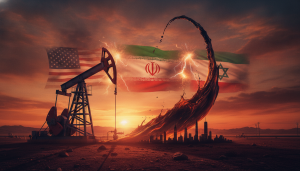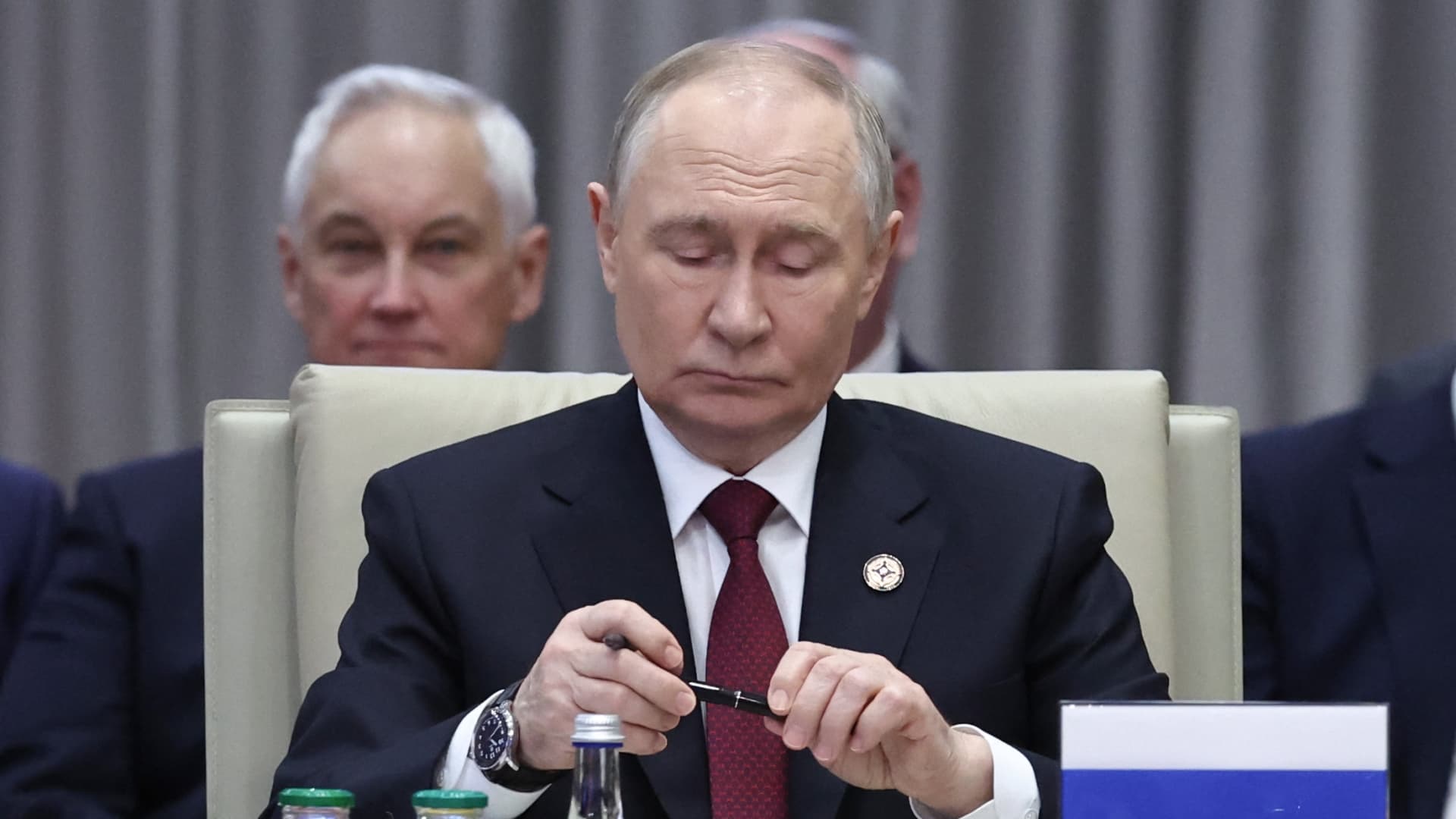
The global energy landscape is undergoing a profound transformation, marked by escalating geopolitical tensions and a persistent struggle for supply security. As the European Union grapples with the dual challenge of weaning itself off Russian energy and navigating a global supply crunch exacerbated by the U.S.-Israeli war on Iran, oil and gas investors face unprecedented volatility. European Commission President Ursula von der Leyen recently underscored the EU’s commitment to its long-term strategy of decoupling from Russian fossil fuels, labeling any deviation as a “strategic blunder.” Simultaneously, Russian President Vladimir Putin has signaled Moscow’s intent to proactively cut off supplies to Europe, rather than await a complete rejection. This complex interplay of policy, geopolitics, and market dynamics creates a high-stakes environment where understanding the nuances is paramount for informed investment decisions.
Market Dynamics Amidst Geopolitical Crosscurrents
The immediate impact of global instability is clearly reflected in crude prices. As of today, Brent Crude trades at $92.86 per barrel, a slight dip of 0.41% within a daily range of $92.57 to $94.21. Similarly, WTI Crude stands at $89.29, down 0.42%, having moved between $88.76 and $90.71. While these figures indicate a minor intraday pullback, it’s crucial to contextualize them against the broader market sentiment. Our proprietary 14-day trend data reveals that Brent crude has actually softened from $101.16 on April 1st to $94.09 on April 21st, representing a 7% decline. This contrasts sharply with narratives of “soaring prices” and suggests that while geopolitical events like the war in Iran have indeed pushed baseline prices higher, the market is experiencing significant short-term consolidation and uncertainty, creating a challenging environment for directional bets. The EU’s strategic resolve to deprive Russia of energy revenues, even as some member states like Hungary advocate for lifting sanctions to ease the supply crisis, adds another layer of complexity. This internal EU debate, combined with external supply shocks, keeps a floor under prices despite recent dips, indicating underlying tightness.
Russia’s Proactive Energy Weaponization Strategy
Moscow’s declared intention to “not wait for Europe to completely reject its oil and gas” represents a significant escalation in the energy standoff. President Putin has tasked his government with evaluating the feasibility of stopping fuel supplies to Europe proactively, aiming to redirect these volumes to “more promising areas.” This strategic pivot would undoubtedly reshape global energy flows. For investors, this move carries several implications: first, it signals Russia’s willingness to use energy as a potent geopolitical tool, potentially creating further supply shocks in the European market. Second, it highlights the increasing importance of alternative markets, particularly in Asia, for Russian exports. Companies with exposure to European refining capacity or those relying on traditional Russian supply routes could face headwinds, while those positioned to facilitate new trade corridors or serve growing Asian demand might see opportunities. The logistical challenges of such a redirection are immense, yet Russia’s long-term commitment to establishing new footholds in non-European markets is clear, underscoring a permanent shift in global energy alliances.
Addressing Investor Uncertainty and Price Direction
The current market volatility naturally sparks significant questions among our readers, mirroring the broader investor community’s apprehension. Queries such as “is WTI going up or down?” and “what do you predict the price of oil per barrel will be by end of 2026?” highlight the prevailing uncertainty regarding short-term price movements and long-term outlooks. The recent G7 energy ministers’ meeting in Paris, discussing the possible release of emergency oil stocks by the International Energy Agency, underscores the urgency of addressing supply concerns. Any decision on this front could provide a temporary reprieve for prices, but the underlying geopolitical tensions and structural supply deficits would likely persist. Furthermore, the EU is exploring domestic measures to lower energy prices, including state aid, power purchasing agreements, and subsidies or caps on energy prices. While these initiatives aim to shield consumers, they introduce regulatory uncertainty for energy producers and utilities operating within the bloc, potentially impacting investment decisions in European energy infrastructure and production. Investors are actively seeking clarity on how these policy interventions will interact with global supply dynamics and ultimately shape the profitability of energy assets.
Key Upcoming Events Shaping the Energy Outlook
For discerning oil and gas investors, maintaining a keen eye on upcoming market catalysts is essential for navigating the current landscape. Our proprietary event calendar highlights several critical releases in the coming weeks that will offer deeper insights into supply-demand balances and production trends. Tomorrow, April 22nd, marks the release of the EIA Weekly Petroleum Status Report, followed by another on April 29th and May 6th. These reports provide crucial data on crude oil, gasoline, and distillate inventories, as well as refinery utilization rates, offering a snapshot of U.S. supply dynamics. Investors will be scrutinizing these figures for signs of inventory builds or draws, which are key indicators of market tightness or surplus. Additionally, the Baker Hughes Rig Count on April 24th and May 1st will shed light on North American drilling activity, signaling potential future production trends. The API Weekly Crude Inventory reports on April 28th and May 5th will serve as early indicators ahead of the official EIA data. Perhaps most significantly, the EIA Short-Term Energy Outlook (STEO) on May 2nd will provide updated forecasts for global and domestic oil and gas markets, offering a comprehensive perspective on supply, demand, and price projections through the end of 2026. These events, particularly in the context of ongoing geopolitical conflicts and strategic energy realignments, are indispensable for formulating robust investment strategies in the volatile energy sector.