EU Escalates Financial Pressure on Russia: What It Means for Oil Markets
Brussels is strategically recalibrating its approach to financial pressure on Russia, signaling a significant shift that could have profound implications for global energy markets, regardless of ongoing diplomatic efforts or internal European Union political hurdles. The EU is actively developing contingency plans for trade tariffs and capital controls designed to maintain economic leverage over Moscow, even if individual member states, such as Hungary, attempt to block the extension of the current sanctions regime set to expire in July.
This proactive stance underscores a determined effort by the European Commission to ensure continuity in its financial campaign against Russia. Information provided to member states indicates that a substantial portion of the existing sanctions, including the freeze of approximately 200 billion euros ($224 billion) in Russian assets, could be re-framed under a new legal architecture. This innovative legal maneuver aims specifically to bypass any potential veto from Budapest, highlighting the EU’s resolve to act decisively.
Hungary’s Stance and Energy Dependencies
Hungary’s Prime Minister, Viktor Orban, has consistently presented a challenge to the EU’s collective response to Moscow. His nationalist administration maintains close ties with Russia, and Hungary’s substantial reliance on Russian energy, receiving 85 percent of its natural gas from the country, often places it at odds with broader EU policy. This internal dynamic within the EU creates a complex geopolitical backdrop, directly influencing the stability and predictability of energy supply routes and pricing for investors.
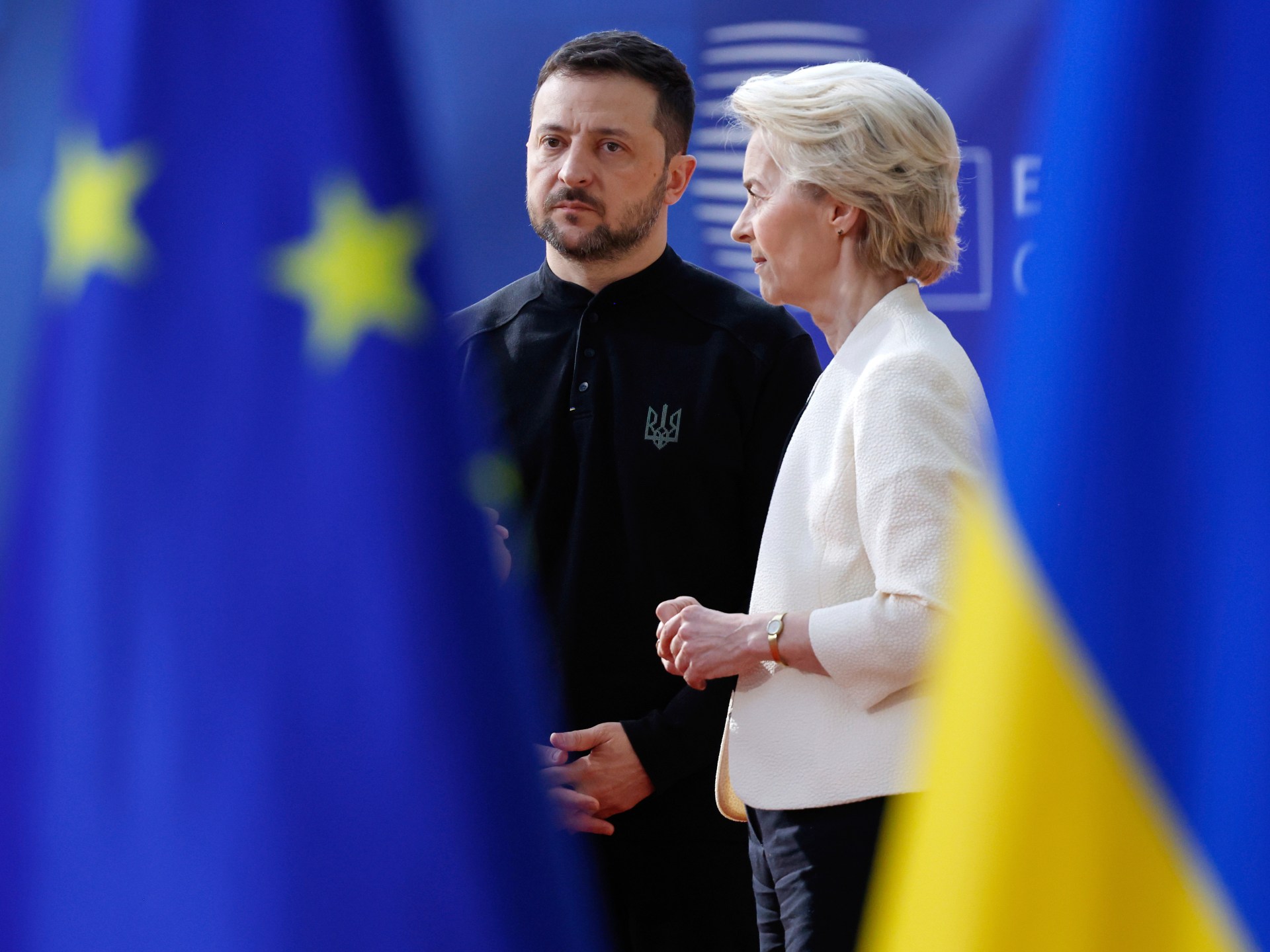
The emergence of these new EU proposals coincides with a delicate period of diplomatic engagement. Moscow and Kyiv are currently holding their first direct peace talks since Russia’s full-scale invasion of Ukraine in February 2022. These critical discussions are taking place in Istanbul, Turkiye, though Russian President Vladimir Putin is not attending in person to meet with Ukrainian President Volodymyr Zelenskyy. Prior to these talks, European leaders pressed for a 30-day ceasefire, a proposal Ukraine accepted but Russia declined. While direct peace talks might initially offer a glimmer of hope for de-escalation, the simultaneous intensification of EU financial strategy suggests a long-term commitment to economic pressure, irrespective of immediate battlefield developments.
The 17th Sanctions Package: Tightening the Screws on Russian Oil
In a tangible demonstration of its unwavering resolve, the EU recently adopted its 17th package of sanctions against Moscow. This comprehensive set of measures, which has received Budapest’s approval and awaits formal ratification by the European Commission, is engineered to further constrict Russia’s economic lifeline and compel an end to the conflict in Ukraine. For energy investors, understanding the specifics of this package is crucial, as it directly impacts global oil flows, shipping logistics, and price discovery mechanisms.
Since 2022, Brussels has incrementally expanded its restrictive measures. These have included outright import bans on Russian crude oil, the implementation of a price cap on Russian refined fuels, and the freezing of Russian central bank assets held within European financial institutions. The scope of these restrictions is vast, impacting numerous sectors of the Russian economy—from media and aviation to telecommunications—alongside comprehensive trade bans and targeted actions against oligarchs and high-ranking politicians.
The 17th package introduces particularly impactful measures for the oil sector. It specifically targets approximately 200 “shadow fleet” tankers. These vessels, characterized by their opaque ownership structures and lack of traditional Western financial or insurance ties, have been instrumental in allowing Russia to circumvent previous financial sanctions and maintain its oil export volumes. By sanctioning these ships, the EU aims to significantly disrupt Russia’s ability to transport its oil to market, potentially increasing shipping costs, reducing available capacity, and thereby tightening global supply. This development introduces a new layer of risk and cost for any entity involved in the illicit trade of Russian crude and products, impacting freight rates and availability for all market participants.
Global Reach: Targeting Evasion Networks
Beyond the shadow fleet, the latest sanctions package extends its reach to entities in China and Turkiye, which the EU alleges are actively assisting Russia in evading existing embargoes. New restrictions will be imposed on 30 companies involved in the trade of dual-use goods—products that possess both civilian and potential military applications. This expansion underscores a broader strategy to dismantle the global networks facilitating Russia’s war effort and its ability to monetize its energy resources.
As France’s foreign minister, Jean-Noel Barrot, articulated, “closing the tap would grab Russia by the throat.” This statement encapsulates the strategic intent behind these increasingly stringent measures. For oil and gas investors, this translates into elevated geopolitical risk premiums, potential supply disruptions, and increased volatility in energy prices. The efficacy of these sanctions, however, remains a subject of intense debate among analysts. While they undoubtedly impose significant costs on the Russian economy, Moscow has demonstrated considerable resilience in adapting its trade routes and finding new buyers, primarily in Asia.
Investor Outlook: Navigating Persistent Uncertainty
The continuous evolution of the EU’s sanctions regime, coupled with the ongoing conflict and sporadic peace talks, creates a landscape of persistent uncertainty for oil and gas markets. Investors must closely monitor several key dynamics:
- **Supply-Side Disruptions:** The targeting of shadow fleet tankers and evasion networks could genuinely impede Russian oil exports, potentially leading to tighter global supply and upward pressure on crude prices.
- **Shipping and Logistics Costs:** Increased scrutiny and sanctions compliance risk will likely elevate freight rates and insurance premiums for all maritime transport, affecting the overall cost of delivering oil to market.
- **Geopolitical Risk Premium:** The escalating economic warfare ensures that a significant geopolitical risk premium will remain embedded in oil prices, reflecting the potential for sudden supply shocks or escalations.
- **Global Trade Realignments:** The long-term impact of these sanctions accelerates the realignment of global energy trade flows, with non-Western buyers playing an increasingly critical role in absorbing Russian exports. This shift creates new dependencies and potential vulnerabilities in global energy security.
- **Effectiveness of Enforcement:** The true impact of these sanctions will hinge on the effectiveness of enforcement mechanisms and the willingness of international partners to comply, or conversely, to find new avenues for circumvention.
In conclusion, the EU’s strategic pivot towards a more robust and veto-proof sanctions framework, alongside the focused targeting of critical evasion mechanisms like the shadow fleet, signals a protracted period of financial pressure on Russia. For astute investors in the oil and gas sector, understanding these complex geopolitical and economic maneuvers is paramount to navigating the inherent volatility and identifying both the risks and potential opportunities in a constantly evolving global energy landscape.