EU Intensifies Scrutiny on Russia’s Shadow Oil Fleet, Raising Maritime Sector Risks
The global energy landscape faces renewed volatility as European Union lawmakers escalate their campaign against Russia’s clandestine oil export network. A concerted, cross-party effort within the European Parliament is now directly confronting Greece, urging Athens to dismantle the mechanisms that enable Moscow to circumvent G7 sanctions and finance its ongoing conflict. For oil and gas investors, this intensified pressure signals a significant tightening of regulatory enforcement and heightened compliance risks across the maritime shipping sector, particularly impacting operations in the critical Eastern Mediterranean trade routes.
This assertive stance by EU parliamentarians highlights the growing impatience with the perceived loopholes in the existing sanctions regime. The stakes are undeniably high: not only does this illicit trade replenish Russia’s war chest, but it also introduces substantial environmental and security hazards for maritime nations like Greece, which often bear the brunt of such unregulated activities.
Athens Under Pressure: Halting the Flow of Illicit Vessels
A formidable coalition of 36 Members of the European Parliament, representing diverse nations and political affiliations, has formally addressed Greek Prime Minister Kyriakos Mitsotakis. Their joint letter unequivocally demands that Greece implement all necessary measures to halt new sales of Greek-owned vessels to Russian entities. Lawmakers assert that these transactions directly empower the Kremlin to maintain and expand its covert shipping operations, allowing Russian crude to bypass the G7-imposed price cap and continue generating vital revenue streams.
Beyond preventing new vessel sales, the MEPs are pushing for enhanced efforts to curb ship-to-ship (STS) transfers – a deceptive technique central to the shadow fleet’s strategy, designed to obfuscate cargo provenance and origin. Furthermore, the legislators call for initiatives to actively discourage Greek maritime companies from transporting Russian oil altogether. This political maneuver underscores a strategic shift towards more direct and forceful intervention, compelling a nation with deep historical ties to the shipping industry to take a more stringent stance against a lucrative, albeit controversial, trade.
Unmasking the Shadow Fleet: Russia’s Sanctions Evasion Strategy
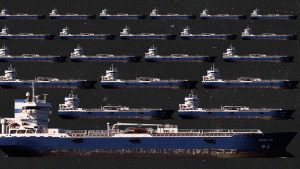
Russia’s “shadow fleet” comprises a vast network of aging tankers, often operating under obscure ownership structures and flags of convenience. These vessels are instrumental in moving Russian oil globally, frequently undertaking STS transfers in open waters to mix cargoes, obscure origins, and ultimately facilitate sales above the G7 price cap of $60 per barrel. This complex logistical dance directly undermines international efforts to curtail Russia’s financial capacity to wage war, creating an opaque market that thrives on regulatory arbitrage and enforcement gaps.
The operational mechanics of this fleet introduce significant risks beyond sanctions evasion. Older, less-maintained vessels, often uninsured or underinsured by reputable Western providers, pose considerable environmental threats. Potential collisions, spills, or groundings could lead to catastrophic ecological damage, particularly in sensitive maritime regions. For investors, exposure to any entity involved in such operations carries not only significant compliance and legal risks but also substantial reputational and environmental, social, and governance (ESG) liabilities.
Greece’s Pivotal, Yet Contested, Role
Recent analyses have highlighted Greece’s substantial, if perhaps unintended, contribution to the growth of Russia’s shadow fleet. A comprehensive study by the Brookings Institution, a leading American think tank, revealed that over half of the vessels within Russia’s illicit tanker network originated from Western European owners. Strikingly, Greece emerged as “by far the most frequent sellers” of these vessels. This finding corroborates earlier research from the European Parliament’s own research service, reinforcing the scale and strategic importance of the issue.
Lithuanian liberal lawmaker Petras Auštrevičius, a key proponent of the joint letter, sharply criticized these “irresponsible actions.” He emphasized that such financially motivated dealings not only contribute to human suffering but also fundamentally undermine broader European and Greek security interests, including posing severe environmental hazards to coastal communities. While Greek Prime Minister Mitsotakis’s office has yet to issue a direct response to the letter, a spokesperson indicated that Greek authorities remain committed to ensuring sanctions compliance and preventing any circumvention within their territory, a statement that now faces intense scrutiny.
Historically, Greece, with its powerful maritime industry and extensive coastal ties, played a significant role in the trade of Russian fossil fuels. Although EU sanctions have substantially reduced this activity, it has not entirely ceased. It’s important to note that EU member states are still authorized to purchase Russian crude, provided the G7 price cap is observed and the transport is handled by non-EU vessels, illustrating the complex web of regulations and exemptions that the shadow fleet exploits.
Investment Implications: Navigating Heightened Maritime Risk
For investors deeply entrenched in the oil and gas sector or those with exposure to maritime shipping, these developments necessitate a rigorous reassessment of risk. The increased political pressure on Greece signals a broader trend towards stricter enforcement of sanctions, potentially leading to more aggressive measures against companies and vessels perceived to be involved in illicit trade. This could manifest as increased scrutiny, vessel detentions, fines, or even asset seizures, creating significant operational and financial headwinds.
The potential removal or disruption of a substantial portion of the shadow fleet’s capacity could have a multifaceted impact on global tanker markets. A reduction in available vessels, particularly for certain trade routes, could lead to increased freight rates for compliant operators and potentially boost the asset values of modern, sanctions-compliant tankers. Conversely, companies with direct or indirect exposure to the shadow fleet face escalating compliance costs, higher insurance premiums for perceived high-risk voyages, and potential legal battles that could erode shareholder value.
Furthermore, the geopolitical risk premium on oil prices could see an uptick. Any successful curtailment of Russia’s illicit exports might tighten global crude supply, leading to upward price pressure. Investors must closely monitor the effectiveness of these enforcement actions and their subsequent impact on crude benchmarks like Brent and WTI. Companies demonstrating robust compliance frameworks and transparent operations are likely to be favored in this evolving, high-stakes environment, while those with opaque structures or questionable dealings face an increasingly challenging future.
The Broader Geopolitical Context and Future Outlook
The EU’s targeted action against Greece underscores a wider, coordinated effort by Western powers to tighten the screws on Russia’s energy revenues. The G7 price cap, while not fully achieving its intended effect due to the shadow fleet, remains a cornerstone of this strategy. The current focus on Greece represents a critical test of the international community’s resolve to close loopholes and enforce sanctions more effectively.
Oil and gas investors should anticipate continued vigilance from regulators and political bodies regarding sanctions compliance. The maritime sector, as the primary conduit for global energy trade, will remain a focal point. Proactive risk management, transparent supply chains, and adherence to the highest ethical and legal standards will not only mitigate potential liabilities but also position companies favorably in an increasingly scrutinized global energy market. The coming months will reveal the true impact of this intensified pressure on both Russia’s illicit oil trade and the broader dynamics of international shipping.