Syria Sanctions Lifted: A New Horizon for Middle East Energy Demand
The global energy landscape is currently digesting a pivotal development as the European Union has formally withdrawn its long-standing economic sanctions against Syria. This move, representing the most substantial relaxation of Western economic pressure on Damascus in over a decade, signals a potential turning point for the war-torn nation and, by extension, the broader regional energy market. Following a similar policy shift by the United States in mid-May, this coordinated easing of restrictions opens critical pathways for investment, reconstruction, and significantly, a resurgence in energy demand within Syria.
For investors keenly observing the Middle East, the implications are profound. The lifting of these curbs is not merely a humanitarian gesture but a strategic recalibration that could unlock substantial economic activity. Syrian Foreign Minister Asaad al-Shaibani has already lauded the decision, emphasizing its anticipated contribution to the nation’s security and stability. Such stability is a cornerstone for any meaningful economic recovery, directly influencing the predictability and growth of energy consumption across all sectors.
Reigniting Economic Engines: The Demand for Energy
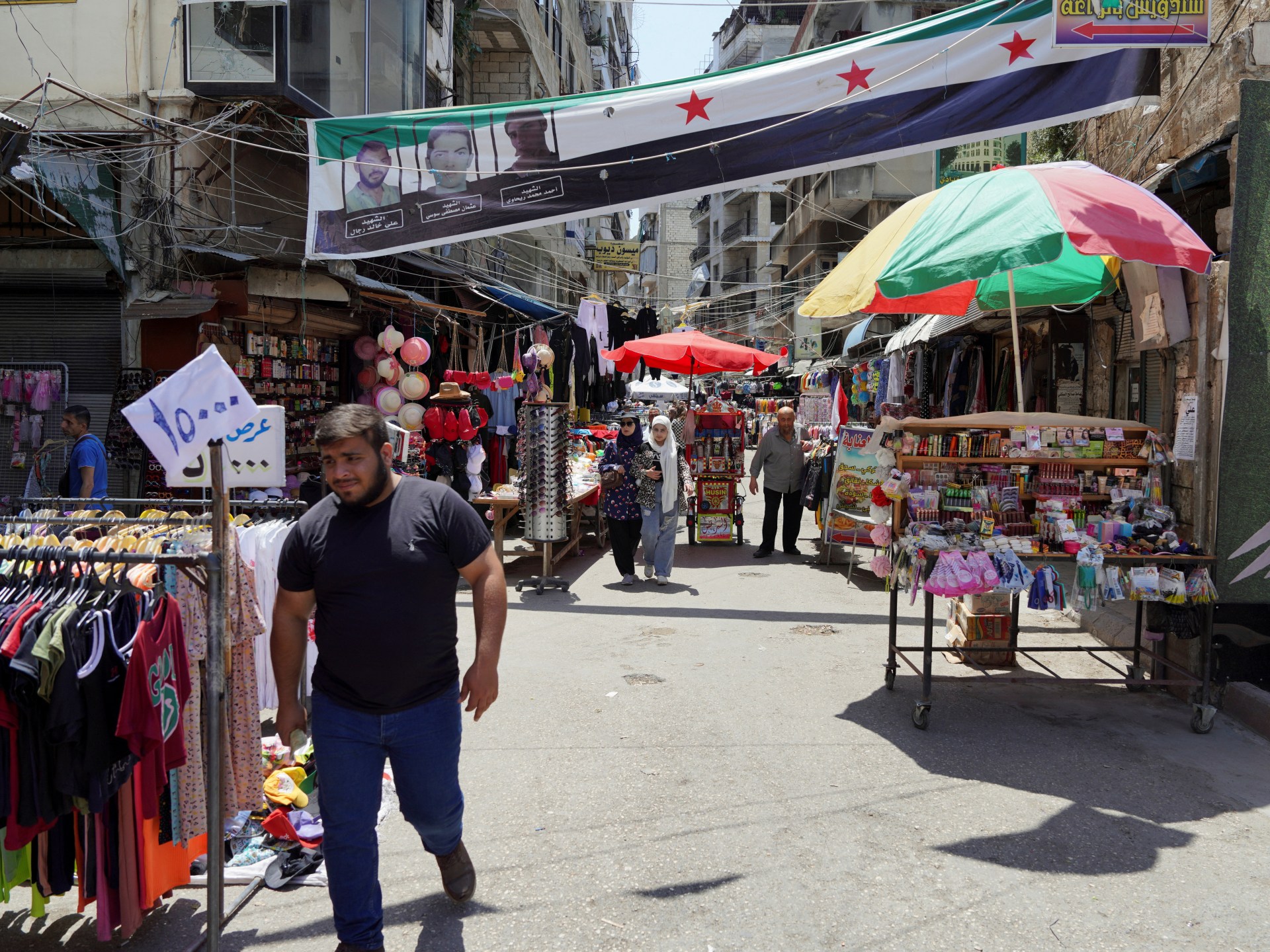
For years, Syrian enterprises have operated under severe duress, battling a crippling economic isolation that stifled trade, investment, and financial transactions. Entrepreneurs like Hassan Bandakji, a local business owner, are already reporting renewed outreach from international partners. “Companies that were previously unable to engage with us due to the sanctions are now making contact,” Bandakji stated, highlighting a palpable sense of anticipation for returning investment and market participation. This immediate commercial interest underscores the pent-up demand for goods and services that will invariably require significant energy input.
The practical obstacles faced by Syrian industries were formidable. Ali Sheikh Kweider, who manages a factory outside Damascus, recounted the acute challenges in acquiring essential raw materials and automated production lines. Furthermore, the inability to conduct international banking transactions effectively severed businesses from the global financial system. The re-establishment of these critical arteries—access to materials, machinery, and international finance—is paramount. As factories resume full operations, as new infrastructure projects commence, and as consumer activity revitalizes, the demand for refined petroleum products, natural gas for power generation, and electricity will experience a robust upward trajectory. This is a direct signal for energy producers and traders to monitor regional product markets closely.
A Unified Western Policy Shift and its Geopolitical Impact
The coordinated action by both the EU and the US underscores a unified Western approach to engage with Syria’s new political framework. The previous sanctions had targeted the administration of former Syrian President Bashar al-Assad, whose government was displaced in a rebel offensive in December of last year. The new interim government, led by ex-rebel leader and interim President Ahmed al-Sharaa, has consistently advocated for the removal of these economic impediments as a crucial step towards national rebuilding and international reintegration.
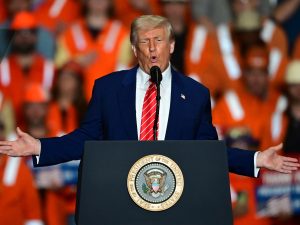
In a significant precursor to the current developments, US President Donald Trump, following a meeting with al-Sharaa in Saudi Arabia last week, indicated his intent to order the cessation of American sanctions on Syria. This convergence of policy from major Western powers provides a solid foundation for Syria’s re-entry into the global economic fold. Reporting from Damascus, observers note that the government views the EU’s announcement not only as a pathway to reintegration but also as a crucial “recognition of the new political leadership” within the country. This enhanced political legitimacy and stability are critical factors for attracting foreign direct investment, including capital flow into energy sector development and infrastructure.
Catalyst for Regional Energy Dynamics and Future Investment
The reconstruction of Syria after more than a decade of civil conflict presents an immense economic undertaking, and energy will be at the heart of every facet. From the transportation of building materials to the powering of new factories and the provision of electricity for burgeoning communities, the demand for oil and gas products is set to escalate. This will likely impact regional trade flows for refined fuels, potentially increasing demand for imports from neighboring refining hubs or stimulating domestic refining capacity in the longer term.
Furthermore, Syria’s strategic geographical position within the Levant could, over time, regain its importance for energy transit and infrastructure development. While direct upstream oil and gas exploration and production investments might not be immediate, the overall economic revitalization creates a more favorable environment. Energy companies specializing in power generation, distribution networks, and industrial fuel supply chains should begin to assess the emerging opportunities. The re-establishment of international banking and financial transaction capabilities facilitates the financing of these critical energy projects, moving them from conceptual stages to tangible development.
In conclusion, the lifting of EU sanctions on Syria is far more than a diplomatic maneuver; it is a powerful economic catalyst. For the expert oil and gas investor, this development signals the potential for significant long-term growth in Syrian energy demand, offering new avenues for market participation in a region traditionally rich in hydrocarbon resources. As Syria embarks on its path to recovery and reintegration, monitoring its increasing energy needs will be paramount for understanding future shifts in the Middle East’s dynamic energy landscape.