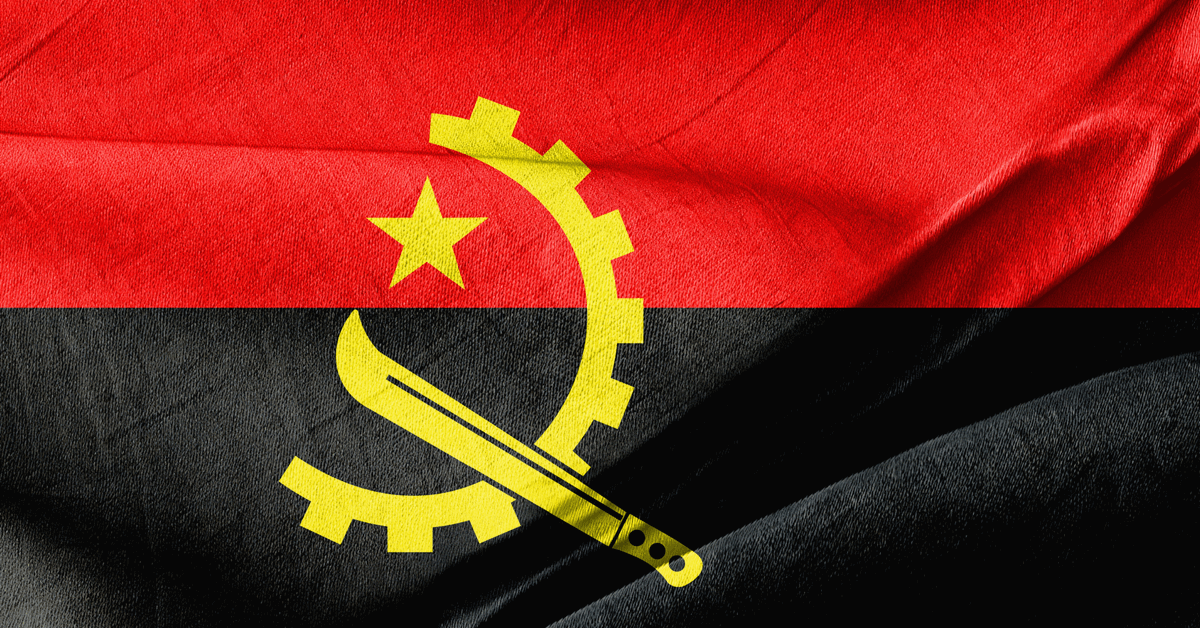
Equinor ASA, Norway’s largest oil and gas producer, appears to be strategically re-evaluating its global footprint, with reports suggesting a potential divestment of several Angolan offshore fields. While a company spokesperson maintains Angola remains a “core country,” the move, if confirmed, aligns with a broader trend of supermajors streamlining their international portfolios. With an equity production in Angola totaling approximately 110,000 barrels of oil equivalent per day (boe/d) in 2024, a significant portion of Equinor’s international output, this potential shift signals a calculated pivot in its long-term investment strategy, prompting investors to scrutinize the implications for both the company and the broader African upstream sector.
Strategic Portfolio Optimization Amidst Price Volatility
Equinor’s reported interest in reducing its Angolan exposure is not an isolated event but rather a continuation of a deliberate strategy to optimize its international portfolio. The company has recently agreed to exit Azerbaijan and Nigeria in 2024 and completed the divestment of its onshore fields in Argentina. This systematic pruning of non-core or higher-risk assets allows Equinor to reallocate capital towards regions offering higher returns, greater stability, and potentially lower carbon intensity. Vice President Philippe Mathieu recently articulated a clear ambition to boost international production to 900,000 boe/d by 2030, up from about 700,000 boe/d in 2025, specifically targeting growth in Brazil, the Gulf of Mexico, the US, and the UK.
This strategic reorientation occurs against a backdrop of fluctuating commodity prices. As of today, Brent Crude trades at $93.92 per barrel, marking a modest daily gain of 0.73%, with WTI Crude at $90.48, up 0.9%. However, this relative stability masks a significant recent correction: Brent has seen a sharp decline of 19.8% over the past 14 days, plummeting from $118.35 on March 31, 2026, to $94.86 on April 20, 2026. Such pronounced price volatility directly impacts the valuation of upstream assets, making divestment timing critical. Higher oil prices can make non-core assets more attractive to potential buyers, but sustained volatility introduces uncertainty, potentially driving majors to solidify their positions in more predictable operating environments.
Angola’s Production Challenges and Investment Outlook
Angola, Africa’s second-largest oil producer, has been grappling with a long-term decline in oil output due to underinvestment and mature fields. The country has set an ambitious target of maintaining production above 1 million barrels a day, a goal that led to its departure from OPEC in 2023 when the cartel insisted on production cuts. For an international major like Equinor, operating in a country actively battling production decline presents a complex challenge. While Angola undoubtedly possesses significant reserves, the capital expenditure required to reverse production trends, coupled with potential fiscal and regulatory uncertainties, might not align with Equinor’s global capital allocation strategy focused on achieving its 2030 production targets in other basins.
The reported divestment, even if partial, suggests a strategic shift away from regions where the long-term growth potential or operational stability may be perceived as less compelling compared to the targeted growth areas like Brazil’s pre-salt fields or the Gulf of Mexico’s deepwater opportunities. This move could also signal a broader reassessment by international oil companies (IOCs) regarding the risk-reward profile of certain African deepwater assets, potentially paving the way for national oil companies or more specialized independents to step in.
Investor Outlook: Navigating Future Oil Price Trajectories
Our proprietary reader intent data reveals a consistent theme among investors: a keen interest in the future direction of oil prices. Questions like “what do you predict the price of oil per barrel will be by end of 2026?” and direct inquiries about “is WTI going up or down” underscore the market’s hunger for clarity. Equinor’s strategic decisions, such as a potential Angola divestment, offer a glimpse into how a major energy company translates its long-term commodity price outlook and regional risk assessments into tangible portfolio actions. By shedding assets in Angola and focusing on growth in regions like the US and Brazil, Equinor is implicitly signaling its conviction about where future value and production stability lie, independent of short-term price fluctuations.
For investors, this provides valuable insight. Companies strategically rebalancing their portfolios often do so based on internal price decks and geopolitical risk assessments that extend beyond daily market movements. Therefore, Equinor’s reported moves can be interpreted not just as an operational adjustment but as a strategic vote of confidence in certain geographies and a re-evaluation of others, influencing how investors perceive the long-term viability and growth prospects of similar assets across the industry.
Upcoming Events to Watch for Market Direction
The immediate future holds several key events that could significantly influence crude price direction and, consequently, the attractiveness and valuation of upstream assets globally. Investors should closely monitor the OPEC+ Joint Ministerial Monitoring Committee (JMMC) Meeting scheduled for April 21, 2026. Any signals regarding future production quotas or adherence to existing cuts will directly impact global supply expectations and crude price stability, potentially affecting the buyer pool for assets like those in Angola.
Furthermore, the EIA Weekly Petroleum Status Reports on April 22 and April 29, 2026, will offer critical insights into US crude inventories, refinery activity, and demand indicators. These weekly snapshots are crucial for gauging immediate market health. Looking further ahead, the EIA Short-Term Energy Outlook on May 2, 2026, will provide a more comprehensive forecast for supply, demand, and prices, offering essential context for long-term investment decisions. Such forward-looking data points are instrumental in shaping investor sentiment and will either validate or challenge the strategic pivots undertaken by companies like Equinor, particularly concerning their exposure to various producing regions and the overall investment thesis for oil and gas upstream.


