The global energy landscape continues its dynamic evolution, and the recent commencement of production at Equinor’s Bacalhau field in Brazil’s ultra-deepwater Santos basin marks a significant milestone for the Norwegian energy major and its partners. This monumental project, representing Equinor’s largest overseas development to date, brings over one billion barrels of oil equivalent in recoverable reserves online, underscoring the long-term strategic vision of major players in an otherwise volatile market. For investors, Bacalhau’s arrival offers a compelling case study in how long-cycle, high-impact projects are positioned to deliver substantial value, even as immediate market signals present a complex picture.
Bacalhau’s Strategic Footprint Amidst Market Fluctuations
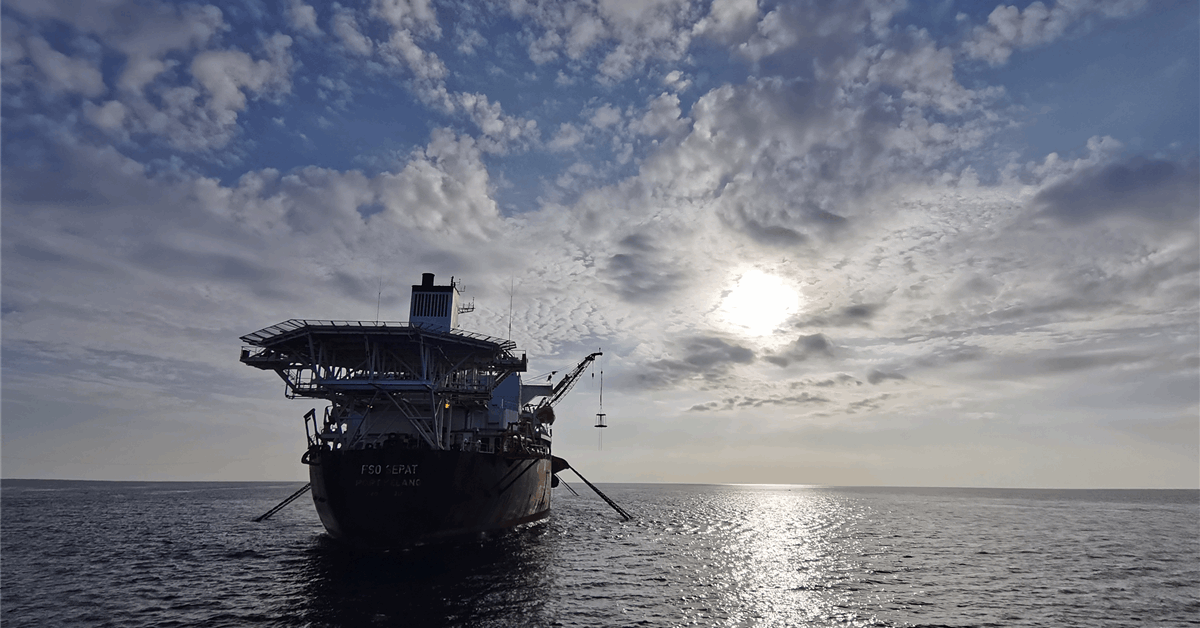
The Bacalhau field, discovered in 2012 and now operated by Equinor with a 40 percent stake alongside Exxon Mobil Corp (40 percent) and Petrogal SA (20 percent), is a testament to the enduring appeal of Brazil’s pre-salt region. Its Phase 1 development includes 19 wells and an advanced floating production, storage and offloading (FPSO) vessel designed to produce up to 220,000 barrels of crude per day, with storage capacity for at least two million barrels. This scale of operation is critical for Equinor, which has explicitly stated that Bacalhau will be a major contributor to its ambitious goal of generating over $5 billion in free cash flow from its international portfolio by 2030.
This long-term perspective is crucial, especially when considering the current market snapshot. As of today, Brent Crude trades at $90.38, reflecting a significant 9.07% decline within the day’s range of $86.08-$98.97. Similarly, WTI Crude stands at $82.59, down 9.41%. Looking back, Brent has seen a nearly 20% depreciation over the past two weeks, dropping from $112.78 on March 30 to its current level. This short-term volatility highlights why investor focus must remain on the fundamental strength and long-term economic viability of such projects. Bacalhau’s 30-year operational life and high production capacity demonstrate a clear conviction from these supermajors that global demand for oil will remain robust for decades, justifying substantial capital expenditure despite immediate price headwinds.
Navigating Supply Dynamics: Bacalhau and Upcoming OPEC+ Decisions
The introduction of 220,000 barrels per day from Bacalhau’s FPSO into the global supply stream is a notable event that will certainly factor into broader market calculations. Investors are keenly watching how new production influences the delicate balance of supply and demand, especially with critical upcoming events on the horizon. This week, the market will turn its attention to the OPEC+ Joint Ministerial Monitoring Committee (JMMC) Meeting on April 19, followed by the full OPEC+ Ministerial Meeting on April 20. These gatherings will determine the future of production quotas and their impact on global oil prices, a topic frequently raised by our readers who are asking about OPEC+’s current production strategies.
While Bacalhau’s output is not directly controlled by OPEC+, its consistent flow adds to the non-OPEC supply narrative, potentially influencing the cartel’s decisions regarding voluntary cuts. Further insights into the immediate market balance will come from the API Weekly Crude Inventory report on April 21 and the EIA Weekly Petroleum Status Report on April 22. These reports, along with the Baker Hughes Rig Count on April 24, will provide crucial data points for investors assessing the impact of new supply sources like Bacalhau against existing demand trends and broader geopolitical factors. The new Brazilian production stream underscores the constant evolution of global supply and the need for investors to stay informed on multiple fronts.
Deepwater Economics and Long-Term Value Creation
Beyond the immediate market impact, Bacalhau represents a significant stride in deepwater economics and sustainable energy production. Equinor’s leadership has positioned this field as a “new generation of projects that bring together scale, cost-efficiency and lower carbon intensity.” With an expected CO2 intensity of approximately nine kilograms per barrel of oil equivalent, achieved through combined-cycle gas turbines and advanced abatement technologies, Bacalhau sets a new benchmark for environmentally conscious deepwater development. This focus on lower emissions is increasingly vital for investors evaluating the long-term resilience and social license to operate for energy assets.
The project’s longevity, projected for 30 years, resonates deeply with investor questions about the future of oil prices. Many readers are asking about predictions for the price of oil per barrel by the end of 2026. While short-term forecasts remain challenging, projects like Bacalhau, with their multi-decade horizons, demonstrate that major operators are making investment decisions based on a sustained outlook for oil demand. The sheer scale of recoverable reserves exceeding one billion barrels of oil equivalent, combined with the project’s designed cost-efficiency, suggests a robust internal rate of return even at more conservative long-term price assumptions. This aligns with Equinor’s strategic objective to strengthen the longevity of its oil and gas production and secure value creation for decades.
Partnership and Operational Excellence: A Model for Future Deepwater Development
The successful launch of Bacalhau also highlights the critical role of strong partnerships and operational expertise in executing mega-projects in challenging ultra-deepwater environments. As the first pre-salt field in Brazil to be developed by an international operator, Equinor’s role as operator is particularly noteworthy. The collaboration with Exxon Mobil and Petrogal SA, bringing together diverse capabilities and capital, is a blueprint for future complex developments. The project also showcases the specialized expertise of MODEC Inc., which deployed one of Brazil’s largest FPSOs and will operate it for the first year before Equinor assumes full operational control.
This phased operational handover, coupled with the intricate engineering required to moor the FPSO in waters approximately 2,050 meters deep, underscores the technical prowess demanded in this sector. For investors, understanding the operational strength and risk management capabilities of the partners involved is as crucial as evaluating the reservoir’s potential. Bacalhau not only promises significant energy output but also delivers substantial economic benefits to Brazil, with projections for creating approximately 50,000 jobs over its lifetime. This comprehensive approach to development, encompassing technical excellence, strategic partnerships, and a commitment to local economic impact, reinforces Bacalhau’s position as a flagship project for the global energy industry.


