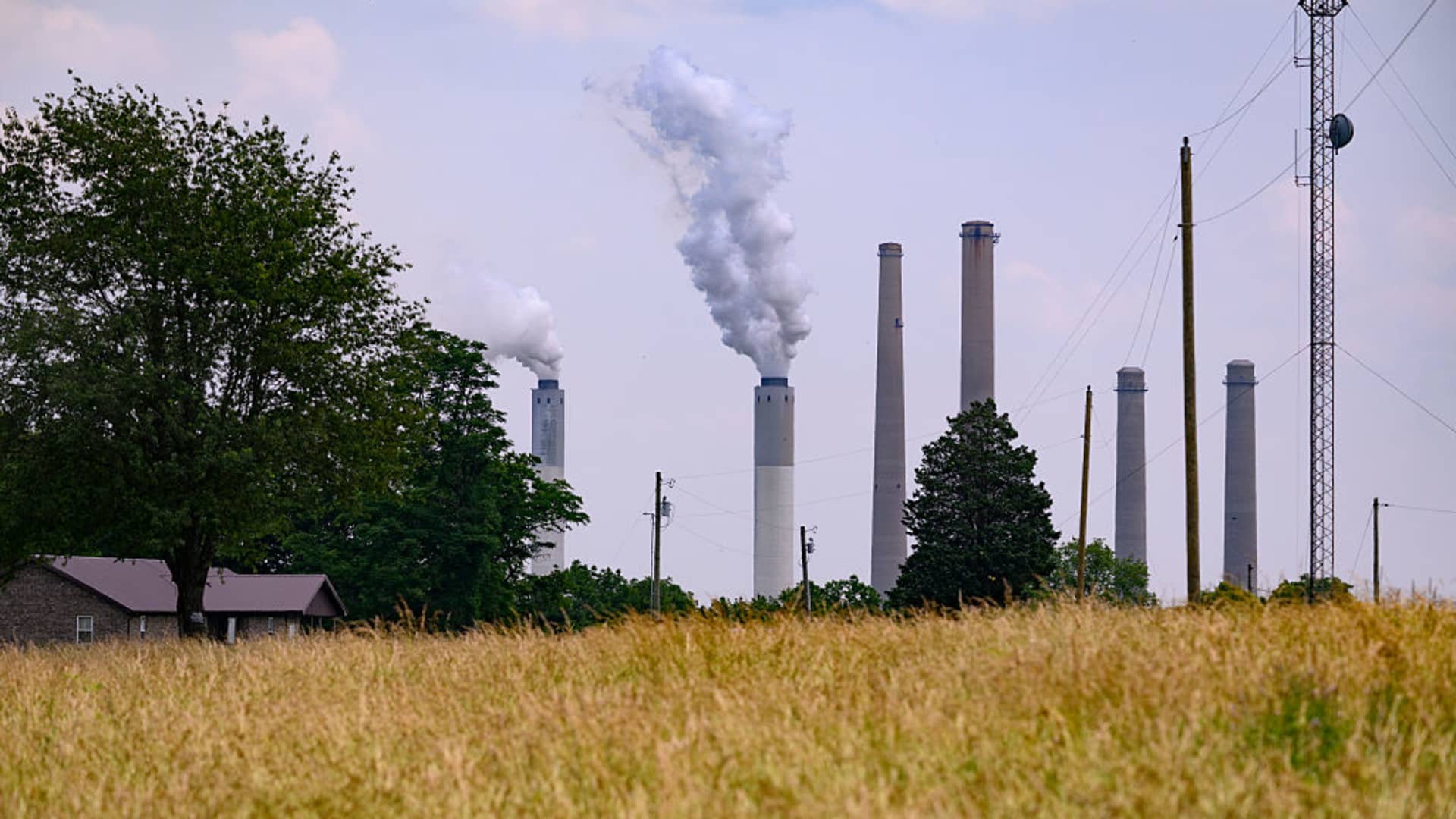
The energy investment landscape is rarely static, but a recent move by the Environmental Protection Agency (EPA) signals a potential tectonic shift in the regulatory environment for hydrocarbon producers. Earlier this week, the EPA announced its intention to repeal a landmark 2009 finding that classified greenhouse gas emissions as a threat to public health. This decision, described by the EPA administrator as “the largest deregulatory action in the history of America,” has profound implications for the oil, natural gas, and coal sectors, promising to reshape the economic calculus for conventional energy projects and potentially alter long-term demand trajectories. For investors closely monitoring the ebb and flow of global energy markets, understanding the ripple effects of this policy reversal is paramount, especially as immediate market volatility continues to challenge short-term outlooks.
The Seismic Shift: Unpacking EPA’s Deregulatory Play
The core of the EPA’s announced action targets the Obama-era endangerment finding, which served as the foundational legal premise for numerous Clean Air Act regulations designed to limit emissions from vehicles and power plants. By moving to repeal this finding, the administration effectively seeks to dismantle the regulatory framework that has guided climate policy for over a decade. This isn’t merely a symbolic gesture; it directly paves the way for the repeal of greenhouse gas emission standards across light-, medium-, and heavy-duty vehicles, a move that could significantly reduce compliance costs and operational hurdles for industries reliant on internal combustion engines and fossil fuels.
This policy pivot aligns squarely with a broader governmental strategy aimed at expanding domestic oil, natural gas, and coal production, while simultaneously curbing the growth of renewable energy and electric vehicle initiatives. It marks a clear departure from previous commitments to combat climate change, echoing the administration’s earlier withdrawal from the Paris Agreement. For investors, this translates into a potentially more favorable operating environment for traditional energy companies, with less regulatory pressure and a policy backdrop supportive of increased hydrocarbon consumption and development. This fundamental shift requires a re-evaluation of long-term investment theses across the energy spectrum.
Market Headwinds Meet Policy Tailwinds: A Price Perspective
While the EPA’s long-term policy direction offers a potential tailwind for hydrocarbon demand, the immediate market picture presents a more challenging scenario. As of today, April 18, 2026, crude benchmarks are experiencing significant downward pressure. Brent Crude is trading at $90.38 per barrel, marking a sharp 9.07% decline today alone, with its day range spanning from $86.08 to $98.97. Similarly, WTI Crude has fallen to $82.59, down 9.41% on the day, moving within a range of $78.97 to $90.34. This acute volatility is not an isolated event; Brent has shed over $20 per barrel, or 18.5%, in just the last 14 days, falling from $112.78 on March 30 to $91.87 yesterday.
This substantial erosion in crude prices, coupled with gasoline trading at $2.93 per gallon (down 5.18%), highlights a short-term market grappling with various supply-demand dynamics and broader macroeconomic concerns. However, the EPA’s deregulation could introduce a crucial counter-narrative. By reducing the regulatory burden on fossil fuel consumption and production, this policy shift could bolster demand for traditional energy sources over the medium to long term. For investors asking about the price of oil per barrel by the end of 2026, this policy move injects a pro-demand factor that could provide a floor or even upward pressure, potentially offsetting some of the current bearish sentiment. It creates a fascinating dichotomy: immediate market weakness against a backdrop of policy-driven demand support.
Navigating the Calendar: Policy Impact Amidst Immediate Catalysts
The long-term implications of the EPA’s action will unfold over time, but investors must also contend with a flurry of immediate market-moving events. This weekend is particularly critical, with the OPEC+ Joint Ministerial Monitoring Committee (JMMC) meeting scheduled for tomorrow, April 18, followed by the full OPEC+ Ministerial Meeting on Sunday, April 19. These gatherings are crucial for determining future production quotas and will undoubtedly set the tone for crude prices in the coming weeks. The outcomes here could either amplify the current market weakness or provide much-needed support, potentially overshadowing the immediate market reaction to the EPA news.
Beyond OPEC+, the energy calendar remains packed. Next week brings the API Weekly Crude Inventory report on Tuesday, April 21, and the EIA Weekly Petroleum Status Report on Wednesday, April 22, both critical indicators of U.S. supply and demand dynamics. These will be followed by the Baker Hughes Rig Count on Friday, April 24, providing insights into drilling activity. These recurring data releases offer granular views into the market’s pulse. For investors seeking to understand OPEC+ current production quotas or gauge short-term supply trends, these upcoming events are non-negotiable. While the EPA’s deregulation provides a structural shift, these calendar events represent the immediate catalysts that will dictate daily market movements and require astute observation.
Investor Outlook: Strategic Implications for Energy Portfolios
The EPA’s initiative to roll back greenhouse gas regulations presents a compelling shift in the investment thesis for various energy sub-sectors. For companies heavily invested in traditional oil, natural gas, and coal, this represents a significant reduction in anticipated compliance costs and a more permissive operating environment. This could translate into improved margins, increased capital allocation towards conventional projects, and potentially higher shareholder returns. Investors who have been asking how specific companies, like a Repsol-type integrated major, might perform, will need to factor in this reduced regulatory burden, which could enhance their profitability and operational flexibility in the coming months and years.
Conversely, the policy move creates new headwinds for the renewable energy and electric vehicle sectors, which have benefited from a regulatory push towards decarbonization. While the fundamental drivers for these industries remain intact, the withdrawal of governmental support and the explicit push for fossil fuels could slow their expansion and alter their competitive landscape. Strategic investors will now need to balance the long-term energy transition narrative with the immediate, tangible benefits afforded to traditional energy players by this deregulatory environment. The clear policy signal from the EPA suggests a prolonged period of support for hydrocarbon-centric investment, urging a careful re-evaluation of portfolio allocations to capitalize on these evolving market dynamics.