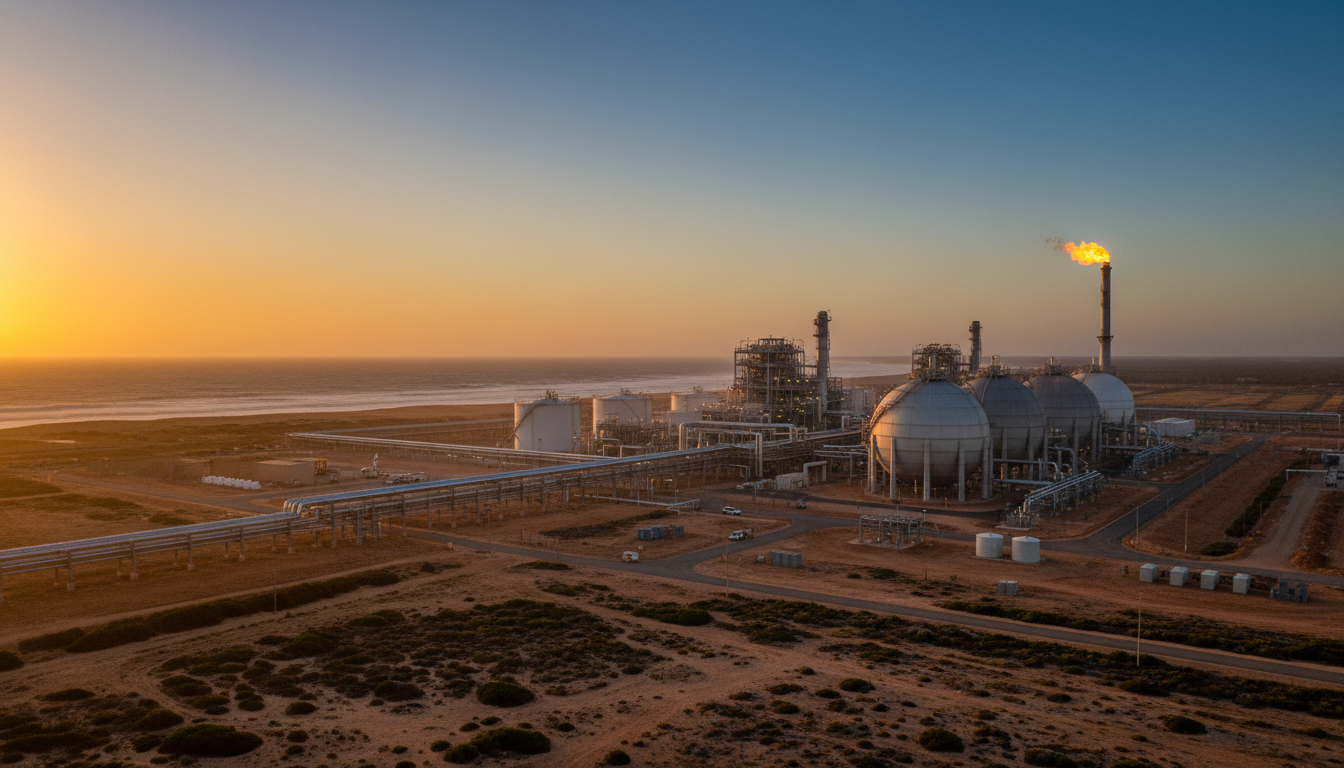
El Niño’s Influence on Australia’s Energy Investment Landscape
The Australian energy market is poised for a significant climatic shift with the confirmed emergence of El Niño, a natural phenomenon historically associated with hotter and drier conditions across the continent. For investors navigating the complexities of oil, gas, and broader energy infrastructure, understanding the direct and indirect implications of this pattern is critical. This analysis delves into how El Niño’s shadow will reshape energy demand, influence commodity prices, and create both challenges and opportunities for strategic positioning in the Australian energy sector, all while considering broader global market dynamics and specific investor concerns.
Immediate Demand Surge: Heat, Drought, and the Grid
Forecasts for the Australian continent from May through July paint a clear picture of climatic deviation: extensive parts of Queensland and New South Wales, alongside northern Victoria, southern South Australia, and south-west Western Australia, are projected to experience significantly lower rainfall. Concurrently, almost the entire nation faces higher than average maximum temperatures, with the bottom two-thirds particularly vulnerable to unusually high heat. This dual threat of heat and drought directly impacts energy consumption patterns, triggering an inevitable surge in electricity demand, primarily driven by residential and commercial cooling systems.
This heightened load on the power grid necessitates greater utilization of dispatchable energy sources. Natural gas and coal-fired power plants will likely see increased operation, especially during peak demand periods, to maintain grid stability. For natural gas producers and infrastructure operators with Australian exposure, this signals a period of robust domestic demand, potentially firming spot prices and reinforcing contractual obligations. Simultaneously, reduced rainfall poses a direct threat to hydropower generation capacity, further solidifying the reliance on thermal alternatives to bridge the supply gap. Investors should closely monitor companies with significant natural gas production or power generation assets in affected regions, as their operational capacity and output will be paramount in meeting this escalating demand.
Global Market Trends and Australian Energy Dynamics
The localized demand surge driven by El Niño in Australia occurs within a dynamic global energy market. As of today, Brent Crude trades at $112, marking a 1.45% increase, while WTI Crude stands at $106.13, up 1.01%. Gasoline prices have also climbed to $3.66, reflecting a 1.11% rise. This upward momentum is clearly visible in the 14-day Brent trend, which has climbed from $99.36 on April 13th to $111.7 by April 30th, representing a robust 12.4% gain. While El Niño’s immediate impact is regional, the increased reliance on natural gas and potentially imported fuels in Australia could contribute to tightening global energy balances, particularly for LNG, and lend support to already buoyant crude prices.
For Australian oil and gas firms, this means operating in an environment where strong domestic demand meets a globally supportive price backdrop. Companies involved in LNG exports might see a strategic pivot, balancing domestic supply commitments against attractive international spot prices. The interplay between local climate-driven demand and broader geopolitical and economic factors impacting global crude and natural gas markets presents a complex yet potentially lucrative scenario for well-positioned energy companies. Investors must evaluate the flexibility and diversification of Australian energy portfolios to capitalize on these converging trends.
Forward-Looking Insights: Navigating Upcoming Data and Investor Queries
OilMarketCap.com’s reader intent data reveals significant investor focus on forecasting crude oil prices, with questions like “Build a base-case Brent price forecast for next quarter” and “2026 weekly trend for crude oil” frequently emerging. The Australian El Niño event adds a unique regional variable to these global models, suggesting sustained demand pressure from a developed economy. This localized factor could contribute to a more bullish outlook for regional natural gas prices and potentially ripple into the broader crude complex, especially if it impacts energy-intensive industries or broadens global temperature anomalies.
Investors will keenly watch key data releases over the next fortnight to refine their forecasts. The Baker Hughes Rig Count, due on May 1st and May 8th, will offer insights into North American supply dynamics. More globally impactful will be the EIA Short-Term Energy Outlook on May 2nd and the IEA Oil Market Report on May 12th, both providing critical perspectives on global supply, demand, and inventory levels. These reports will contextualize the Australian demand surge within the wider energy landscape, helping investors understand if the El Niño effect is a localized blip or a contributing factor to broader market rebalancing. Additionally, the weekly API and EIA petroleum status reports on May 5th/6th and May 12th/13th will provide granular data on inventories, which remain a key driver of short-term price movements. Understanding these upcoming signals in conjunction with the El Niño forecasts is crucial for developing robust investment strategies.
Operational Challenges and Investment Opportunities Ahead
Beyond demand shifts, El Niño introduces operational challenges for energy companies. Reduced rainfall could strain water resources vital for some upstream oil and gas operations, particularly those requiring water for drilling or processing. Heatwaves can also impact infrastructure, leading to potential outages or reduced efficiency for power transmission and distribution networks. Companies with robust operational resilience strategies, including diversified water sourcing or advanced grid management technologies, will be better positioned to mitigate these risks.
However, these challenges also create distinct investment opportunities. Companies specializing in grid modernization, energy storage solutions, or those with significant dispatchable generation capacity stand to benefit from increased demand for energy reliability. Furthermore, the temporary reinforcement of fossil fuel reliance for grid stability in Australia might prompt a re-evaluation of the pace and sequencing of the energy transition in the region, offering a window for sustained investment in traditional energy assets that can provide foundational power. Investors should look for firms with strong balance sheets, proven operational capabilities in challenging climates, and strategic assets that align with Australia’s immediate energy security needs under El Niño’s influence, while also considering their long-term transition strategies.


