The intricate world of global finance and infrastructure investment often collides with the formidable forces of geopolitics. A vivid illustration of this dynamic is the protracted saga surrounding CK Hutchison’s ambitious plan to divest a significant portion of its global ports business. While this particular $23 billion deal, encompassing 43 ports across 23 countries, initially aimed for completion by a July 27 deadline, its journey has been anything but straightforward. Mired in the escalating US-China trade war, the transaction became a battleground for national interests, highlighting the profound challenges investors face when strategic assets intersect with political brinkmanship. This historical case offers invaluable lessons for understanding current market volatility and anticipating future investment landscapes in the energy sector, where the flow of commodities is intrinsically linked to global trade and political stability.
The Enduring Shadow of Geopolitics on Global Trade
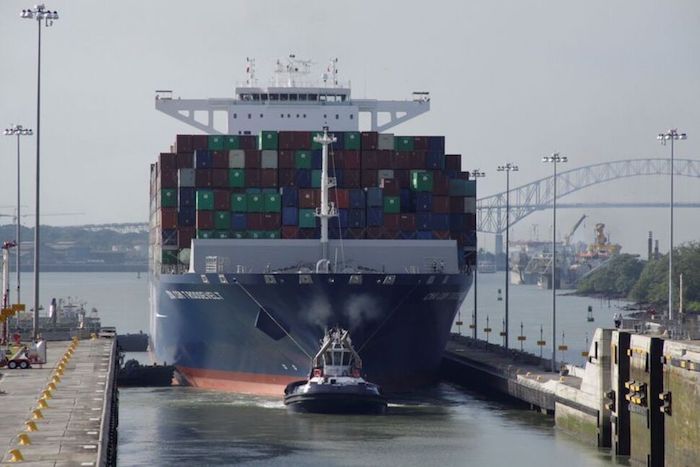
The CK Hutchison ports deal, involving a consortium led by BlackRock and MSC Mediterranean Shipping Company, served as a stark reminder that even purely commercial transactions can be derailed by geopolitical forces. What began as an exclusive negotiation period of 145 days from March, with a projected July 27 close, was quickly entangled in the intricate web of US-China relations. Beijing, citing significant national interests and concerns about antitrust reviews, viewed the potential sale without its substantial input as a “betrayal.” Simultaneously, the US administration under President Trump publicly championed the deal as “reclaiming” critical assets near the Panama Canal, having previously expressed discomfort with Chinese influence in the region. The failure to meet an earlier April 2 deadline for the Panama port operations, alongside the likely extension of the main deal’s exclusive negotiation period, underscored the immense pressure exerted by both Washington and Beijing. This scenario, where state-backed entities like COSCO actively sought veto rights, laid bare the vulnerabilities of global supply chains and critical infrastructure investments to political agendas. For energy investors, this historical precedent emphasizes the need to factor in geopolitical risk as a primary consideration, especially for assets vital to commodity transit.
Crude Prices Amid Geopolitical Crosscurrents
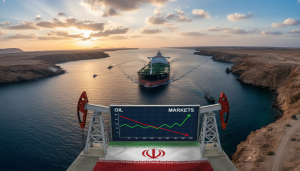
The kind of geopolitical friction exemplified by the CK Hutchison deal, though not directly an oil and gas transaction, inevitably ripples through the broader energy market by signaling systemic instability. As of today, April 18, 2026, the crude market reflects this heightened sensitivity. Brent crude is currently trading at $90.38 per barrel, marking a significant decline of 9.07% within the day, having ranged between $86.08 and $98.97. Similarly, WTI crude stands at $82.59, down 9.41%, with its daily range spanning $78.97 to $90.34. This intraday volatility follows a more pronounced trend over the past fortnight, with Brent crude having fallen from $112.78 on March 30 to $91.87 just yesterday, representing a substantial drop of $20.91, or 18.5%. While CK Hutchison’s shares initially saw a 33% jump post-announcement, the subsequent market digestion of the political roadblocks illustrates that even robust company fundamentals can be overshadowed by macro-level uncertainty. For energy investors, these sharp price movements underscore how global political tensions and the resulting impact on trade sentiment directly influence commodity valuations, demanding agility in portfolio management.
Investor Concerns: Navigating Long-Term Outlooks and Company Resilience
In this turbulent environment, investors are naturally seeking clarity on the future trajectory of the energy market. A common question among our readers this week is, “What do you predict the price of oil per barrel will be by end of 2026?” This inquiry directly reflects the pervasive uncertainty fueled by geopolitical events like the ports deal. The intricate dance between national security interests, global trade, and commercial enterprise makes long-term price forecasting exceptionally challenging. The political interference seen in the CK Hutchison transaction introduces an unpredictable variable into global supply chain efficiency and commodity demand forecasts. Furthermore, questions like, “How well do you think Repsol will end in April 2026?” highlight investor focus on company-specific performance within this complex landscape. Companies operating in the oil and gas sector, particularly those with extensive international operations or reliance on global shipping and port infrastructure, are increasingly exposed to these geopolitical headwinds. Their ability to navigate such intricate political environments, manage supply chain risks, and adapt to shifting trade policies will be critical determinants of their financial performance and investor confidence.
Anticipating Future Catalysts: Upcoming Energy Events and Market Direction
Looking ahead, the energy market will be closely watching a series of upcoming events that will undoubtedly influence crude prices and overall investor sentiment. This weekend, April 18-19, 2026, marks the crucial OPEC+ Joint Ministerial Monitoring Committee (JMMC) and full Ministerial Meetings. Investors are particularly keen to understand “What are OPEC+ current production quotas?” and whether the cartel will adjust its output strategy in response to current market volatility and global demand signals. Any decision from these meetings could serve as a significant catalyst, either stabilizing or further unsettling prices. Beyond OPEC+, the market will process weekly data releases, including the API Weekly Crude Inventory reports on April 21 and 28, followed by the EIA Weekly Petroleum Status Reports on April 22 and 29. These inventory figures offer vital insights into US supply and demand dynamics, which often dictate short-term price movements. Concurrently, the Baker Hughes Rig Count on April 24 and May 1 will provide a gauge of future production trends. Collectively, these events, set against a backdrop of persistent geopolitical complexities, will shape the immediate future for energy investors, emphasizing the need for continuous vigilance and strategic positioning.