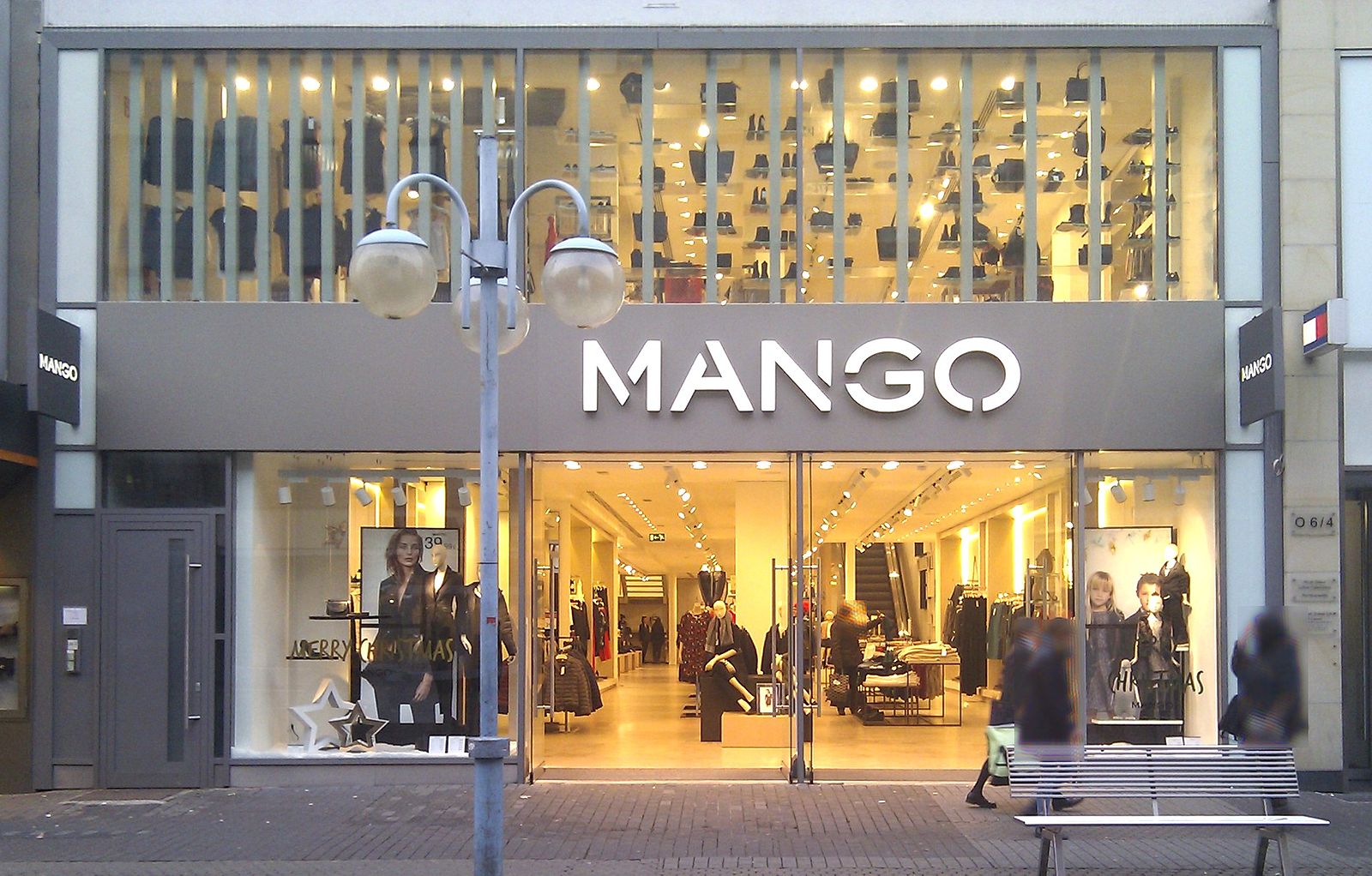
The global textile industry, a massive consumer of raw materials, is undergoing a quiet revolution that carries significant implications for oil and gas investors. While the immediate focus often remains on geopolitical tensions and supply-side dynamics, a burgeoning trend in sustainable fashion, exemplified by the recent partnership between major retailer Mango and material innovator Circulose, signals a potential long-term erosion of demand for virgin petrochemical feedstocks. This shift towards circular design and recycled fibers, initially targeting natural resources like wood pulp, extends its shadow to the vast market for synthetic textiles, a cornerstone of petrochemical consumption. Savvy investors must look beyond the immediate headlines and consider how these seemingly niche innovations could reshape the future demand landscape for crude oil and its derivatives.
The Circulose Disruption: A New Front in Petrochemical Demand Erosion
Mango’s strategic alliance with Circulose, integrating fibers made from 100% recycled cotton-rich textiles, marks a significant milestone in the fashion industry’s pivot towards sustainability. As the first brand to adopt Circulose’s regenerated cotton-based fibers since its restart, Mango is not just burnishing its green credentials; it’s actively pursuing a 2030 goal to exclusively use lower-impact fibers and scale circular design practices. This commitment goes beyond simple optics, aiming to decarbonize its supply chain and enhance circularity across its product lines. While Circulose directly replaces virgin materials like wood pulp and cotton, contributing to a closed-loop system for cellulose-based fibers, its broader impact extends to the entire virgin raw material supply chain. The fashion industry’s drive to reduce its environmental footprint invariably targets all non-renewable inputs, including the vast array of synthetic fibers derived from petroleum.
The regenerated fibers produced from Circulose, such as viscose, lyocell, modal, and acetate, represent a critical category within textiles. While traditionally derived from natural cellulose sources, their processing and the market’s overall move away from “virgin” materials create a ripple effect. Acetate, for instance, requires acetic anhydride, often a petrochemical derivative, in its production. The push for recycled alternatives, even for cellulose, sets a precedent for the increasing scrutiny and eventual replacement of all virgin materials, including the oil-derived polymers that form the backbone of modern apparel. This systemic innovation, driven by consumer demand and corporate sustainability targets, presents a structural challenge to the long-term growth trajectory of petrochemical demand.
Petrochemical Feedstocks Under Pressure: A Long-Term View
The implications of a widespread shift to recycled and lower-impact fibers are profound for the petrochemical sector. Synthetic fibers like polyester, nylon, and acrylic, all derived from crude oil and natural gas feedstocks, currently dominate the global textile market. Polyester, in particular, accounts for a significant portion of all fiber production, making it a critical demand driver for naphtha and other petrochemical precursors. As fashion brands like Mango commit to ambitious sustainability roadmaps, the demand for virgin synthetic fibers will face increasing headwinds. While Circulose directly addresses cellulose-based textiles, the underlying principle of circularity and the replacement of virgin raw materials will inevitably extend to petroleum-derived fibers.
As of today, Brent Crude trades at $94.6, experiencing a modest -0.2% dip within a daily range of $91 to $96.89. This relative stability follows a broader trend where Brent has declined by approximately 8.8% over the past 14 days, moving from $102.22 to $93.22. While these immediate price movements are influenced by a multitude of short-term factors, they belie the brewing structural shifts in demand. Investors focusing solely on current price volatility risk overlooking these gradual but significant erosions in demand. The petrochemical industry, a crucial segment for integrated oil and gas majors, relies on sustained demand for its products. A systemic move away from virgin synthetic fibers, even if gradual, could significantly impact the profitability and long-term capital allocation strategies for petrochemical complexes globally, potentially diminishing the future growth potential of these high-value downstream assets.
Investor Focus: Beyond Short-Term Swings to Structural Shifts
Our proprietary reader intent data reveals a consistent focus this week on building a base-case Brent price forecast for next quarter and understanding the consensus 2026 Brent forecast. While these questions reflect a natural and necessary focus on near-term market dynamics, the emergence of trends like Circulose highlights the critical need for investors to broaden their analytical lens. The fashion industry, often seen as distant from the core energy sector, represents a major end-user market for petrochemicals. A significant shift in this sector towards circularity directly impacts the long-term demand for crude oil derivatives.
As investors prepare for upcoming energy events, such as the Baker Hughes Rig Count on April 17th and 24th, the API Weekly Crude Inventory reports on April 21st and 28th, and critically, the OPEC+ Ministerial Meeting (Full Ministerial) on April 20th, the immediate focus will be on supply-side decisions and inventory levels. These events will undoubtedly influence short-to-medium term crude prices. However, the Circulose example serves as a powerful reminder that while OPEC+ debates production quotas, and EIA reports provide snapshots of supply/demand balances, the underlying drivers of demand are evolving. The gradual but persistent erosion of demand from sectors like fashion, driven by sustainability and circular economy principles, must be factored into any robust long-term Brent price forecast. Ignoring these structural shifts risks miscalculating future demand scenarios and underestimating the transition risks faced by petrochemical-heavy portfolios.
Navigating the Future: Deciphering Evolving Demand Signals
The questions from our readership, particularly those related to understanding Chinese tea-pot refinery runs and Asian LNG spot prices, underscore the complexity of deciphering global energy demand. These granular insights are vital for short-term trading and operational decisions. However, the Circulose-Mango partnership represents a different kind of signal – one that speaks to the fundamental re-evaluation of material sourcing across industries. For oil and gas investors, this means moving beyond traditional supply-demand models that often assume constant growth in petrochemical demand. The “green premium” and regulatory pressures are increasingly pushing industries towards recycled, renewable, and lower-carbon alternatives, directly impacting the market for virgin plastics and fibers.
Investment analysts and portfolio managers must integrate these macro-level shifts into their valuation models. What is the elasticity of demand for virgin petrochemicals in a world increasingly embracing circularity? What is the realistic growth trajectory for petrochemical output if major end-user industries are actively seeking to reduce their reliance on new fossil-derived inputs? The shift towards recycled textiles, while currently a nascent threat, is indicative of a broader trend that will challenge the conventional wisdom regarding long-term petrochemical demand growth. Proactive analysis of these emerging demand-side risks, rather than solely reacting to supply-side catalysts, will be crucial for successful navigation of the evolving energy investment landscape.


