De-Risking the Strait of Hormuz: A Critical Intervention for Global Oil Supply
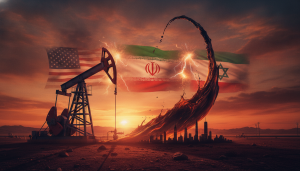
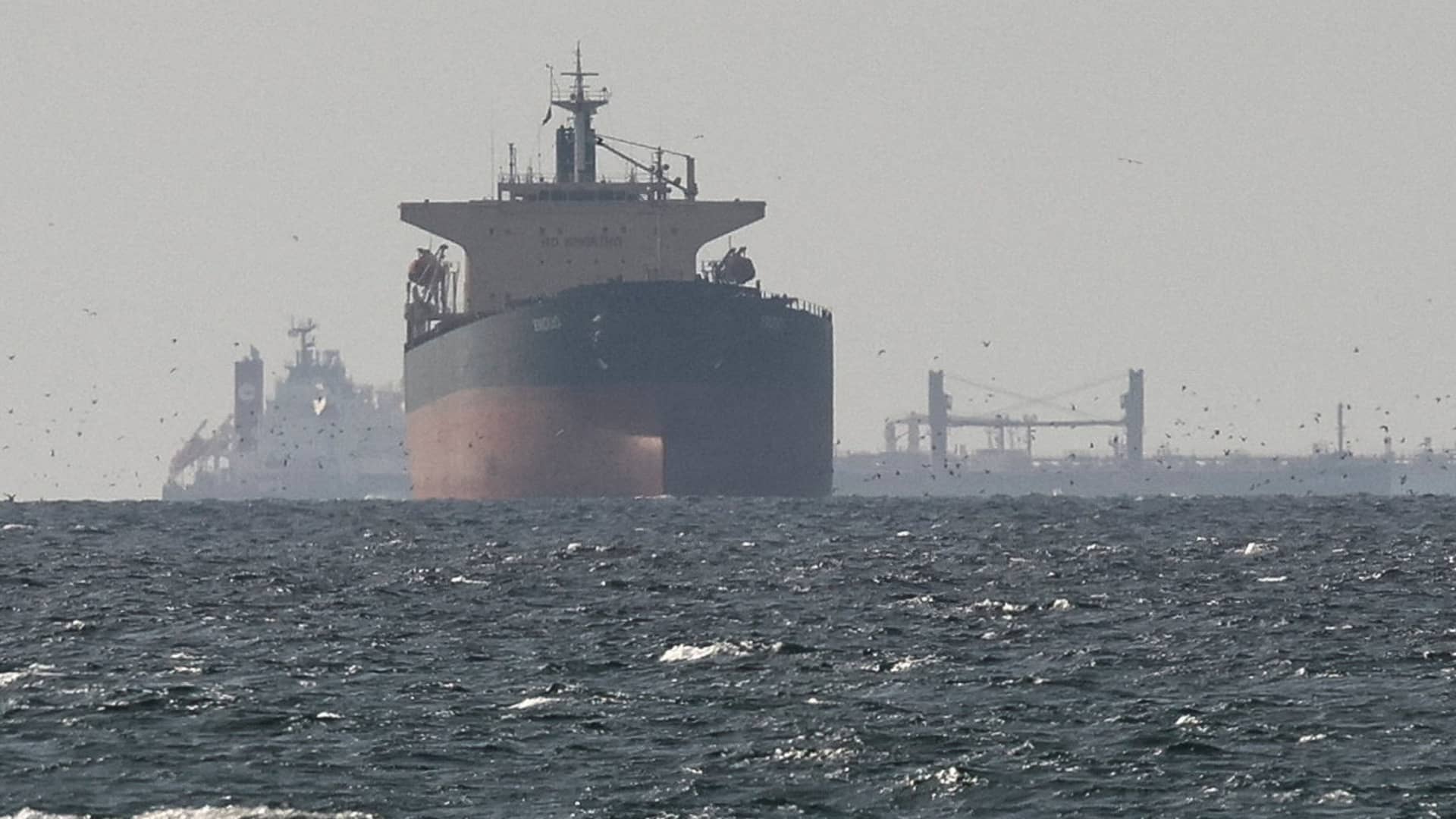
The Strait of Hormuz stands as an indispensable artery for global energy markets, with its consistent flow critical to oil price stability. Recent escalations in the U.S.-Israeli conflict with Iran have severely disrupted this vital chokepoint, leading to a significant pause in oil tanker traffic and heightening geopolitical risk premiums across the energy sector. In response, a major initiative led by the U.S. government’s International Development Finance Corporation (DFC), with insurance giant Chubb as the lead underwriter, aims to inject much-needed stability by providing comprehensive insurance coverage for vessels transiting the strait. This $20 billion program, designed to facilitate the movement of crucial oil and refined products, represents a direct effort to unlock supply and mitigate the severe market uncertainty that has gripped investors. For energy investors, understanding the nuances of this program and its potential impact on supply dynamics and price volatility is paramount.
Market Dynamics and the Price Paradox
The immediate aftermath of the renewed conflict saw a sharp spike in crude oil prices, reflecting the market’s acute sensitivity to supply disruptions from the Middle East. However, as of today, Brent crude trades at $92.86 per barrel, showing a marginal dip of 0.41% within the day’s range of $92.57-$94.21. WTI crude follows a similar trajectory at $89.29, down 0.42% for the session. Gasoline futures, at $3.11, also reflect this tempered sentiment. While the initial war-related anxieties certainly pushed prices higher, our proprietary data indicates a more complex picture. Brent crude has actually seen a notable decline of approximately 7% over the past two weeks, dropping from $101.16 on April 1st to $94.09 on April 21st, and now consolidating around current levels. This downward trend, despite the ongoing risks and the recent announcement of the DFC/Chubb insurance program, suggests that either the market is already pricing in some success for the de-risking initiative, or other demand-side concerns are exerting pressure. The previous announcement of a 400 million barrel strategic petroleum reserve release, though initially having limited impact, might now be contributing to a perception of available supply, tempering what could have been a far more aggressive price surge. The market is clearly weighing the immediate geopolitical threats against potential solutions and broader macroeconomic factors.
Chubb’s Role: Unlocking Trapped Supply and Mitigating Risk
The DFC program, with Chubb at its helm, is a direct response to the “raw” reluctance of ship crews and operators to navigate the Strait of Hormuz. With normal traffic accounting for 15 million barrels per day of oil and another 5 million in other oil products, the stalled flows represent a massive, unfulfilled supply to the global market. Chubb’s role as the lead underwriter is crucial, serving as the central hub for information on ships and cargo, facilitating the direct insurance necessary for shippers. The DFC, in turn, provides $20 billion in reinsurance on a rolling basis, covering war-related costs for eligible vessels, including hulls, machinery, cargo, and importantly, environmental damage cleanup. This comprehensive coverage addresses key concerns previously raised by analysts, who noted the potential for massive environmental liabilities from spills. By providing this crucial financial safety net, the program aims to restore confidence and incentivize the resumption of commercial traffic. For investors, the success of this initiative means a direct easing of supply constraints, potentially reducing the geopolitical risk premium currently embedded in oil prices and fostering greater stability in energy markets.
Navigating Forward: Upcoming Data and the Road Ahead
The true effectiveness of the DFC/Chubb insurance program will unfold in the weeks and months ahead, and investors should closely monitor several key data releases to gauge its impact. The **EIA Weekly Petroleum Status Reports** scheduled for April 29th and May 6th will provide critical insights into U.S. crude oil and refined product inventories. A sustained increase in these inventories could signal that Gulf shipping lanes are indeed normalizing and that previously constrained supply is reaching the market. Conversely, persistent draws would indicate that the program has yet to fully alleviate the supply bottlenecks. Furthermore, the **Baker Hughes Rig Count** on May 1st will offer an update on North American drilling activity, providing a broader look at potential future supply. While not directly tied to Hormuz, a robust rig count can contribute to overall market confidence. Most significantly, the **EIA Short-Term Energy Outlook (STEO)** on May 2nd will present updated projections for global supply and demand balances. This report will be a key indicator of how the DFC/Chubb initiative, and the broader geopolitical landscape, is being factored into official price and production forecasts through the end of 2026. The narrative from these upcoming data points will be instrumental in shaping investor sentiment and oil price trajectories.
Addressing Investor Concerns: Price Direction and Long-Term Outlook
Our proprietary reader intent data highlights a clear investor preoccupation with price direction, with frequent queries such as ‘is WTI going up or down?’ and ‘what do you predict the price of oil per barrel will be by end of 2026?’ The Chubb/DFC program introduces a significant stabilizing factor for short-to-medium term supply, but the answers remain nuanced. In the short term, a successful implementation of this insurance scheme, leading to a consistent resumption of shipping through the Strait of Hormuz, could cap immediate upside potential for crude prices. By de-risking a major supply chokepoint, a significant portion of the geopolitical risk premium could dissipate, potentially leading to some price retreat as the market recalibrates. However, the inherent volatility of the Middle East means any breakdown in the program’s efficacy or renewed attacks could instantly send prices soaring again. The current slight dip in Brent, despite the insurance announcement, suggests the market is not yet fully convinced, or is pricing in other factors. For the long-term outlook towards the end of 2026, the Strait of Hormuz initiative is a targeted solution to a specific operational problem. The overall price trajectory will ultimately depend on broader macroeconomic factors, global demand growth, OPEC+ production policies, and the sustained output from non-OPEC sources like U.S. shale. While the success of this program could establish a precedent for managing critical chokepoint risks, thereby potentially lowering the long-term geopolitical risk premium, its failure would signal persistent, uninsurable instability, likely keeping crude prices elevated. Investors should view this as a crucial battle for supply stability, not a definitive solution to all market fundamentals.