The global energy landscape is undergoing a significant strategic realignment, with China’s escalating engagement with Russia’s sanctioned Arctic LNG 2 project signaling a bold defiance of Western economic pressures. This burgeoning energy trade relationship challenges the efficacy of existing sanctions regimes and introduces new complexities for investors navigating international oil and gas markets. The recent surge in liquefied natural gas (LNG) cargoes from this once-stalled Russian facility to Chinese terminals highlights not just a bilateral energy deal, but a profound geopolitical maneuver that warrants close attention from anyone vested in the future of global energy supply and demand dynamics.
The Geopolitical Chessboard: Arctic LNG 2’s Re-emergence
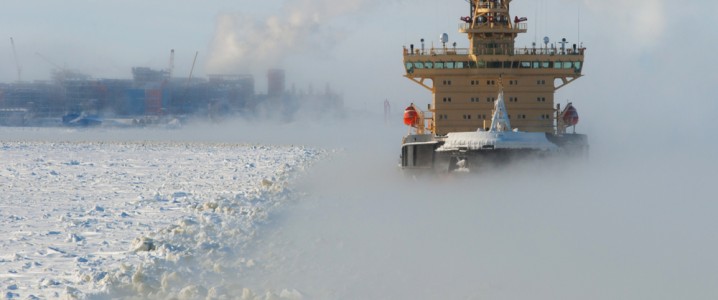
The commencement of regular LNG exports from the Arctic LNG 2 project marks a pivotal moment, underscoring the resilience of Russia’s energy export ambitions despite stringent international sanctions. Our tracking indicates that a fourth cargo, comprising approximately 166,000 cubic meters of LNG, arrived at China’s Beihai LNG Terminal on September 12 aboard the sanctioned Russian tanker “Buran.” This shipment, loaded from the Arctic facility on August 22 and discharged days later, is part of a series of deliveries that began this summer. For over a year, the flagship Arctic LNG 2 project had struggled to initiate operations due to U.S., EU, and UK sanctions, which also targeted many of the specialized vessels intended to service its output. However, the project has demonstrably overcome these hurdles, with the “Arctic Mulan” tanker delivering the first-ever cargo to a Chinese import terminal at the end of August, and a fifth cargo now reportedly en route. This consistent flow signals a strategic pivot by both Beijing and Moscow, directly challenging Western efforts to isolate Russia’s energy sector and creating new pathways for energy trade outside traditional frameworks.
Market Volatility and Investor Sentiment: A Shifting Landscape
The re-activation of a major Russian LNG export facility, even under sanction, sends ripples through global energy markets, influencing investor sentiment and contributing to volatility. As of today, Brent crude trades at $98.17, reflecting a 1.23% decline, while West Texas Intermediate (WTI) sits at $89.74, down 1.57%. This recent softness is part of a broader trend, with Brent having moved from $112.57 just two weeks ago to $98.57 yesterday, representing a significant 12.4% drop. While multiple factors contribute to these price movements, the implicit message from China’s acceptance of sanctioned Russian LNG is that global supply permutations are more fluid than geopolitical rhetoric might suggest. For energy investors, this situation introduces an additional layer of complexity, demanding a nuanced understanding of how such “shadow” supply chains could impact global gas balances and, by extension, crude oil markets. The successful navigation of sanctions by Arctic LNG 2 suggests that geopolitical risk premiums on Russian assets might be re-evaluated, potentially altering the perceived risk-reward profile for certain energy plays.
Navigating Future Supply Dynamics: Ahead of Key OPEC+ Decisions
The timing of China’s escalated LNG imports from the Arctic LNG 2 project adds a critical dimension to the upcoming energy calendar. With the OPEC+ Joint Ministerial Monitoring Committee (JMMC) meeting slated for April 18, followed by the Full Ministerial meeting on April 20, the re-emergence of this Russian supply stream will undoubtedly be a silent, yet significant, factor in deliberations. While OPEC+ primarily focuses on crude oil production quotas, the broader geopolitical context and the global energy supply picture heavily influence their decisions. The ability of Russia to circumvent sanctions through strategic partnerships with major energy consumers like China could impact the perception of overall global energy supply adequacy. Investors must consider how this new, albeit politically charged, supply could influence OPEC+’s assessment of market stability and their willingness to adjust output levels. Beyond OPEC+, other key indicators such as the Baker Hughes Rig Count on April 17 and April 24, and the weekly API and EIA inventory reports on April 21/22 and April 28/29, will continue to provide vital snapshots of the market, which investors will scrutinize in light of these evolving geopolitical supply dynamics.
Investor Questions: Demanding Transparency in a Complex Market
Our proprietary reader intent data reveals a consistent theme among energy investors: a strong demand for clarity and reliable information in an increasingly opaque market. Queries such as “What are OPEC+ current production quotas?” and “What is the current Brent crude price and what model powers this response?” underscore a fundamental need for transparent, data-driven insights. The situation surrounding China’s embrace of Arctic LNG 2 directly feeds into this demand for transparency. When a major energy project, previously hampered by sanctions, begins exporting significant volumes through unconventional channels, it creates uncertainty about true global supply figures. Investors are not just asking about headline prices; they are seeking to understand the underlying mechanisms and data sources that power market responses, particularly when geopolitical actions introduce new variables. The challenge for today’s investor is to cut through the geopolitical rhetoric and identify genuine market signals amidst politically motivated supply shifts. The re-emergence of Arctic LNG 2 reinforces the critical importance of independent, data-driven analysis to accurately assess global energy supply, demand, and the associated investment risks.


