The global energy landscape is undergoing a profound transformation, marked not only by the accelerating shift towards cleaner sources but also by a sharpening geopolitical contest over the raw materials essential for this transition. China’s recent response to the U.S.-Australia critical minerals deal, emphasizing the “proactive role” of resource-rich nations in stabilizing supply chains, casts a stark light on the strategic importance of rare earth elements. For oil and gas investors, understanding this evolving dynamic is crucial, as the security of critical mineral supply chains directly impacts the viability and cost of future energy technologies, influencing long-term capital flows and market stability.
The Geopolitical Chessboard of Critical Minerals
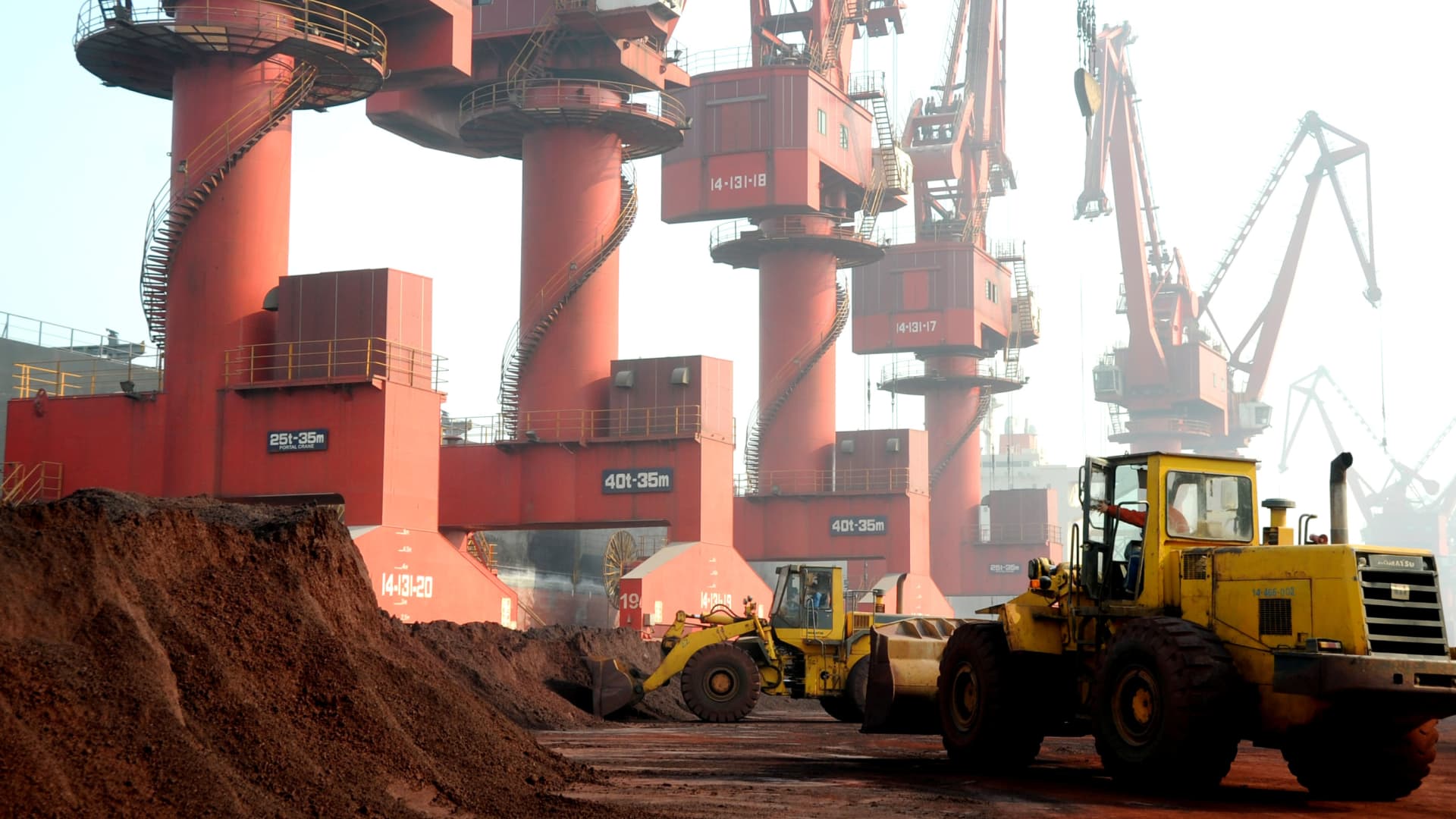
The recent agreement between the U.S. and Australia, framed as an $8.5 billion framework deal to bolster critical minerals supply, represents a significant move to counter Beijing’s dominance in this vital sector. Signed by U.S. President Donald Trump and Australian Prime Minister Anthony Albanese on October 20, 2025, this pact aims to diversify sources for rare earths and other essential minerals. These materials are indispensable for a vast array of modern technologies, from electric vehicles and wind turbines to advanced semiconductors and defense systems. China’s Ministry of Foreign Affairs spokesperson, Guo Jiakun, responded by asserting that “resource-rich nations with critical minerals should play a proactive role in safeguarding the security and stability of the industrial and supply chains.” This statement follows China’s earlier imposition of more stringent export controls on rare earths and related technologies, measures that have already raised alarms within Western automotive industry groups regarding potential supply chain disruptions. Beijing’s strategic moves underscore its leverage, controlling approximately 60% of the world’s rare earth minerals production, a position U.S. officials have long identified as a strategic vulnerability for the global energy transition.
Market Volatility Amidst the Raw Material Scramble
The intensifying competition for critical minerals unfolds against a backdrop of significant volatility in traditional energy markets. As of today, April 19, 2026, Brent crude trades at $90.38 per barrel, marking a sharp 9.07% decline within the day, while WTI crude sits at $82.59, down 9.41% from its daily high. This recent market turbulence reflects broader economic uncertainties and evolving supply-demand dynamics. Looking at the 14-day trend, Brent has seen a notable drop of $22.40, or nearly 20%, from $112.78 on March 30, 2026, to its current price. While these price movements are primarily driven by oil and gas fundamentals, they highlight the broader instability in the energy sector as the world navigates the transition. The exponential growth in demand for rare earths and critical minerals, propelled by the clean energy transition, creates a parallel, yet equally impactful, layer of market risk. The cost and availability of these raw materials will increasingly influence the profitability and deployment speed of renewable energy projects, indirectly affecting long-term demand projections for fossil fuels. Investors must recognize that the pricing of gasoline, currently at $2.93 per gallon and down 5.18% today, is not just a function of crude oil, but also influenced by refinery capacities and the gradual, but persistent, shift towards electric vehicles, which are heavily reliant on critical minerals.
Investor Focus: Oil Prices, OPEC+ and the Minerals Equation
Our proprietary investor intent data reveals a keen interest in the trajectory of oil prices and the strategic decisions of major producers. Investors are actively asking about predictions for oil prices per barrel by the end of 2026 and seeking clarity on OPEC+ current production quotas. These questions underscore the immediate concerns about market stability and supply management. However, the critical minerals narrative introduces a powerful, long-term variable into this equation. George Cheveley, a natural resources portfolio manager at Ninety One, aptly described the rare earths sector as “very small” yet “politicized,” with government capital acting as a subsidy. This underscores that investment in the critical minerals space is heavily influenced by geopolitical considerations rather than pure market forces alone. For oil and gas investors, understanding the critical minerals supply chain is not merely about diversifying portfolios into mining; it is about assessing the foundational stability of the energy transition itself. Disruptions in rare earth supplies could slow the adoption of EVs and renewable energy infrastructure, potentially extending the dominance of traditional fuels or shifting investment priorities within the energy complex. The interplay between OPEC+ decisions on oil supply and the geopolitical maneuvering over critical minerals will shape the overall energy investment landscape for years to come.
Navigating Upcoming Catalysts and Supply Chain Resilience
The immediate horizon for energy investors is dotted with critical events that will influence short-term market dynamics. The OPEC+ Joint Ministerial Monitoring Committee (JMMC) Meeting today, April 19, 2026, followed by the full OPEC+ Ministerial Meeting on April 20, are pivotal for understanding crude supply strategies. These will be closely followed by the API Weekly Crude Inventory report on April 21 and the EIA Weekly Petroleum Status Report on April 22, providing crucial insights into U.S. stock levels and demand. While these events dictate immediate price action for Brent and WTI, the long-term strategic game continues to unfold in the critical minerals sector. The $8.5 billion U.S.-Australia agreement is a forward-looking initiative designed to build supply chain resilience outside China. This effort, alongside other similar bilateral and multilateral initiatives, aims to de-risk the clean energy transition by ensuring stable access to essential materials. However, the success of these initiatives will depend on sustained investment, technological innovation in extraction and processing, and the ability to navigate complex geopolitical pressures. Investors must look beyond immediate oil price forecasts and consider the fundamental shifts in resource dependency. The ability of nations to secure critical mineral supplies will not only shape the pace of the energy transition but also profoundly impact the long-term investment attractiveness of various segments within the broader energy and industrial sectors.