China’s Solar Hits 1TW: O&G Demand Pressure Mounts
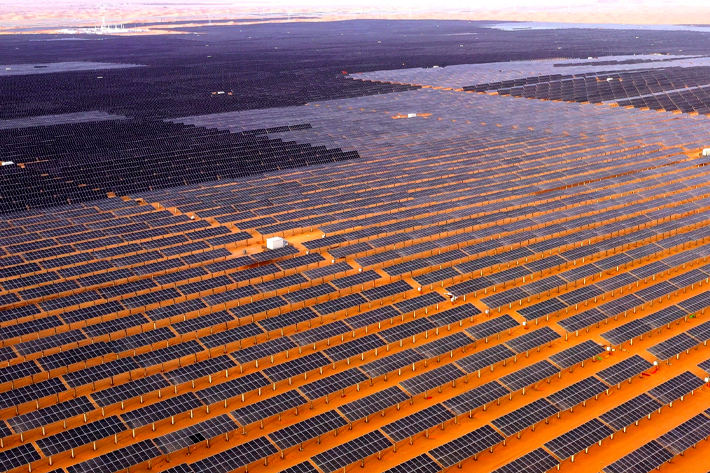
China’s recent achievement of crossing the 1 terawatt (TW) threshold in cumulative solar power capacity marks a pivotal moment for global energy markets. With installations reaching 1.08 TW by the end of May 2025, and a staggering 92.92 GW added in May alone – reportedly the highest monthly addition ever – Beijing’s commitment to renewable energy is undeniable. This monumental build-out, driven by both ambitious policy and a strategic push for energy self-sufficiency, sends a clear signal to oil and gas investors: a structural headwind to demand growth is intensifying, requiring a recalibration of long-term investment theses. While the immediate impacts are nuanced, the trajectory points towards sustained pressure on traditional hydrocarbon markets, particularly as electrification gains further momentum across the world’s largest energy consumer.
The Unmistakable Shift in China’s Energy Mix and Its Demand Implications
The sheer scale of China’s solar expansion is transformative. At 1.08 TW, solar now constitutes a significant portion of the nation’s total power generation capacity, which reached 3.61 TW at the end of May, an impressive 19% increase year-on-year. This surge, seeing 197.85 GW of new solar installations in the first five months of the year, reflects not just a commitment to green energy but also a strategic acceleration ahead of anticipated policy shifts later in 2025. For oil and gas investors, this rapid deployment has multifaceted implications. While solar primarily displaces coal in power generation, the broader electrification trend fostered by China’s clean tech manufacturing boom, spanning electric vehicles and high-speed rail, directly impacts refined product demand. As of today, Brent crude trades at $95.8, posting a modest 1.07% gain for the day, while WTI crude sits at $92.9, up 1.77%. These daily movements offer a snapshot of short-term volatility, but they contrast sharply with the broader trend: Brent has seen an 8.8% decline over the past 14 days, falling from $102.22 to $93.22. This persistent downward pressure on crude prices suggests that while immediate supply concerns or geopolitical events can cause price spikes, underlying structural demand shifts, significantly influenced by China’s accelerating energy transition, are creating a more cautious market outlook.
Geopolitical Imperatives and Economic Tailwinds Driving Beijing’s Green Revolution
China’s aggressive pivot to renewable energy is not solely an environmental endeavor; it’s deeply rooted in national security and economic strategy. President Xi Jinping’s long-standing directive to “revolutionize” the country’s energy system, initiated over a decade ago, stems from a recognition of the national security vulnerability posed by dependence on imported oil and coal, particularly through chokepoints like the Malacca Strait. This strategic imperative has fueled hundreds of billions of dollars in investment into the national power grid and clean technologies, supported by both state-backed developers and private enterprises. The result has been a robust domestic manufacturing base for solar panels, wind turbines, electric vehicles, and high-speed trains, which collectively now account for approximately 10% of China’s Gross Domestic Product. This clean energy sector has emerged as a crucial engine for economic growth, providing a vital counterbalance to slowdowns in other traditional industries. Investors are actively seeking to understand these long-term drivers; indeed, a common query among our readers this week revolves around building a base-case Brent price forecast for the next quarter, while others are asking how Chinese tea-pot refineries are performing. The answer to both is increasingly intertwined with Beijing’s strategic energy planning. The relentless solar build-out, while aiming for self-sufficiency and economic stimulus, inherently places a ceiling on the growth potential of traditional fuel imports, directly influencing both future crude demand and the operational dynamics of independent refiners.
The Paradox of China’s Energy Transition: Clean Growth Meets Persistent Fossil Fuel Reliance
While China’s renewable energy achievements are staggering, the nation’s energy transition is not without its complexities and paradoxes. Despite leading the world in solar deployment, China continues to build a significant number of new coal-fired power plants, reportedly the most in a decade. This dual-track approach highlights the immense challenge of powering a rapidly growing economy while simultaneously decarbonizing. The country’s overall energy demand continues to expand, and coal still provides crucial baseload power, especially given the intermittency of renewables and the need for grid stability, a requirement often amplified by extreme weather events. This situation creates a nuanced picture for oil and gas markets. While solar capacity growth directly pressures coal demand, the broader electrification efforts, fueled by this clean energy expansion, will gradually erode the growth potential for oil products in transportation and industrial sectors. However, the sheer scale of China’s energy needs means that even with unprecedented renewable growth, fossil fuels will likely remain a critical component of its energy mix for the foreseeable future, albeit with a shifting proportional demand. Furthermore, the aggressive state-backed development of clean energy has led to significant overcapacity in sectors like solar panel manufacturing, creating intense domestic competition and pushing down global prices, which paradoxically could accelerate renewable adoption worldwide, further pressuring long-term fossil fuel demand.
Strategic Outlook for Oil & Gas Investors: Navigating Upcoming Market Signals
For oil and gas investors, China’s 1TW solar milestone is a potent reminder of the structural shifts underway in global energy demand. While short-term supply dynamics and geopolitical events will continue to drive price volatility, the long-term trajectory of demand growth, particularly from key Asian economies, is increasingly being challenged by robust renewable deployment. As we look ahead, the coming weeks present several crucial data points that will further shape the investment landscape. Investors will closely monitor the OPEC+ Joint Ministerial Monitoring Committee (JMMC) meeting scheduled for April 18th, followed by the full Ministerial meeting on April 20th. These gatherings are critical for understanding potential supply adjustments in response to evolving global demand signals, including those emanating from China’s aggressive energy transition policies. Further insights into U.S. supply dynamics will come from the Baker Hughes Rig Count reports on April 17th and 24th, while the API and EIA weekly inventory reports (April 21st/22nd and April 28th/29th) will provide granular detail on crude and product stock levels, offering immediate indicators of demand health. For investors currently asking about the consensus 2026 Brent forecast or a base-case price for the next quarter, these upcoming events must be interpreted through the lens of China’s enduring commitment to energy independence via renewables. The market will continue to balance immediate supply-side pressures with the compounding, long-term impact of a cleaner, more electrified Chinese economy on global oil and gas demand growth.